

Hey there! As a rubber stopper supplier, I've seen firsthand the diverse applications of rubber stoppers across various industries. Today, I want to dive into one particular area that might not be as obvious at first glance: the leather industry. You might be wondering, "What on earth do rubber stoppers have to do with leather?" Well, stick around, and I'll break it down for you.
1. Leather Tanning and Dyeing Processes
Leather tanning is a crucial step in transforming raw animal hides into usable leather. During this process, chemicals are used to preserve the leather and give it the desired properties. Rubber stoppers play a vital role in this stage, especially in small - scale tanning operations or in research and development settings.
In laboratory - style tanning setups, containers holding tanning solutions need to be sealed properly. Rubber stoppers provide an air - tight and liquid - tight seal, preventing the evaporation of volatile chemicals and the entry of contaminants. For example, when testing new tanning formulas, researchers use small glass containers with Rubber Stopper 32mm to ensure that the chemical reactions occur under controlled conditions. This helps in achieving consistent results and developing high - quality tanning agents.
Similarly, in the dyeing process of leather, rubber stoppers are used to seal dye baths. Leather dyeing requires precise control of the dye concentration and temperature. A well - sealed container with a rubber stopper helps maintain the stability of the dye solution. This is particularly important for achieving uniform color distribution on the leather surface. The rubber stoppers prevent the dye from evaporating or getting contaminated, which could lead to uneven coloring or other quality issues.
2. Leather Testing and Quality Control
Quality control is a non - negotiable aspect of the leather industry. Various tests are conducted on leather samples to assess their physical and chemical properties. Rubber stoppers come in handy during these tests.
For instance, when testing the moisture content of leather, samples are often placed in sealed containers. A Mini Rubber Stopper can be used to seal small vials or test tubes containing leather specimens. This ensures that the moisture level inside the container remains constant during the testing period, allowing for accurate measurements. If the container is not properly sealed, moisture can escape or enter, leading to inaccurate test results.
In chemical analysis of leather, such as testing for the presence of heavy metals or other contaminants, rubber stoppers are used to seal sample containers. These stoppers prevent the sample from reacting with the outside environment and protect the integrity of the test. For example, in a laboratory where gas chromatography or mass spectrometry is used to analyze leather samples, rubber stoppers are essential for sealing the sample vials before they are introduced into the analytical instruments.
3. Leather Finishing and Coating
Leather finishing is the final step in the leather production process, where a protective coating is applied to enhance the appearance and durability of the leather. Rubber stoppers are involved in this stage as well.
In the storage and handling of leather finishing agents, rubber stoppers are used to seal the containers. These agents often contain solvents and other chemicals that need to be stored in a sealed environment to prevent evaporation and degradation. A Rubber Stopper for Injection can be used for larger containers of finishing agents, ensuring a tight seal and maintaining the quality of the product.
When applying the finishing agents, small - scale applicators or test equipment may also use rubber stoppers. For example, in a pilot - scale production of leather goods, a small container with a rubber stopper can be used to hold a small amount of finishing agent for testing on a leather sample. This allows for precise control of the application process and helps in determining the optimal amount of finishing agent required for different types of leather.
4. Leather Packaging and Transportation
Once the leather products are ready, they need to be packaged and transported to the market. Rubber stoppers can also play a role in this stage.
In some cases, leather products may be treated with preservatives or protective agents before packaging. These agents are often stored in small containers sealed with rubber stoppers. For example, a small bottle of leather conditioner may have a rubber stopper to prevent leakage during transportation.
Moreover, in the packaging of high - end leather goods, rubber stoppers can be used as part of the packaging design. They can add a touch of elegance and functionality. For example, a leather wallet may come with a small vial of leather polish sealed with a rubber stopper, providing a convenient and stylish way for the customer to maintain the quality of the wallet.
Why Choose Our Rubber Stoppers?
As a rubber stopper supplier, we understand the unique requirements of the leather industry. Our rubber stoppers are made from high - quality materials that are resistant to chemicals commonly used in leather processing. They provide a reliable seal, whether it's for a small test tube or a large container.
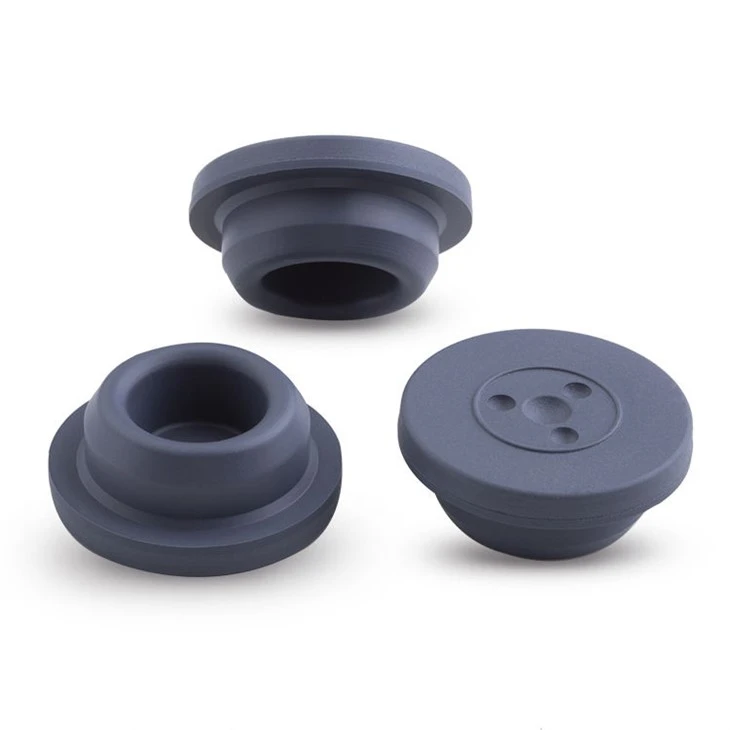
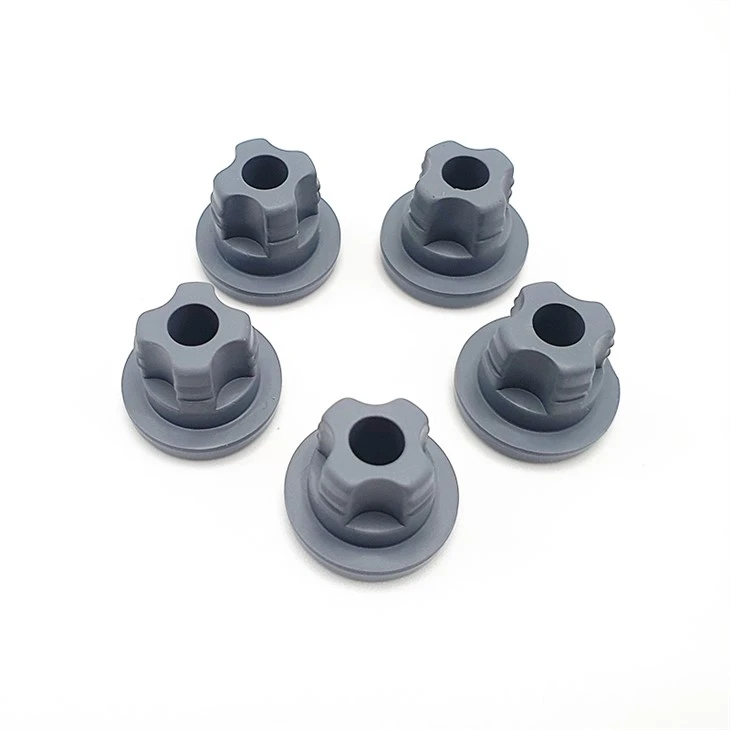
We offer a wide range of sizes and types of rubber stoppers, including the Rubber Stopper 32mm, Rubber Stopper for Injection, and Mini Rubber Stopper. Our products are also customizable to meet your specific needs. Whether you need a special shape, color, or hardness, we can work with you to create the perfect rubber stoppers for your leather - related applications.
If you're in the leather industry and looking for high - quality rubber stoppers, we'd love to hear from you. Contact us to discuss your requirements and explore how our rubber stoppers can enhance your leather production process.
References
- "The Chemistry of Leather Manufacture" by George Edward Davis.
- "Leather Technology Handbook" edited by R. R. Patel.
- Various industry reports on leather production and quality control.