


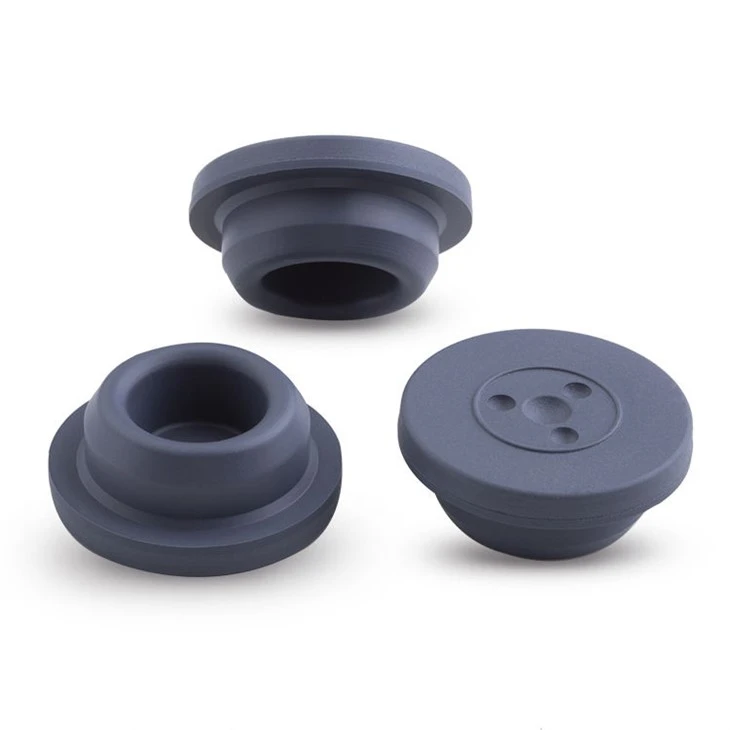
Your Professional Pharmaceutical Rubber Stopper Manufacturer in China!
Xinxiang Hongfu Bottle Cap Manufacturing Co., Ltd. was established in 2008 with a registered capital of 5 million yuan. In 2013, we were the first in the industry to adopt new production technology, successfully passed inspections from the State Food and Drug Administration twice, and obtained GMP pharmaceutical packaging material certificates. We provide customers in the pharmaceutical and cosmetics industries with high-quality products, including aluminum caps, aluminum-plastic caps, medical glass bottles, and butyl rubber stoppers.
Why Choose Us
Diverse products
Our company has a wide range of products, mainly producing various aluminum plastic caps for antibiotic bottles, oral liquid bottle caps, easy-pierce aluminum caps for oral liquid bottles, various anti-theft aluminum caps, rubber stoppers, medical glass bottles, etc.
Advanced equipment
The fully automatic rivet filling and testing all-in-one machine we own is currently the most advanced production equipment in the industry. From bottle cap riveting, filling, computer detection, counting, the process is completed in one go, significantly improving product quality and efficiency. The production line has a production capacity of 60,000 to 80,000 pieces per hour, and the product qualification rate is 100%.
Broad market
50% of our products are sold domestically, and 50% are exported to more than 20 countries including Southeast Asia, Europe, North America, and South America.
Excellent service
We have 12 hours of online customer service every day to answer your questions about the product. If you have any questions within 7 days of receiving the goods, please contact us and we will compensate or resend. Our customer service will also follow up on product usage.

Chlorobutyl rubber stoppers are a type of closure system used in pharmaceutical packaging. They are made from chlorinated butyl rubber, which is a synthetic elastomer. This material offers excellent resistance to moisture, gas permeability, and chemical stability, making it ideal for sealing containers.

Rubber vial stoppers allow easy access to drugs contained in glass medication vials, as they can be readily punctured through with a needle or a cannula. In hospitals in general and in intensive care units in particular, the great use of injectable drugs packaged in glass vials with rubber stoppers means that such a practice is very common.

Butyl rubber stopper is obtained by co-polymerization of isobutylene and isoprene, which come from petroleum. It has a very good impermeability to gas and steam, good resistance to oxidization, ozone, acid and base but poor mechanical properties. Butyl stoppers are therefore used for packing very high hygroscopic powders or lyophilized products or highly oxidizable items. Occasionally, it is used for some applications, such as syringe plungers and droppers.

A vial rubber stopper 13 mm used on a vial serves several critical functions, and its design and composition are carefully chosen to ensure the safe and effective storage and transportation of various substances, particularly in the fields of chemistry, pharmacy, and laboratory work.

Antibiotic Glass Vial Butyl Rubber Stopper
The existing medical stopper is used, it is very broad. When use, because of the shaking shock in the process of transportation or touch may cause in the process of filling the stopper falls off, at this point that is stored in the bottle of antibiotics will be bacterial contamination of the outside world, lead to a serious medical accident, and the waste of medical resources, therefore, we need to use antibiotics use antibiotic glass vial butyl rubber stopper.

Infusion rubber stoppers are designed for infusion bottles and provide optimal protection and drug delivery. Infusion rubber stoppers can be used under strong acid and alkali with a good self-sealing property and low fragmentation character. It has a wide application range includes sodium chloride injection, glucose injection and various transfusion drug.

In recent years, there has been a growing demand for pharmaceutical rubber stoppers in the healthcare industry. These stoppers are used in the production of various medical products and devices, such as syringes, vials, and IV bags.

The 20mm rubber stopper is a wonderful invention that has revolutionized the way we package and store liquid medicines. It is a small yet mighty tool that ensures the integrity of medications and helps keep them safe from contamination.

The 26mm Rubber Stoppers have numerous applications in various industries ranging from pharmaceuticals to chemistry and food. These stoppers are designed for a tight fit and provide a secure seal, which makes them ideal for laboratory or industrial use.

Pharmaceutical rubber stopper, correctly called 'rubber stoppers', are clearly different from common rubber products for industrial and domestic use. They are used not just to seal the container, but also to perfectly isolate the medicine, ensuring sterility and preventing any form of contamination. Optimal performance requires top-quality formulations that ensure maximum rubber-drug compatibility.
Natural Rubber Stoppers
Natural rubber stoppers are made from the latex sap of rubber trees. They are known for their flexibility and excellent sealing properties. However, natural rubber stoppers may not be suitable for all pharmaceutical formulations as they can interact with certain drug compounds.
Synthetic Rubber Stoppers
Synthetic rubber stoppers are made from artificial polymers like butyl rubber, bromobutyl rubber, and chlorobutyl rubber. These stoppers offer better chemical resistance and reduced interaction with drug formulations compared to natural rubber stoppers. Butyl rubber stoppers, in particular, are widely used due to their inertness and low permeability to gases.
Fluroelastomer (Viton) Stoppers
Fluoroelastomers, commonly known by the trade name Viton, are synthetic rubber-like materials made from fluoropolymer. Viton stoppers exhibit excellent resistance to heat, chemicals, and have low gas permeability. They are often used in applications where a high level of chemical resistance is required.
Chlorobutyl Rubber Stoppers
Chlorobutyl rubber stoppers are made by chlorinating butyl rubber. These stoppers combine the advantages of butyl rubber with improved resistance to permeation and extractables. They are often used for sealing containers holding sensitive pharmaceutical formulations.
Bromobutyl Rubber Stoppers
Bromobutyl rubber stoppers are produced by brominating butyl rubber. Bromobutyl rubber stoppers offer enhanced chemical resistance and reduced permeability compared to regular butyl rubber. They are suitable for sealing containers containing biologics and other sensitive pharmaceuticals.
Butyl Rubber Stoppers
Butyl rubber is a copolymer of isobutylene and isoprene. Butyl rubber stoppers are widely used in the pharmaceutical industry due to their excellent gas barrier properties, low permeability, and resistance to moisture. They are suitable for sealing containers with a variety of drug formulations.
EPDM (Ethylene Propylene Diene Monomer) Stoppers
EPDM rubber is a synthetic elastomer made from ethylene, propylene, and a diene monomer. EPDM stoppers have good chemical resistance and are known for their stability in a wide range of temperatures. They are often used for sealing pharmaceutical containers that require resistance to steam sterilization.
Teflon-Coated Stoppers
Teflon (polytetrafluoroethylene) coating is applied to rubber stoppers. Teflon-coated stoppers provide an additional layer of protection against chemical interactions and are often used when the pharmaceutical product is highly sensitive to contaminants.
Washed Stoppers
In addition to different materials, stoppers can undergo various washing processes to minimize extractable and contaminants. Washed stoppers are treated to reduce particulate matter and endotoxin levels. They are commonly used in applications where high levels of cleanliness are essential, such as parenteral drug products.
Sterilized Stoppers
Stoppers can undergo sterilization processes, such as gamma irradiation or autoclaving, to ensure they are free from microorganisms. Sterilized stoppers are crucial for maintaining the sterility of pharmaceutical products, especially those intended for injectable use. Gamma irradiation and autoclaving are common methods used in the pharmaceutical industry for stopper sterilization.
Benefits of Pharmaceutical Rubber Stopper
Containment and Sealing
Pharmaceutical rubber stopper serve as an effective barrier, ensuring the containment and integrity of the medication within the container. They provide an airtight and leak-proof seal, preventing the entry of contaminants, moisture, and oxygen, which can degrade the medication or compromise its sterility.
Compatibility
Pharmaceutical rubber stoppers including butyl rubber stopper for injection vials are selected based on their compatibility with the specific medication and its formulation. Different types of rubber, such as bromobutyl or chlorobutyl, are chosen to ensure compatibility with the drug and its potential interaction with the closure system.
Sterility
Pharmaceutical rubber stoppers are manufactured and treated under controlled conditions to maintain their sterility. They are typically sterilized before use, either through steam sterilization or other validated methods, to ensure that they do not introduce microbial contaminants into the medication.
Closure Integrity
Pharmaceutical rubber stoppers are designed to provide a secure closure that resists accidental removal or tampering. This feature ensures the safety and quality of the medication and helps maintain the product's shelf life.
Parenteral Applications
Pharmaceutical rubber stoppers are particularly crucial in parenteral applications, such as injectables and infusions, where the medication is directly administered into the body. The stoppers must meet strict standards to maintain the sterility and stability of the drug during administration.
Quality Assurance
Pharmaceutical rubber stoppers are subject to stringent quality control measures, including testing for factors like extractable, reachable, and particulate matter. These tests ensure that the stoppers do not release harmful substances or contaminants that could compromise the safety and efficacy of the medication.
Manufacturing Processes for Pharmaceutical Rubber Stoppers
Step 1: Rubber Formulation
To ensure the highest quality pharmaceutical rubber stoppers, the formulation process begins with the selection of certified raw materials and approved auxiliaries. These materials undergo rigorous testing to ensure they meet the necessary standards for medical applications. Raw material dispensing is a crucial step in the manufacturing process, as it ensures the accurate measurement and proper mixing of components. This precision is essential in creating high-quality pharmaceutical rubber stoppers.
Step 2: Compounding and Mixing
After the careful selection of raw materials and rubber formulation, the subsequent phase involves compounding and mixing. Here, the rubber undergoes a meticulous blending with various additives to attain the specified physical and chemical properties. These additives encompass curing agents, accelerators, antioxidants, and processing aids. During this step, we employ a two-stage mixing process to achieve the precise material properties essential for pharmaceutical rubber stoppers. This intricate process entails a thorough amalgamation of raw materials, ensuring a homogeneous and consistent compound. Rigorous quality control measures, including batch testing for specific gravity, hardness, and color, are implemented to verify that each batch adheres to the required specifications. This comprehensive testing ensures the reliability and performance of pharmaceutical rubber stoppers in medical applications.
Step 3: Calendering and Moulding
After the mixing process, the rubber compound is subjected to the calendering process to dimension the sheet material. This process involves passing the compound through multiple rollers to achieve the desired thickness and smoothness. The calendered sheet material is then ready for the compression molding process. This process allows for the creation of intricate shapes and designs, ensuring that the pharmaceutical rubber stoppers fit perfectly into their intended applications. Optional coatings can be applied during this stage to enhance the properties of the pharmaceutical rubber stoppers, such as improved machinability or increased chemical resistance.
Step 4: Optional Coating and Trimming
The optional coating process adds even more value to the pharmaceutical rubber stoppers by enhancing their functionality. These coatings are carefully selected to improve handling and machine compatibility. For instance, a fluoro-coated barrier provides enhanced safety and durability for the most sensitive drug products. It acts as a shield, reducing the interaction with contaminants and the container itself. The coatings are chosen with great care to ensure they do not compromise the integrity of the pharmaceutical rubber stoppers or introduce any potential contaminants. Once the coating process is complete, the pharmaceutical rubber stoppers undergo a trimming process, which is crucial for quality control. This step ensures that each stopper meets the required specifications and removes any excess material that could affect their performance.
Step 5: Washing and Siliconisation Options
Siliconisation is a crucial process that enhances the rubber's machinability. To cater to the diverse needs of medical applications, three options for washing and siliconisation are available - Standard, RTS, and Westar® RS.
Step 6: Quality Control
Quality control is a paramount aspect of manufacturing pharmaceutical rubber stoppers. Rigorous testing is conducted throughout the production process to ensure that the stoppers meet stringent quality standards. First of all, we should do a visual inspection for defects, the following defects should be found in this step:
- Particulate matter
- Embedded particles(and/or spots)
- Malformed stoppers
- Color changes
- Rubber too soft or hard
- fragments
- lamination defect
- Trim edges
- Stopper fragment
Then, we should do the more professional tests, which include:
- Sterility test
- Fragmentation test
- Self-seal ability
- pH of aqueous extract
- Light absorption test
- Reducing substance
- Residue on evaporation
Ensuring the absence of contaminants is crucial to prevent any adverse effects on pharmaceutical products. These thorough inspections guarantee that only the highest quality pharmaceutical rubber stoppers are supplied to the medical industry.
Step 7: Packaging
Following meticulous quality inspection, which involves careful weighing, labeling, and a comprehensive count of each pharmaceutical rubber stopper to ensure precision, the final steps of the manufacturing process involve packaging. This step is designed not only to protect the stoppers during storage and transportation but also to maintain their quality until they are ready for use. Sampling is undertaken at this stage as well, serving as an ongoing measure to monitor stopper quality and promptly identify any potential issues.
What Should be Considered When Choose Pharmaceutical Rubber Stopper
Compatibility with Pharmaceutical Products
The first and foremost consideration is to ensure that the pharmaceutical rubber stoppers are compatible with your specific pharmaceutical products. Different formulations may have varying requirements, such as chemical resistance, moisture resistance, and gas permeability. It is essential to consult with your packaging experts or suppliers to determine the most suitable material for your specific products.
Material Quality and Durability
The quality and durability of the pharmaceutical rubber stoppers are crucial for maintaining product integrity during storage and transportation. Opt for high-quality materials that exhibit excellent closure integrity, resistance to deformation, and long-term stability. The pharmaceutical rubber stoppers should also be durable enough to withstand the rigors of shipping and handling without compromising the product's safety.
Sterility and Regulatory Compliance
Pharmaceutical products require strict adherence to sterility standards. Ensure that the pharmaceutical rubber stoppers are manufactured in a controlled environment and undergo rigorous sterilization processes. Compliance with regulatory guidelines is essential to guarantee the sterility and safety of your pharmaceutical packaging.
Size and Closure System Compatibility
The size of the pharmaceutical rubber stoppers plays a crucial role in achieving a proper seal and compatibility with your chosen closure system. Ensure that the pharmaceutical rubber stoppers fit securely in your vials or containers and work harmoniously with the chosen closure system, such as crimp seals or screw caps.
Chemical Resistance
Some pharmaceutical products require specific levels of chemical resistance to ensure stability and prevent interactions between the stopper material and the product. Consider the compatibility of the pharmaceutical rubber stoppers with the intended contents, especially if they contain aggressive substances or volatile compounds.
Ease of Extraction and Reinsertion
Consider the ease of extraction and reinsertion of the pharmaceutical rubber stoppers during the manufacturing process or when healthcare professionals administer the medication. Easy handling can significantly impact production efficiency and user experience.
Cost-Effectiveness and Supplier Reliability
Evaluate the cost-effectiveness of the pharmaceutical rubber stoppers without compromising quality. Additionally, choose reliable suppliers who can consistently provide high-quality rubber stoppers in large quantities to meet your production demands.
Customization Options
If your pharmaceutical products require specific branding or identification, consider the customization options offered by the pharmaceutical rubber stopper manufacturer. Customizable features like color, embossing, or laser marking can enhance product recognition and differentiation.
4-Step Ordering Process
Submit A Quote Request
The process for custom pharmaceutical rubber stoppers development begins with a quote request. You can submit a quote request telling us what you're looking to have produced and we can then provide you with a quote on how much your custom product order would cost.
Review The Proof
Once we have your custom design, we'll then create a proof for you to review so that you can see what your design will look like on your new custom pharmaceutical rubber stopper. If you approve of the proof, we'll then send you an invoice before beginning production.

Send Over Your Design
If the quote looks good to you, the next step will be sending us the custom design you want added to your custom pharmaceutical rubber stopper. Ideally, your design will be in an Adobe Illustrator (.ai) or encapsulated postscript (.eps) format, but we can help you convert the file for free if it isn't. If you don't have a design created, we can help you create a design at no cost!
Production & Delivery
Once your invoice is paid, we'll begin production. We'll deliver your custom pharmaceutical rubber stoppers straight to you after production. If you don't have the storage for your whole order, we can store a portion of your order for you until you need it.
Our Factory
In 2018, the total investment in our factory exceeded 30 million yuan, and the new factory covers an area of 31 acres. Among them, more than 10 million yuan was invested to build 10,000-level purification workshops, laboratories, and fully automated production lines. Now our factory's annual production capacity has reached 6 billion units, and the 11 fully automatic computer inspection machines we have been currently the most advanced in the industry.

Ultimate FAQ Guide to Pharmaceutical Rubber Stopper
Hot Tags: rubber stopper 32mm, China rubber stopper 32mm manufacturers, suppliers, factory, butyl rubber stopper for installation applications, butyl rubber stopper for efficient applications, butyl rubber stopper for cost effective applications, Rubber Stopper Vial 20mm, butyl rubber stopper for industry standards, butyl rubber stopper for value based pricing


