

Hey there! As a supplier of rubber stoppers, I often get asked whether these little guys can be recycled. It's a great question, and one that's becoming more important as we all try to be a bit more eco - friendly. So, let's dive right in and explore the ins and outs of recycling rubber stoppers.
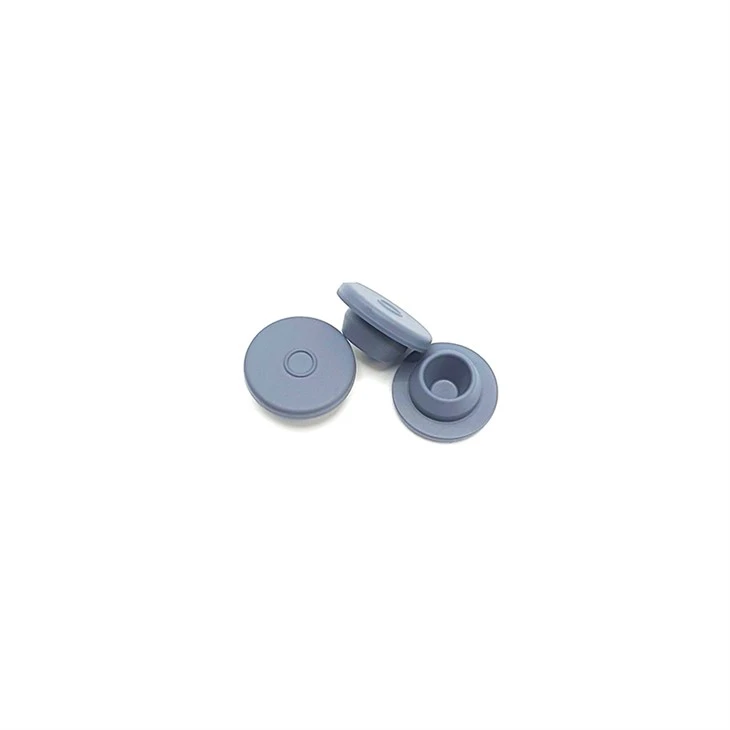
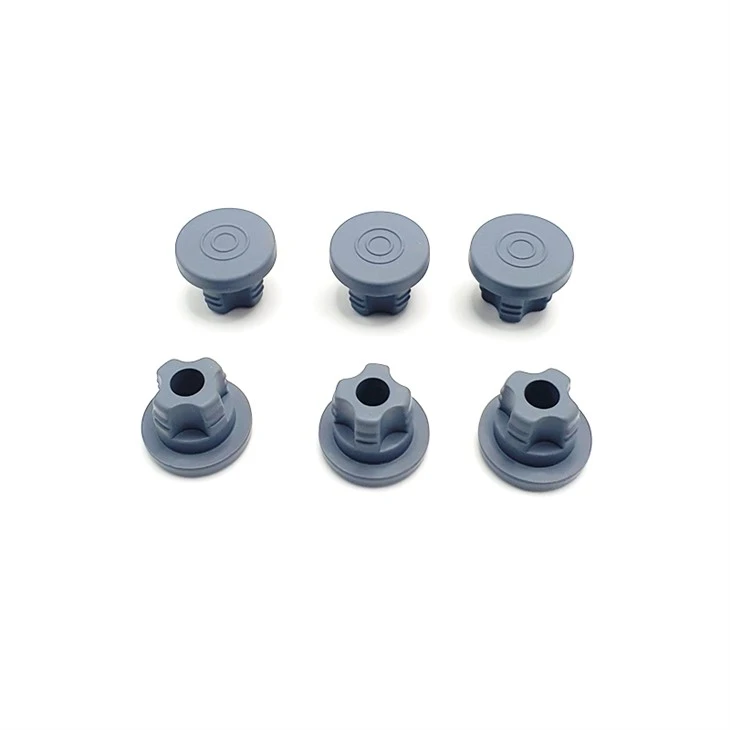
First off, let's talk about what rubber stoppers are. They're used in a ton of different industries. In the pharmaceutical world, you've got Pharmaceutical Rubber Stopper. These are super important because they seal up medicine bottles and vials, keeping the drugs inside safe and effective. Then there are Infusion Rubber Stopper, which are used in IV bags and such. And Bromobutyl Rubber Stopper are another type, known for their excellent chemical resistance.
Now, the big question: can they be recycled? Well, the answer isn't a simple yes or no. It depends on a few factors.
The type of rubber used in the stoppers plays a huge role. There are different kinds of rubber out there, like natural rubber and synthetic rubber. Natural rubber comes from rubber trees, while synthetic rubber is made in a lab. Some types of synthetic rubber are easier to recycle than others. For example, certain rubber compounds can be broken down and reused to make new rubber products. But, there are also some rubber stoppers that have been treated with special chemicals or coatings to make them more suitable for their specific applications. These treatments can make recycling a real challenge.
Let's take pharmaceutical rubber stoppers as an example. They often come into contact with drugs and other substances. Once they've been used, they might be contaminated. And that's a major roadblock when it comes to recycling. You can't just throw a stopper that's been in contact with medicine into the recycling bin. It needs to be properly de - contaminated first, and that process can be really complicated and expensive.
Another issue is the shape and size of the rubber stoppers. They're usually small and have a specific design. Recycling facilities are set up to handle larger pieces of rubber more easily. Sorting through a bunch of tiny rubber stoppers to prepare them for recycling can be time - consuming and labor - intensive.
But it's not all bad news. There are some cases where rubber stoppers can be recycled. If the stoppers are made from a simple, non - contaminated rubber compound, they have a better chance. Some companies are working on developing more sustainable rubber stoppers that are easier to recycle. They're looking at using more recyclable rubber materials and reducing the use of those hard - to - recycle coatings and treatments.
There are also some innovative recycling methods being explored. For instance, some researchers are looking into using chemical processes to break down rubber into its basic components. Once the rubber is broken down, it can be used to make new products. This is still in the experimental stage, but it shows that there's hope for better rubber stopper recycling in the future.
If you're a business that uses a lot of rubber stoppers, there are some things you can do to be more environmentally friendly. You can work with your supplier (like me!) to see if there are more sustainable options available. Maybe there are stoppers made from more recyclable rubber or ones that are designed to be easier to de - contaminate. You can also set up a proper waste management system for your used rubber stoppers. This could involve separating the used stoppers from other waste and working with a specialized recycling company that has experience dealing with rubber.
Now, as a rubber stopper supplier, I'm really interested in promoting more sustainable practices. I'm constantly on the lookout for new ways to make our rubber stoppers more recyclable. We're working with manufacturers to develop new rubber formulations that are better for the environment. And we're also educating our customers about the importance of proper waste management for rubber stoppers.
If you're in the market for rubber stoppers, whether it's Infusion Rubber Stopper, Bromobutyl Rubber Stopper, or Pharmaceutical Rubber Stopper, I'd love to have a chat with you. We can discuss your specific needs and see how we can work together to make your operations more sustainable. Whether it's finding the right type of rubber stopper that's easier to recycle or setting up a waste management plan, I'm here to help.
In conclusion, while recycling rubber stoppers is a complex issue, it's not impossible. With the right technology, processes, and a bit of innovation, we can make significant progress in this area. As a rubber stopper supplier, I'm committed to playing my part in making the industry more environmentally friendly. So, if you're interested in learning more about our products or have any questions about rubber stopper recycling, don't hesitate to reach out. Let's work together to find the best solutions for your rubber stopper needs and contribute to a greener planet.
References
- "The Chemistry of Rubber and Recycling" - Journal of Polymer Science
- "Challenges in Recycling Medical Rubber Products" - Medical Waste Management Journal
- "Sustainable Rubber Solutions for Industrial Applications" - Industrial Rubber Review