

In the world of laboratory equipment and industrial applications, gray rubber stoppers are indispensable components. They serve a variety of purposes, from sealing containers to preventing leaks and contamination. As a leading supplier of gray rubber stoppers, I am often asked about the materials used in their production. In this blog post, I will delve into the various materials that go into making these essential items.
Natural Rubber
Natural rubber, derived from the latex of the Hevea brasiliensis tree, is one of the most common materials used in the production of gray rubber stoppers. It offers several advantages, including excellent elasticity, high tensile strength, and good resistance to tearing. Natural rubber also has a low compression set, which means it can return to its original shape after being compressed. This property makes it ideal for applications where a tight seal is required.
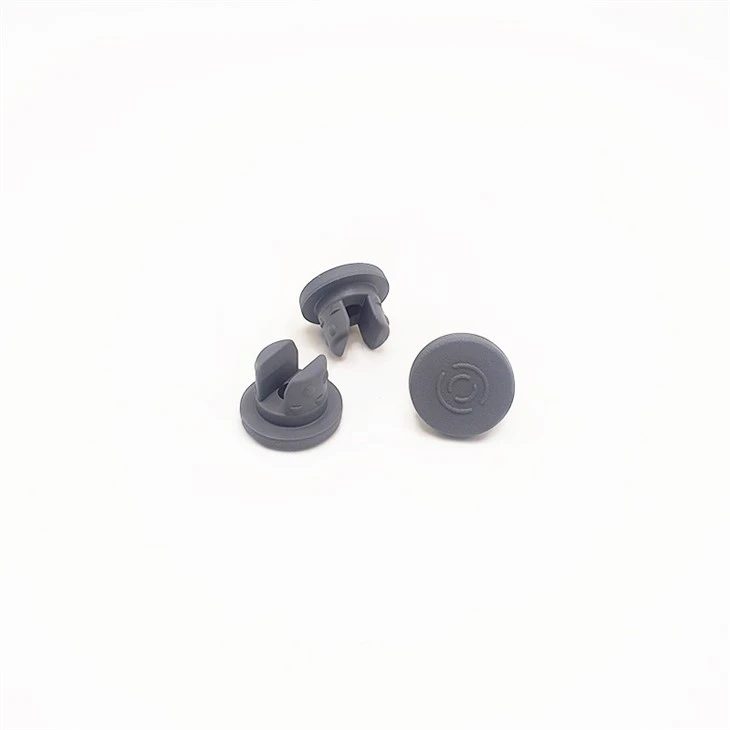
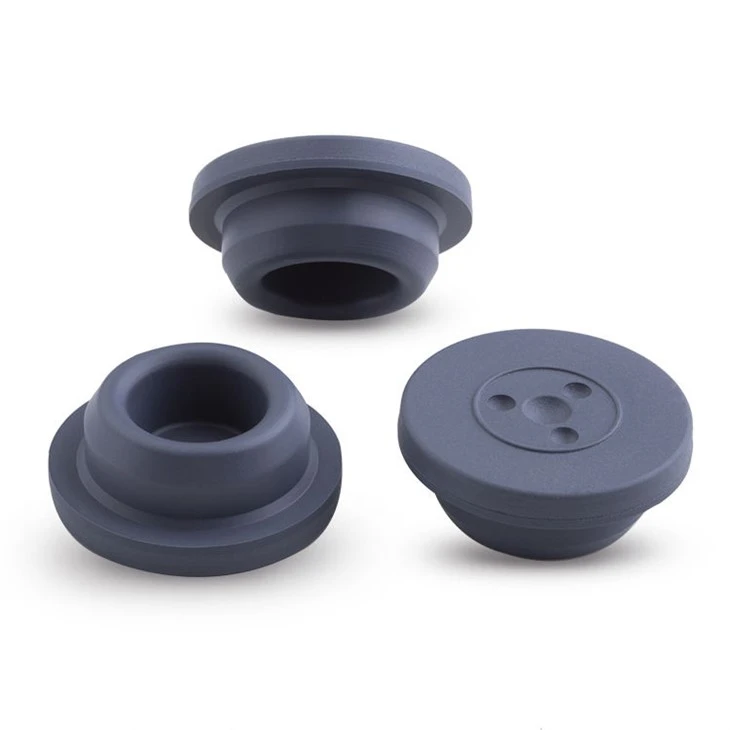
However, natural rubber is not without its limitations. It is susceptible to oxidation, ozone attack, and degradation by certain chemicals. Exposure to these factors can cause the rubber to harden, crack, or lose its elasticity over time. To overcome these issues, natural rubber is often blended with other polymers or treated with antioxidants and other additives.
Synthetic Rubbers
To address the limitations of natural rubber, synthetic rubbers are widely used in the production of gray rubber stoppers. Some of the most common synthetic rubbers include:
Styrene - Butadiene Rubber (SBR)
SBR is a copolymer of styrene and butadiene. It is one of the most widely used synthetic rubbers due to its low cost and good overall performance. SBR offers good abrasion resistance, flexibility, and resilience. It also has a relatively high resistance to aging and weathering compared to natural rubber. However, its chemical resistance is not as good as some other synthetic rubbers.
Nitrile Rubber (NBR)
Nitrile rubber is a copolymer of acrylonitrile and butadiene. It is known for its excellent resistance to oils, fuels, and other hydrocarbons. This makes it a popular choice for applications in the automotive, aerospace, and chemical industries. NBR also has good mechanical properties, including high tensile strength and tear resistance. Additionally, it has a relatively low compression set, which ensures a long - lasting seal.
Ethylene Propylene Diene Monomer (EPDM)
EPDM is a synthetic rubber made from ethylene, propylene, and a diene monomer. It offers excellent resistance to weathering, ozone, and UV radiation. EPDM also has a wide operating temperature range, from - 50°C to 150°C, making it suitable for both cold and hot environments. It has good electrical insulation properties and is resistant to many chemicals, including acids and alkalis.
Silicone Rubber
Silicone rubber is a polymer made from silicon, oxygen, carbon, and hydrogen. It has unique properties such as high heat resistance, low - temperature flexibility, and excellent electrical insulation. Silicone rubber can withstand temperatures ranging from - 60°C to 230°C, making it suitable for a wide range of applications. It is also resistant to water, ozone, and UV radiation. In addition, silicone rubber is non - toxic and has good biocompatibility, which makes it suitable for use in the medical and food industries.
Additives
In addition to the base rubber materials, various additives are used in the production of gray rubber stoppers to enhance their properties. Some of these additives include:
Fillers
Fillers are added to increase the strength, stiffness, and abrasion resistance of the rubber. Common fillers include carbon black, silica, and calcium carbonate. Carbon black is often used to improve the mechanical properties and UV resistance of the rubber. Silica can enhance the wet grip and rolling resistance of the rubber, while calcium carbonate is a low - cost filler that can increase the volume of the rubber.
Plasticizers
Plasticizers are added to improve the flexibility and processability of the rubber. They work by reducing the intermolecular forces between the polymer chains, making the rubber more pliable. Common plasticizers include phthalates, adipates, and sebacates. However, due to environmental and health concerns, the use of some phthalates has been restricted in recent years.
Antioxidants and Antiozonants
Antioxidants and antiozonants are added to prevent the rubber from oxidizing and being attacked by ozone. Oxidation and ozone attack can cause the rubber to harden, crack, and lose its elasticity. These additives help to extend the service life of the rubber stoppers, especially in outdoor or harsh environments.
Vulcanizing Agents
Vulcanization is a chemical process that cross - links the polymer chains in the rubber, improving its mechanical properties such as strength, elasticity, and heat resistance. Sulfur is the most common vulcanizing agent, but other agents such as peroxides can also be used. The choice of vulcanizing agent depends on the type of rubber and the desired properties of the final product.
Our Product Range
As a gray rubber stopper supplier, we offer a wide range of products to meet different customer needs. Our product line includes Rubber Stopper 32mm, Rubber Vial Stopper, and Rubber Stopper 20mm. These stoppers are made from high - quality materials and are manufactured using advanced production processes to ensure consistent quality and performance.
Why Choose Our Gray Rubber Stoppers
- Quality Assurance: We have strict quality control measures in place to ensure that our gray rubber stoppers meet the highest standards. Each batch of products is tested for various properties such as hardness, tensile strength, and chemical resistance.
- Customization: We understand that different customers have different requirements. Therefore, we offer customization services to produce gray rubber stoppers in different sizes, shapes, and materials according to your specific needs.
- Competitive Pricing: We are committed to providing high - quality products at competitive prices. Our efficient production processes and strong supply chain management allow us to keep our costs down without compromising on quality.
Contact Us for Purchase and Negotiation
If you are in need of high - quality gray rubber stoppers, we invite you to contact us for purchase and negotiation. Whether you are a laboratory, an industrial manufacturer, or a distributor, we can provide you with the right products and solutions. Our team of experts is ready to assist you in selecting the most suitable gray rubber stoppers for your applications.
References
- "Rubber Technology" by Maurice Morton.
- "Handbook of Elastomers" edited by Brian M. Walker and Charles P. Rader.
- Technical data sheets from rubber manufacturers.