

Hey there! As a supplier of blue glass bottles, I often get asked about what materials are used to make these beautiful and functional containers. So, I thought I'd share some insights with you.
First off, let's talk about the main ingredient: silica sand. Silica sand is the foundation of all glass production. It's a naturally occurring mineral that's abundant in the Earth's crust. When heated to extremely high temperatures—around 1700°C (3092°F)—silica sand melts and forms a clear, molten substance. But on its own, this molten silica is too viscous and has a very high melting point, which makes it difficult to shape into bottles.
To make the glass more workable, we add soda ash (sodium carbonate). Soda ash lowers the melting point of the silica, making it easier to melt and shape. However, adding soda ash also makes the glass water-soluble, which isn't ideal for a bottle that's going to hold liquids. That's where limestone (calcium carbonate) comes in. Limestone helps to make the glass insoluble in water and also improves its chemical durability.
So far, we've got a basic glass mixture, but it's clear, not blue. To give the glass its distinctive blue color, we add colorants. One of the most common colorants for blue glass is cobalt oxide. Cobalt oxide is a deep blue powder that, when added to the molten glass, gives it a rich, vibrant blue hue. The amount of cobalt oxide added can vary depending on how intense the blue color needs to be. A small amount might result in a pale blue, while more will create a darker, more saturated color.
In some cases, we might also use other colorants in combination with cobalt oxide to achieve different shades of blue. For example, copper oxide can be added to create a more turquoise - like blue, or selenium can be used to modify the color and make it more purple - blue.
Now, let's talk about some of the other materials and additives that are used in the manufacturing process. We often add fining agents to the glass mixture. These agents help to remove bubbles from the molten glass, making it more uniform and clear. One common fining agent is sodium sulfate, which releases oxygen gas when heated, causing the bubbles to rise to the surface and escape.
We also use lubricants during the forming process. When the molten glass is being shaped into bottles, lubricants are applied to the molds to prevent the glass from sticking. These lubricants can be made from various substances, such as graphite or oil - based compounds.
Once the glass is formed into bottles, we might apply a coating to the outside of the bottle. This coating can serve several purposes. It can improve the bottle's scratch resistance, making it less likely to get damaged during handling and transportation. It can also provide a barrier against moisture and other environmental factors. Some coatings are made from polymers, which are long - chain molecules that form a protective layer on the glass surface.
Now, I'd like to mention some of the other types of glass bottles we offer. If you're not looking for a blue glass bottle, we also have Clear Glass Bottle. These are great for products where you want the contents to be clearly visible, like perfumes or high - end beverages.
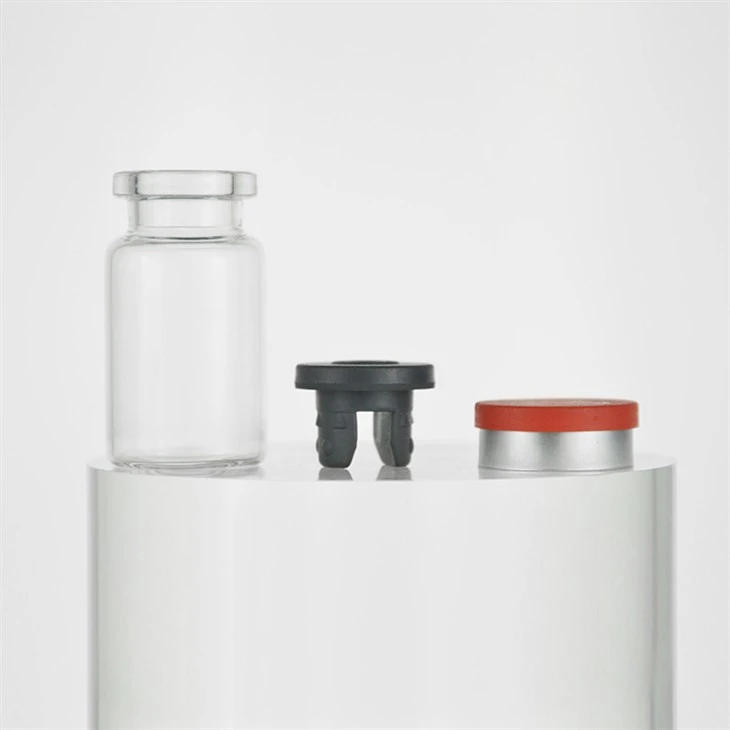
For the medical industry, we have Medical Vial with Lid. These vials are made with high - quality glass that meets strict medical standards. They're designed to safely store medications and other medical substances.
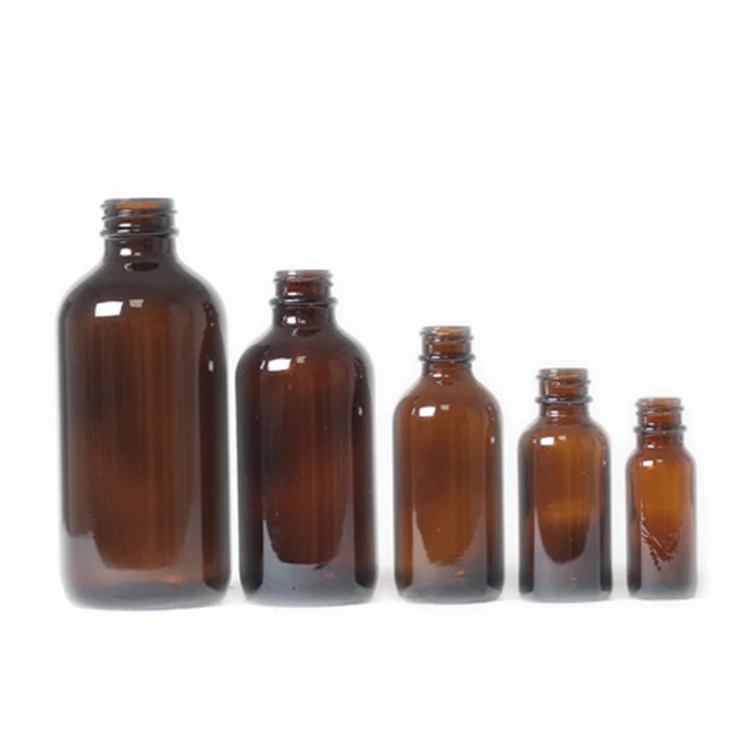
And if you need a smaller bottle, we offer 20ml Amber Glass Bottle. Amber glass is great for protecting light - sensitive products, like essential oils or certain medications.
At the end of the day, the materials used to make blue glass bottles are carefully selected to ensure high quality, functionality, and an attractive appearance. Whether you're a cosmetic company looking for a unique packaging solution, a pharmaceutical company in need of a reliable container, or a beverage producer wanting to stand out on the shelves, our blue glass bottles are a great choice.
If you're interested in learning more about our blue glass bottles or any of our other products, or if you want to discuss a potential order, don't hesitate to reach out. We're always happy to have a chat and see how we can meet your specific needs. Let's work together to find the perfect glass bottle solution for your business!
References
- "The Science of Glassmaking." Glass Association of North America.
- "Colorants in Glass Production." Journal of Glass Science and Technology.
- "Manufacturing Processes for Glass Containers." Glass Packaging Institute.