

Hey there! As a supplier of medical vials, I often get asked about the shelf-life of these little containers. It's a crucial topic, especially when it comes to storing and preserving medications and other medical substances. So, let's dive right in and explore what determines the shelf-life of a medical vial.
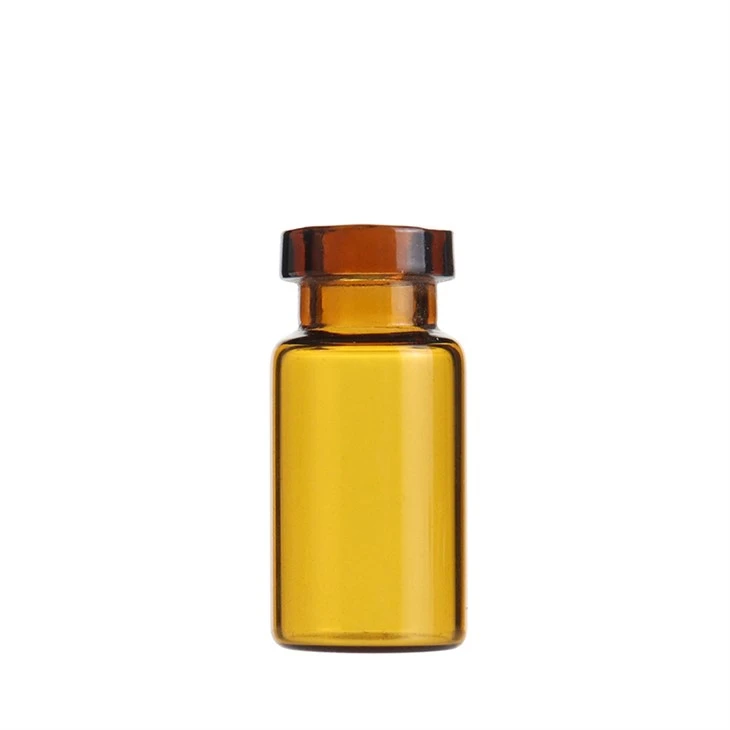
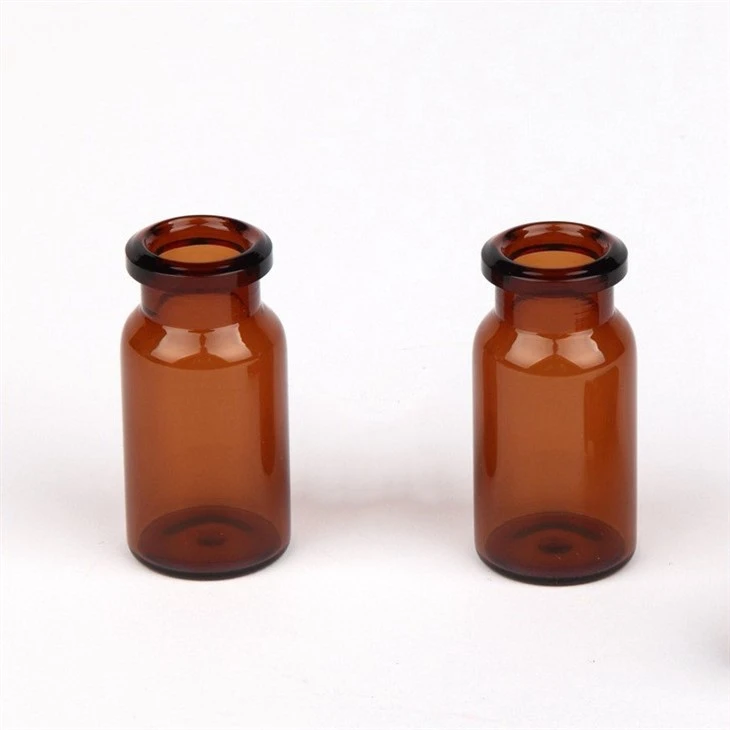
First off, what exactly is a medical vial? Well, it's a small container typically made of glass or plastic, designed to hold liquid or powder medications. You've probably seen them at the doctor's office or pharmacy. They come in various sizes and shapes, like the 20ml Medicine Bottle, the 10ml Amber Glass Bottle, and the Amber Medicine Glass Bottle. These vials are essential for keeping medications safe and stable until they're ready to be used.
Now, the shelf-life of a medical vial isn't set in stone. It depends on a bunch of factors. One of the most important ones is the material the vial is made of. Glass vials are a popular choice because they're inert, which means they don't react with the medications inside. This makes them great for long-term storage. Plastic vials, on the other hand, are lighter and more shatter-resistant, but they can sometimes interact with certain medications over time.
Another factor that affects shelf-life is the type of medication being stored. Some medications are more stable than others. For example, simple saline solutions might have a longer shelf-life compared to medications that are sensitive to light, heat, or moisture. That's why you'll often see medications stored in amber glass vials, like the ones I mentioned earlier. The amber color helps block out light, which can degrade certain drugs.
Environmental conditions also play a huge role. If a vial is stored in a hot, humid place, it can speed up the degradation process. On the flip side, storing it in a cool, dry environment can extend its shelf-life. That's why pharmacies and hospitals have strict storage guidelines for medications. They want to make sure the drugs stay effective for as long as possible.
Let's talk about how manufacturers determine the shelf-life of a medical vial. They conduct a bunch of tests to figure out how the vial and the medication inside will hold up over time. These tests involve exposing the vials to different conditions, like different temperatures and humidity levels, and then analyzing the medication's stability at regular intervals. Based on these results, they can estimate how long the vial and its contents will remain safe and effective.
It's important to note that once a vial is opened, its shelf-life can change. The seal is broken, and the medication is exposed to air, which can introduce contaminants and speed up degradation. That's why it's crucial to follow the instructions on the label about how long to use the medication after opening.
As a supplier, I always make sure to provide high-quality medical vials that meet strict industry standards. We work closely with manufacturers to ensure that the vials are made from the best materials and are designed to protect the medications inside. We also offer a wide range of vials to suit different needs, whether it's for small doses or large quantities.
If you're in the market for medical vials, it's important to choose a reliable supplier. You want to make sure you're getting vials that will keep your medications safe and effective for as long as possible. That's where we come in. We have a team of experts who can help you choose the right vials for your specific needs.
Whether you're a pharmacy, a hospital, or a research facility, we can provide you with the medical vials you need. Our vials are not only high-quality but also cost-effective. We understand the importance of keeping your costs down while still maintaining the highest standards of quality.
So, if you're interested in learning more about our medical vials or want to discuss your specific requirements, don't hesitate to reach out. We're here to help you find the best solutions for your medical storage needs.
In conclusion, the shelf-life of a medical vial is influenced by many factors, including the material, the type of medication, and the environmental conditions. By choosing the right vials and storing them properly, you can ensure that your medications remain safe and effective for as long as possible. If you have any questions or need more information, feel free to contact us. We're always happy to help.
References
- Pharmaceutical Packaging Science and Technology, various editions
- Guidelines from the World Health Organization on Medicine Storage
- Research papers on drug stability and packaging materials from academic journals