

Hey there! I'm a supplier of penicillin bottles, and today I'm gonna talk about how these little guys are made airtight. It's super important because penicillin and other medications stored in these bottles need to be protected from air, moisture, and contaminants to stay effective.
The Basics of Penicillin Bottles
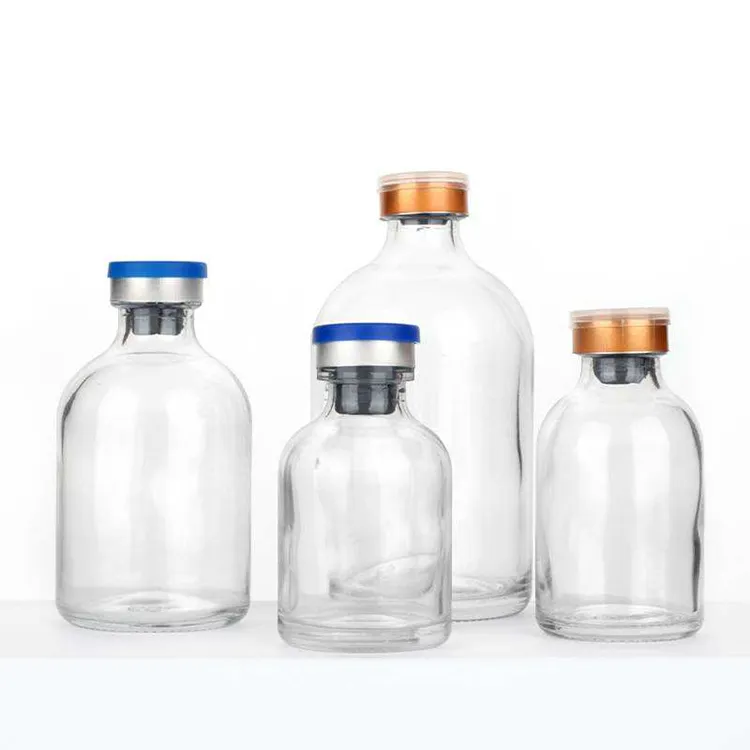
First off, let's get a bit of background. Penicillin bottles come in different sizes, like 1 Ml Vials, Clear Medicine Bottle, and 60 Ml Glass Bottles. They're usually made of glass because it's inert, meaning it won't react with the medicine inside. Glass also provides a good barrier against air and moisture.
The Manufacturing Process
The journey of making an airtight penicillin bottle starts with the glass manufacturing. High - quality glass materials are melted at extremely high temperatures, around 1500 - 1700 degrees Celsius. This molten glass is then shaped into the familiar bottle form using various techniques, such as blow - molding.
Once the bottle is formed, it goes through a series of quality checks. The walls of the bottle need to be of uniform thickness. Any thin spots could potentially lead to leaks or breakage later on.
Sealing the Bottles
Now, the real deal - making them airtight. There are a few common methods for sealing penicillin bottles, and I'll break them down for you.
Rubber Stoppers
One of the most widely used methods is using rubber stoppers. These stoppers are made from a special type of rubber that's resistant to chemicals and has good elasticity. Before the stopper is inserted, the bottle is filled with the medicine under a controlled environment, usually in a cleanroom to prevent contamination.
The rubber stopper is first sanitized to remove any impurities. Then, it's pushed into the neck of the bottle. The elasticity of the rubber allows it to form a tight seal against the inner walls of the bottle neck. But that's not all. After the stopper is in place, an aluminum cap is crimped over the top. This cap not only holds the stopper in place but also provides an extra layer of protection against air and moisture getting in.
The crimping process is crucial. If it's not done correctly, the seal won't be airtight. Special crimping machines are used to ensure a consistent and tight crimp around the bottle neck. These machines apply just the right amount of pressure to secure the cap without damaging the bottle or the stopper.
Roll - on Seals
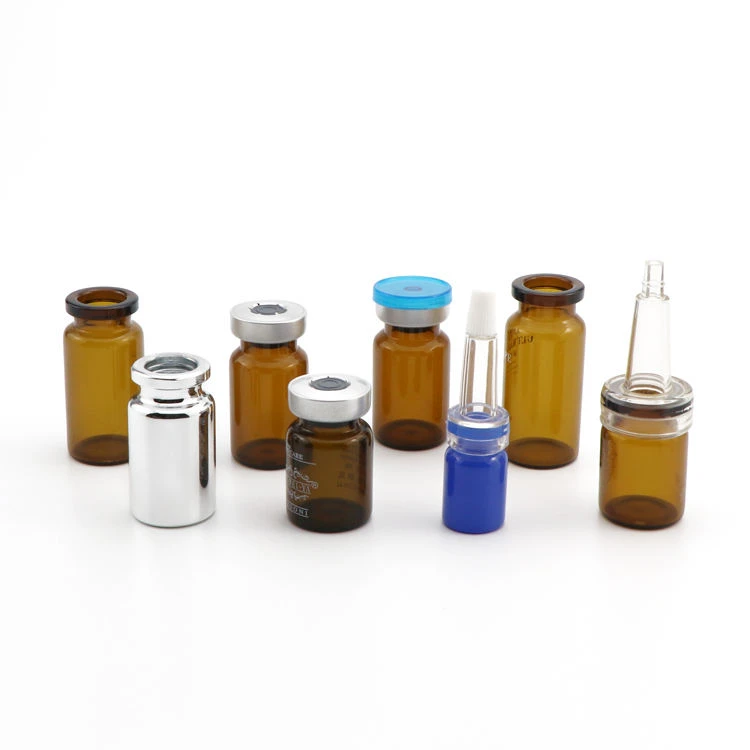
Another method is the roll - on seal. This is often used for smaller penicillin bottles. A pre - formed plastic or metal cap is placed on top of the bottle, and then a machine rolls the edge of the cap around the bottle neck. This creates a tight, airtight seal.
The advantage of roll - on seals is that they're relatively quick to apply. However, they need to be designed properly to ensure a good fit. The cap material also needs to be compatible with the medicine inside the bottle to avoid any chemical reactions.
Quality Control
After the bottles are sealed, they go through a rigorous quality control process. One way to check the airtightness is by using a vacuum test. The sealed bottles are placed in a vacuum chamber. If there's a leak in the seal, air will rush out of the bottle, and this can be detected by sensors in the chamber.
Visual inspections are also done. Workers look for any signs of damage to the bottle, the stopper, or the cap. Any bottles that don't meet the standards are rejected.
Storage and Transportation
Once the penicillin bottles are airtight and pass quality control, they need to be stored and transported properly. They're usually stored in a cool, dry place to prevent any changes in the medicine due to temperature or humidity.
During transportation, they're packed in special containers that protect them from shock and vibration. This helps to ensure that the airtight seals remain intact until the bottles reach their final destination.
Why Airtightness Matters
You might be wondering, why all this fuss about airtightness? Well, penicillin and other medications are very sensitive. Exposure to air can cause oxidation, which can break down the active ingredients in the medicine. Moisture can also lead to the growth of bacteria or fungi inside the bottle, making the medicine unsafe to use.
An airtight seal ensures that the medicine remains stable and effective for its intended shelf - life. This is crucial for patient safety and the effectiveness of medical treatments.
Conclusion
So, there you have it - the ins and outs of how penicillin bottles are made airtight. It's a complex process that involves careful manufacturing, proper sealing methods, and strict quality control. As a supplier, I take pride in providing high - quality, airtight penicillin bottles that meet the needs of the pharmaceutical industry.
If you're in the market for penicillin bottles or any related products like 1 Ml Vials, Clear Medicine Bottle, or 60 Ml Glass Bottles, I'd love to talk to you. Reach out to me, and we can discuss your specific requirements and how I can help you get the best products for your business.
References
- "Glass Packaging Materials: Properties and Applications" by John Smith
- "Pharmaceutical Packaging Technology" edited by Jane Doe
- Industry standards and guidelines from the International Pharmaceutical Excipients Council