

Hey there! As an aluminum cap supplier, I often get asked about the standard thickness of aluminum caps. It's a crucial question because the thickness can impact the cap's performance, durability, and overall quality. So, let's dive right into it and explore what goes into determining the standard thickness of these caps.
Factors Affecting the Thickness of Aluminum Caps
First off, there isn't a one - size - fits - all answer when it comes to the standard thickness of aluminum caps. Several factors play a role in deciding how thick a cap should be.
1. Application
The use of the aluminum cap is a major determinant. For instance, if it's for a Aluminium Pharmaceutical Cap, the thickness needs to be carefully calibrated. Pharmaceutical products require a high level of protection from external elements like moisture, air, and contaminants. A thicker cap can provide better sealing and protection, ensuring the integrity of the medication inside. On the other hand, if the cap is for a cosmetic product, the requirements might be different. Cosmetics usually don't need as high a level of protection as pharmaceuticals, so the cap can be thinner.

2. Type of Container
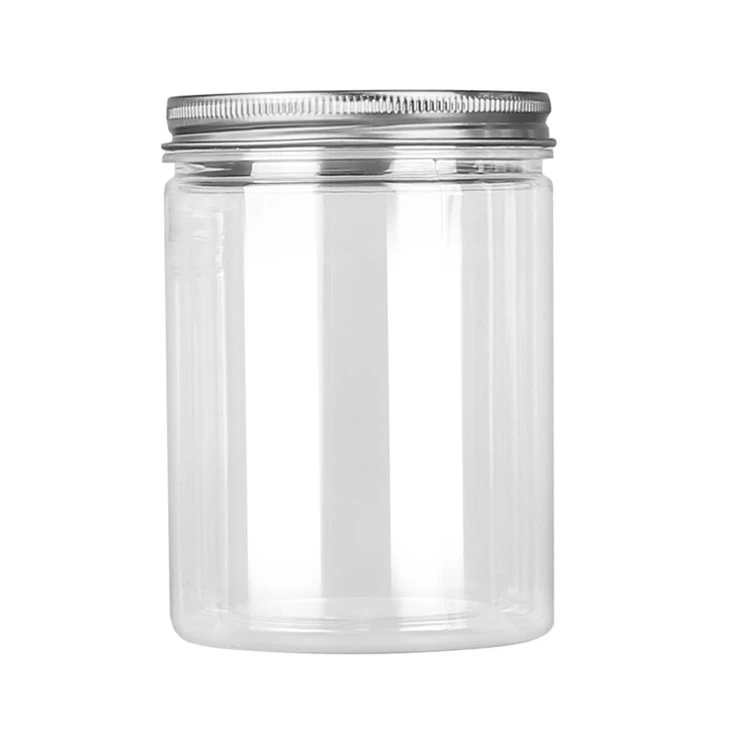
The container the cap is meant for also matters. If it's a Aluminum Can with Screw Cap, the cap thickness will depend on the size and shape of the can. Larger cans may require thicker caps to ensure a proper fit and secure closure. A small, lightweight can might work well with a thinner cap. Similarly, for a Clear Bottle Aluminum Cap, the design and material of the bottle influence the cap thickness. A glass bottle might need a different cap thickness compared to a plastic bottle.
3. Brand Requirements
Brands often have their own specifications for cap thickness. Some brands might prioritize a more premium look and feel, which could mean using a thicker cap. Thicker caps can give the impression of higher quality and durability, which is appealing to consumers. Other brands, especially those focused on cost - effectiveness, might opt for a thinner cap to keep production costs down.
Common Thickness Ranges
Now, let's talk about the common thickness ranges you'll typically see in the industry.
Pharmaceutical Caps
For pharmaceutical caps, the thickness usually ranges from 0.15 mm to 0.3 mm. This relatively thin yet precise range is designed to provide a good balance between protection and ease of use. A cap that's too thick might be difficult to open, while a cap that's too thin won't offer adequate protection.
Cosmetic Caps
Cosmetic caps are generally thinner, with a typical thickness range of 0.1 mm to 0.2 mm. Since cosmetics don't need as much protection as pharmaceuticals, these thinner caps are sufficient. They also help keep the overall cost of the product down.
Beverage Caps
Beverage caps, especially those for carbonated drinks, need to be able to withstand the pressure inside the container. The thickness of these caps usually falls between 0.2 mm and 0.4 mm. This range ensures that the cap can seal the beverage properly and prevent any leakage or loss of carbonation.
Measuring the Thickness
Measuring the thickness of an aluminum cap is an important part of quality control. There are several methods used to measure cap thickness.
Micrometers
Micrometers are a common tool for measuring cap thickness. They provide a very accurate measurement, usually up to 0.001 mm. To measure a cap with a micrometer, you simply place the cap between the anvil and the spindle of the micrometer and take the reading.
Caliper
Calipers are another option. They are less precise than micrometers but are still useful for getting a general idea of the cap thickness. Calipers can measure the thickness quickly and are often used for on - the - spot checks during the production process.
Quality Control and Thickness
Maintaining the right thickness is crucial for ensuring the quality of aluminum caps. If the cap is too thick or too thin, it can lead to a variety of problems.
Too Thick Caps
A cap that's too thick can cause issues with fitting. It might not fit properly on the container, leading to a loose or tight seal. A tight seal can make it difficult for consumers to open the cap, while a loose seal can allow air and moisture to enter, compromising the product inside.
Too Thin Caps
On the other hand, a cap that's too thin might not provide enough protection. It could break easily during handling or transportation, exposing the product to damage. It might also not seal properly, leading to leakage.
Our Approach as a Supplier
As an aluminum cap supplier, we take the issue of cap thickness very seriously. We have a team of experts who work closely with our clients to understand their specific requirements. Whether it's a pharmaceutical company looking for the perfect cap for their medication or a cosmetic brand wanting a stylish and functional cap, we can customize the thickness of our caps to meet their needs.
We use state - of - the - art manufacturing processes and quality control measures to ensure that every cap we produce meets the required thickness standards. Our in - house testing facilities allow us to measure the thickness of each batch of caps to guarantee consistency and quality.
Why Choose Us?
There are several reasons why you should choose us as your aluminum cap supplier.
Customization
We understand that every client has unique needs. That's why we offer a high level of customization when it comes to cap thickness. We can work with you to develop a cap that's exactly the right thickness for your product.
Quality Assurance
Our commitment to quality is unwavering. We use only the highest - quality aluminum materials and strict quality control measures to ensure that our caps are of the best possible quality.
Competitive Pricing
We know that cost is an important factor for our clients. That's why we offer competitive pricing without compromising on quality. We believe in providing value for money to our customers.
Contact Us for Your Aluminum Cap Needs
If you're in the market for aluminum caps and have questions about the standard thickness or need a customized solution, don't hesitate to reach out to us. We're here to help you find the perfect cap for your product. Whether you're a small startup or a large corporation, we have the expertise and resources to meet your requirements. So, get in touch with us today and let's start a conversation about your aluminum cap needs.
References
- "Handbook of Packaging Materials: Properties, Performance, and Selection" by Kenji Yamada
- "Packaging Technology" by Mike Robertson
- Industry reports on aluminum cap manufacturing and quality control