

As a supplier of small glass bottles, I've had the privilege of seeing firsthand the diverse applications and benefits these containers offer. They're widely used in various industries, from pharmaceuticals to cosmetics, and their popularity stems from their durability, recyclability, and ability to preserve the contents effectively. However, like any product, small glass bottles also come with their fair share of disadvantages. In this blog post, I'll delve into some of these drawbacks, which are important considerations for both manufacturers and consumers.
Fragility
One of the most significant disadvantages of small glass bottles is their fragility. Glass is a brittle material that can easily break when dropped or subjected to sudden impacts. This poses a risk during transportation and handling. Even with careful packaging, there's always a chance that some bottles may break in transit. For example, if a shipment of Penicillin Bottle 30ml is being transported across a long distance, rough handling or vibrations from the vehicle can cause the bottles to collide with each other or the packaging, leading to breakage.
This fragility also means that extra care must be taken when using the bottles. Consumers need to handle them gently to avoid accidental breakage, which can be inconvenient, especially in fast - paced environments like hospitals or busy laboratories. Moreover, broken glass can be a safety hazard, as sharp shards can cause cuts and injuries.
Weight
Small glass bottles are relatively heavy compared to other packaging materials such as plastic or aluminum. This additional weight can significantly increase shipping costs. For businesses that rely on large - scale distribution, the cost of shipping glass bottles can eat into profit margins. For instance, a company that ships Pharmacy Medicine Bottles in bulk will have to pay more for transportation due to the weight of the glass.
The weight can also be a drawback for consumers. Carrying around a product in a glass bottle can be cumbersome, especially if they need to transport it for long distances. This is a particular concern for products like perfumes or essential oils, where consumers may want to take them with them on the go.
Cost
The production cost of small glass bottles is generally higher than that of plastic or other alternative materials. Glass manufacturing requires high - temperature furnaces and specialized equipment, which consume a significant amount of energy. The raw materials for glass, such as silica sand, soda ash, and limestone, also need to be of high quality, adding to the cost.

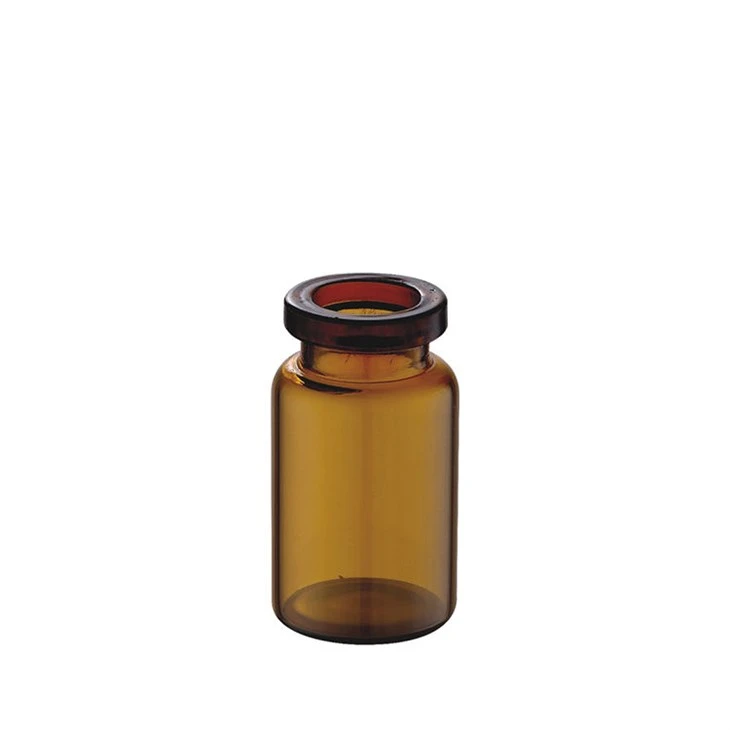
In addition, the cost of packaging glass bottles is also relatively high. They need to be packed in sturdy boxes with cushioning materials to prevent breakage during shipping, which further increases the overall cost. This higher cost is often passed on to the consumers, making products in glass bottles more expensive compared to those in other types of packaging.
Limited Design Flexibility
Compared to plastic, glass has limited design flexibility. It is more difficult to create complex shapes and thin - walled structures with glass. This can be a disadvantage for companies that want to differentiate their products through unique packaging designs. For example, plastic containers can be easily molded into various shapes, such as squeezable bottles or containers with intricate patterns, which can attract consumers. In contrast, glass bottles are usually limited to more traditional shapes like cylindrical or rectangular.
The process of creating custom - designed glass bottles is also more time - consuming and expensive. It requires specialized molds and manufacturing techniques, which may not be feasible for small - scale producers or those with tight budgets.
Environmental Impact During Production
Although glass is recyclable, the production process of glass has a relatively high environmental impact. As mentioned earlier, glass manufacturing requires a large amount of energy to melt the raw materials at high temperatures. This energy consumption often comes from non - renewable sources, such as coal or natural gas, which contribute to greenhouse gas emissions.
The extraction of raw materials for glass production can also have negative environmental effects. Mining for silica sand, for example, can lead to habitat destruction and soil erosion. Additionally, the waste generated during the glass manufacturing process, such as cullet (broken glass), needs to be properly managed to prevent environmental pollution.
Labeling Challenges
Labeling small glass bottles can be more challenging compared to other materials. Glass has a smooth surface, which can make it difficult for labels to adhere properly. If the label doesn't stick well, it can peel off during transportation or storage, which is not only unappealing but can also lead to problems with product identification.
Special adhesives or printing techniques may be required to ensure that labels stay on the glass bottles. These additional steps can increase the cost of labeling and may also have an impact on the overall production time.
Compatibility with Certain Substances
Some substances may react with glass over time. For example, highly alkaline or acidic substances can corrode the glass surface. This can be a problem for products that have a long shelf - life or are stored in glass bottles for extended periods. In the pharmaceutical industry, certain medications may interact with the glass, which can affect the stability and efficacy of the drug.
Even though glass is generally considered a chemically inert material, there are still some exceptions. Manufacturers need to conduct thorough compatibility tests before using glass bottles to ensure that the product remains stable and safe throughout its shelf - life.
Conclusion
While small glass bottles have many advantages, it's clear that they also come with several disadvantages. Fragility, weight, cost, limited design flexibility, environmental impact during production, labeling challenges, and compatibility issues are all factors that need to be considered when choosing small glass bottles as a packaging solution.
However, it's important to note that these disadvantages can be mitigated through careful planning and the use of appropriate technologies. For example, using shock - absorbing packaging can reduce the risk of breakage during transportation, and energy - efficient manufacturing processes can help to lower the environmental impact.
If you're considering using small glass bottles for your products, I encourage you to reach out to discuss your specific needs. We, as a small glass bottle supplier, have the expertise and experience to provide you with the best solutions. Whether you're interested in Penicillin Bottle 30ml, Pharmacy Medicine Bottles, or Amber Glass Bottle, we can work together to find the most suitable option for your business. Contact us to start a procurement discussion and explore how we can meet your requirements.
References
- "Packaging Materials: Glass" - Food and Agriculture Organization of the United Nations
- "The Science of Glass Packaging" - Glass Packaging Institute
- "Environmental Impact of Glass Production" - Journal of Environmental Management