

Hey there! As a supplier of medical vials, I've seen a lot of folks out there scratching their heads about how to use a medical vial with a lyophilized product. Don't worry, I'm here to break it down for you in a super simple way.
First off, let's talk about what a lyophilized product is. Lyophilization, or freeze - drying, is a process where a product is frozen and then the water is removed under vacuum. This helps to preserve the product for a longer time. You'll often find vaccines, certain medications, and diagnostic reagents in lyophilized form inside medical vials.
Now, let's get into the nitty - gritty of using these vials. The first thing you need to do is gather your supplies. You'll need the medical vial with the lyophilized product, a diluent (which is usually a liquid that you'll use to reconstitute the product), a syringe, and a needle.
Before you start, make sure you wash your hands thoroughly. You don't want to introduce any germs into the vial. Also, check the expiration date on the vial. Using an expired product can be ineffective or even dangerous.
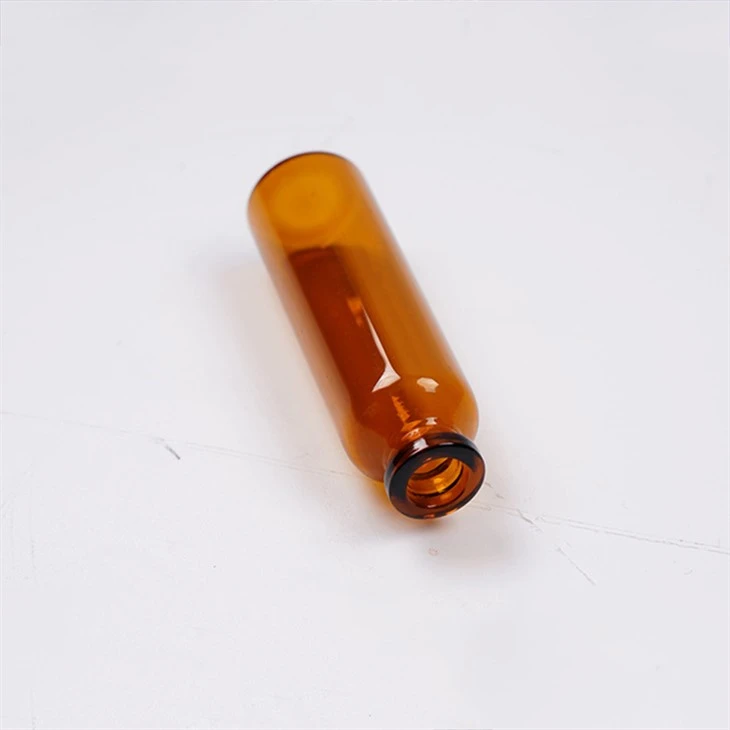
Let's take a look at the vial itself. Most medical vials, like the 10ml Glass Vial with Rubber Stopper or the 1ml Glass Bottle, come with a rubber stopper on top. This stopper is there to keep the contents sterile.
Once you've got your supplies ready, take the syringe and draw up the appropriate amount of diluent. The amount of diluent needed is usually specified in the product instructions. Make sure you're using the right type of diluent too. Some products require sterile water, while others might need a special buffer solution.
Next, clean the rubber stopper on the vial with an alcohol swab. This helps to kill any bacteria on the surface. Then, insert the needle of the syringe through the rubber stopper at a 45 - degree angle. Be gentle so you don't break the vial or damage the stopper.
Slowly inject the diluent into the vial. You'll see the lyophilized powder start to dissolve. Gently swirl the vial to make sure all the powder is dissolved. Don't shake it too vigorously, as this can cause foaming, which might affect the product's quality.
After the powder is completely dissolved, draw the reconstituted solution back into the syringe. Make sure there are no air bubbles in the syringe. You can tap the syringe gently to get the air bubbles to the top and then push the plunger slightly to remove them.
Now, you're ready to use the reconstituted product. Whether it's for an injection, a diagnostic test, or something else, follow the specific instructions for that product.
It's important to note that once you've reconstituted the product, it usually has a limited shelf - life. Some products need to be used immediately, while others can be stored in the refrigerator for a short period. Always check the product instructions for this information.
As a medical vial supplier, I know how crucial it is to have high - quality vials for storing lyophilized products. Our Medical Vial range is designed to meet the strictest standards of sterility and durability. We use high - quality glass that is resistant to breakage and can withstand the freeze - drying process. The rubber stoppers are also carefully selected to ensure a tight seal and prevent any contamination.
If you're in the market for medical vials, whether it's for a small research project or a large - scale pharmaceutical production, we've got you covered. We offer a wide range of sizes and styles to suit your specific needs. And we're always here to answer any questions you might have about using our vials or the products they contain.

So, if you're interested in learning more about our medical vials or if you're ready to start a procurement process, don't hesitate to get in touch. We're eager to have a chat with you and work out the best solution for your requirements.
In conclusion, using a medical vial with a lyophilized product might seem a bit complicated at first, but once you get the hang of it, it's a straightforward process. Just follow the steps, use the right supplies, and you'll be good to go. And remember, having a reliable supplier of medical vials is key to ensuring the safety and effectiveness of your products.
References
- General knowledge on lyophilization and medical vial usage from the field of pharmacy and medical supply industry.