

Sealing aluminum caps onto containers is a crucial process in various industries, from food and beverage to pharmaceuticals. As an experienced aluminum cap supplier, I've witnessed firsthand the importance of a proper sealing method to ensure product integrity, safety, and longevity. In this blog post, I'll delve into the different techniques used to seal aluminum caps onto containers, the factors influencing the choice of method, and the benefits of each approach.
Common Sealing Techniques
Roll-On Pilfer-Proof (ROPP) Sealing
ROPP sealing is one of the most widely used methods for sealing aluminum caps onto glass bottles, especially in the beverage and pharmaceutical industries. This process involves using a specialized machine to roll the edge of the aluminum cap around the neck of the bottle, creating a tight and secure seal. The cap is typically pre-scored to allow for easy removal, while the rolled edge provides a tamper-evident feature, indicating whether the product has been opened.
The ROPP sealing process begins with the placement of the aluminum cap on the bottle neck. The bottle is then conveyed to the sealing station, where a set of rollers apply pressure to the cap, causing it to deform and conform to the shape of the bottle neck. The rollers also create a series of threads on the inner surface of the cap, which engage with corresponding threads on the bottle neck, providing additional security.
One of the key advantages of ROPP sealing is its ability to provide a hermetic seal, preventing the ingress of air, moisture, and contaminants. This helps to preserve the quality and freshness of the product, extending its shelf life. Additionally, the tamper-evident feature of ROPP caps provides consumers with confidence in the safety and integrity of the product.
Press-On/Twist-Off Sealing
Press-on/twist-off sealing is another popular method for sealing aluminum caps onto containers, particularly in the food and beverage industry. This process involves pressing the aluminum cap onto the container using a pneumatic or hydraulic press, followed by a twisting motion to secure the cap in place. The cap is typically designed with a liner or gasket to provide a tight seal and prevent leakage.
The press-on/twist-off sealing process is relatively simple and cost-effective, making it suitable for high-volume production. It also allows for easy opening and closing of the container, providing convenience for consumers. However, this method may not provide the same level of hermetic seal as ROPP sealing, and the tamper-evident feature may be less pronounced.
Induction Sealing
Induction sealing is a non-contact method of sealing aluminum caps onto containers, commonly used in the pharmaceutical, food, and beverage industries. This process involves using an electromagnetic field to heat a foil liner inside the cap, which melts and bonds to the container opening, creating a hermetic seal. The induction sealing process is fast, efficient, and provides a high level of product protection.
The induction sealing process begins with the placement of the aluminum cap with a foil liner on the container. The container is then passed under an induction coil, which generates an electromagnetic field. The field induces an electric current in the foil liner, causing it to heat up and melt. The melted foil bonds to the container opening, creating a tight and secure seal.
One of the main advantages of induction sealing is its ability to provide a hermetic seal without the need for direct contact with the container. This makes it suitable for sealing containers with irregular shapes or sensitive contents. Additionally, the induction sealing process is highly automated, allowing for high-speed production and consistent seal quality.
Factors Influencing the Choice of Sealing Method
The choice of sealing method depends on several factors, including the type of product, the container material, the production volume, and the desired level of product protection. Here are some of the key factors to consider when selecting a sealing method:
Product Type
The type of product being packaged is one of the most important factors to consider when choosing a sealing method. For example, products that are sensitive to air, moisture, or light may require a hermetic seal to prevent spoilage or degradation. In such cases, ROPP sealing or induction sealing may be the preferred options. On the other hand, products that are less sensitive to environmental factors may be suitable for press-on/twist-off sealing.
Container Material
The material of the container also plays a role in the choice of sealing method. For example, glass containers are commonly sealed using ROPP or induction sealing, as these methods provide a tight and secure seal. Plastic containers, on the other hand, may be sealed using press-on/twist-off or induction sealing, depending on the specific requirements of the product.
Production Volume
The production volume is another important factor to consider when selecting a sealing method. High-volume production requires a fast and efficient sealing process to ensure productivity and cost-effectiveness. In such cases, automated sealing methods such as ROPP sealing or induction sealing may be the preferred options. Low-volume production, on the other hand, may be more suitable for manual or semi-automatic sealing methods.
Desired Level of Product Protection
The desired level of product protection is also a key consideration when choosing a sealing method. Products that require a high level of protection against contamination, oxidation, or leakage may require a hermetic seal. In such cases, ROPP sealing or induction sealing may be the preferred options. Products that require a lower level of protection may be suitable for press-on/twist-off sealing.
Benefits of Using Aluminum Caps
Aluminum caps offer several benefits over other types of caps, making them a popular choice for various industries. Here are some of the key advantages of using aluminum caps:
Lightweight and Durable
Aluminum is a lightweight and durable material, making it ideal for packaging applications. Aluminum caps are easy to handle and transport, reducing the overall weight of the package. Additionally, aluminum caps are resistant to corrosion and damage, ensuring the integrity of the product during storage and transportation.
Excellent Barrier Properties
Aluminum caps provide excellent barrier properties against air, moisture, light, and contaminants. This helps to preserve the quality and freshness of the product, extending its shelf life. The barrier properties of aluminum caps also prevent the ingress of oxygen, which can cause oxidation and spoilage of the product.
Customizable
Aluminum caps can be easily customized to meet the specific requirements of the product and the brand. They can be printed with logos, labels, or other graphics, providing a high level of brand visibility. Additionally, aluminum caps can be designed in different shapes, sizes, and colors, allowing for a unique and attractive packaging solution.
Recyclable
Aluminum is a highly recyclable material, making it an environmentally friendly choice for packaging. Aluminum caps can be recycled and reused multiple times, reducing the amount of waste generated by the packaging industry. Recycling aluminum also requires less energy than producing new aluminum, making it a sustainable option.
Conclusion
Sealing aluminum caps onto containers is a critical process that ensures the quality, safety, and longevity of the product. As an aluminum cap supplier, I understand the importance of providing high-quality caps and reliable sealing solutions to meet the diverse needs of our customers. Whether you're in the food and beverage, pharmaceutical, or any other industry, we have the expertise and experience to help you choose the right sealing method for your product.
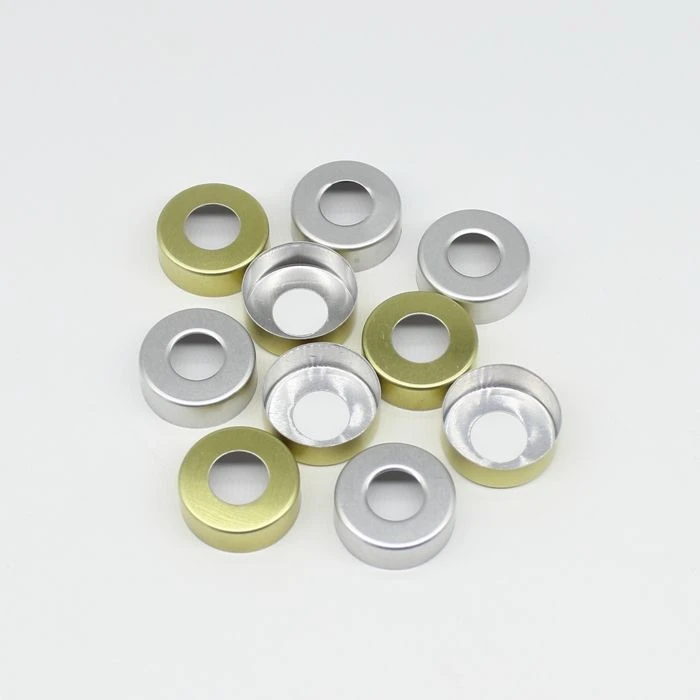
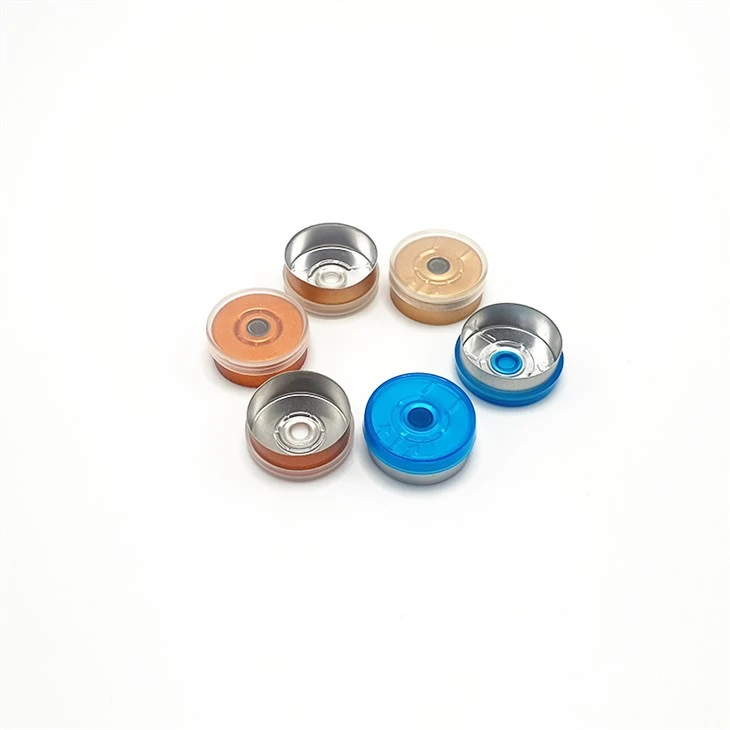
If you're interested in learning more about our Medical Aluminum Caps, Aluminium Flip Off Cap, or Aluminum Lids, please don't hesitate to contact us. We'd be happy to discuss your specific requirements and provide you with a customized solution. Let's work together to ensure the success of your product!
References
- "Aluminum Packaging: Properties and Applications." Packaging Digest.
- "Sealing Technologies for Packaging." Packaging World.
- "The Benefits of Aluminum Caps in Packaging." Aluminum Association.