

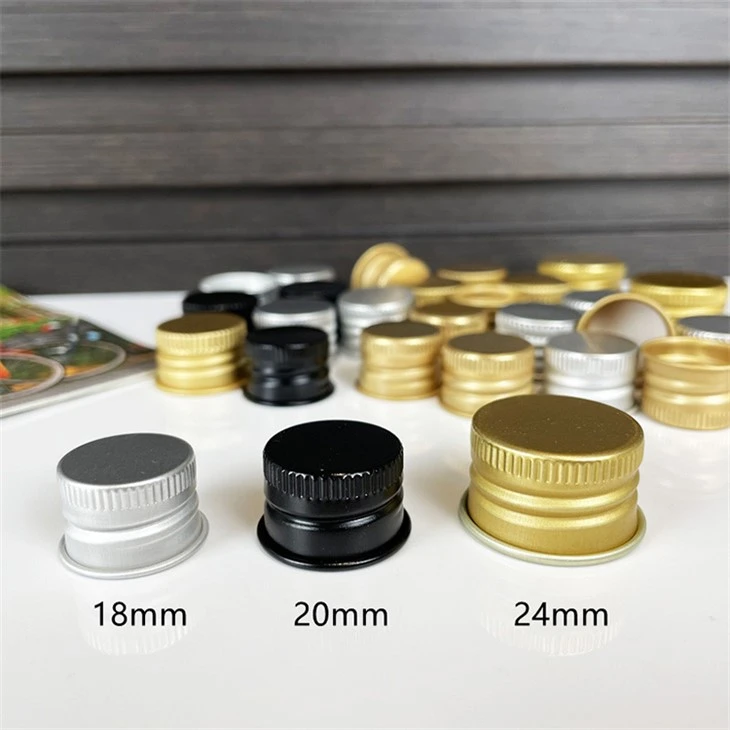
Aluminum caps are ubiquitous in our daily lives, found on everything from beverage bottles to pharmaceutical containers. As a leading supplier of Aluminum Caps for Bottles, Aluminium Pharmaceutical Cap, and 20mm Aluminum Cap, I am often asked about the recyclability rate of these essential items. In this blog post, I will delve into the topic, exploring the factors that influence the recyclability of aluminum caps and the current state of their recycling rates.
The Recyclability of Aluminum Caps
Aluminum is one of the most recyclable materials on the planet. It can be recycled indefinitely without losing its quality or properties. This is because aluminum is a non - ferrous metal, and the recycling process involves melting down the used aluminum and reforming it into new products. The energy required to recycle aluminum is only about 5% of the energy needed to produce new aluminum from bauxite ore, making it an extremely energy - efficient and environmentally friendly option.
Aluminum caps share these recyclable properties. When properly recycled, they can be transformed into new aluminum products, including more caps, automotive parts, construction materials, and even airplanes. The process of recycling aluminum caps typically begins with collection. Caps are separated from other waste materials at recycling facilities, either manually or through automated sorting systems. Once separated, they are cleaned to remove any contaminants such as labels, adhesives, or residual product.
After cleaning, the caps are melted in a furnace at high temperatures. The molten aluminum is then cast into ingots, which can be further processed into various shapes and sizes for different applications. This entire recycling process is relatively straightforward and efficient, making aluminum caps an ideal candidate for recycling.
Factors Affecting the Recyclability Rate
Despite the high recyclability of aluminum caps, the actual recycling rate can vary significantly depending on several factors.
Collection Infrastructure
One of the primary factors is the availability of an effective collection infrastructure. In some regions, recycling programs are well - established, with convenient drop - off points and curbside collection services. These areas tend to have higher recycling rates for aluminum caps as it is easier for consumers to participate in recycling. In contrast, in areas with limited recycling facilities or complex recycling rules, consumers may be less likely to recycle their aluminum caps, leading to lower recycling rates.
Consumer Awareness
Consumer awareness also plays a crucial role. Many people may not be aware that aluminum caps are recyclable. Some may assume that they are too small or that they need to be removed from the bottle before recycling. Others may simply not understand the importance of recycling these caps. Education campaigns can help to increase consumer awareness and encourage more people to recycle their aluminum caps.
Contamination
Contamination is another significant factor. If aluminum caps are not properly cleaned or are mixed with non - recyclable materials, they can contaminate the recycling stream. For example, if a cap has a lot of residual product inside or is attached to a non - recyclable plastic liner, it may be rejected at the recycling facility. This can reduce the overall recyclability rate of aluminum caps.
Market Demand
The market demand for recycled aluminum also affects the recyclability rate. If there is a high demand for recycled aluminum products, recycling facilities are more likely to invest in the necessary equipment and processes to recycle aluminum caps. On the other hand, if the market demand is low, recycling facilities may be less motivated to recycle caps, leading to a lower recycling rate.
Current Recycling Rates of Aluminum Caps
Determining the exact recyclability rate of aluminum caps is challenging as comprehensive global data is limited. However, some studies and industry reports can provide us with a general idea.
In developed countries with advanced recycling systems, such as Germany, Sweden, and Japan, the recycling rate of aluminum products, including caps, is relatively high. These countries have well - established collection and recycling infrastructure, as well as high levels of consumer awareness. For example, Germany has a recycling rate for aluminum packaging of around 90%, which includes aluminum caps.
In the United States, the recycling rate for aluminum beverage cans is relatively high, around 50 - 60%. However, the rate for aluminum caps is likely lower, as they are often overlooked or not properly separated during the recycling process. In developing countries, the recycling rate of aluminum caps is generally lower due to limited recycling infrastructure, low consumer awareness, and other economic and social factors.
The Importance of Recycling Aluminum Caps
Recycling aluminum caps is not only environmentally friendly but also economically beneficial. From an environmental perspective, recycling aluminum caps helps to conserve natural resources. As mentioned earlier, producing new aluminum from bauxite ore requires a large amount of energy and has a significant environmental impact, including deforestation, water pollution, and greenhouse gas emissions. By recycling aluminum caps, we can reduce the demand for virgin aluminum and minimize these environmental impacts.
Economically, recycling aluminum caps can save costs. The energy savings associated with recycling aluminum are substantial, which translates into lower production costs for manufacturers. Additionally, the recycled aluminum market can create jobs in the recycling and manufacturing sectors.
Our Role as a Supplier
As a supplier of aluminum caps, we have a responsibility to promote the recycling of our products. We are committed to working with recycling facilities, waste management companies, and environmental organizations to improve the collection and recycling of aluminum caps.
We are also involved in educational initiatives to increase consumer awareness. Through our marketing materials, we provide information on the recyclability of our caps and encourage consumers to recycle them. We believe that by educating consumers, we can help to increase the recycling rate and make a positive impact on the environment.
In addition, we are constantly exploring ways to improve the design of our caps to make them more recyclable. This includes using more easily separable materials for labels and liners and ensuring that our caps are compatible with existing recycling processes.
Encouraging More Recycling
To further increase the recyclability rate of aluminum caps, several steps can be taken.
First, governments and local authorities should invest in improving the recycling infrastructure. This includes expanding curbside collection services, building more recycling facilities, and simplifying recycling rules. By making it easier for consumers to recycle, we can encourage more people to participate in recycling programs.
Second, more educational campaigns are needed. These campaigns can be targeted at different audiences, including consumers, schools, and businesses. By raising awareness about the recyclability of aluminum caps and the importance of recycling, we can change consumer behavior and increase the recycling rate.
Finally, industry collaboration is essential. Manufacturers, recycling facilities, and waste management companies should work together to develop more efficient recycling processes and increase the market demand for recycled aluminum products. By creating a closed - loop system, we can ensure that aluminum caps are recycled and reused in a sustainable manner.

Contact Us for Procurement
If you are interested in purchasing high - quality aluminum caps for your business, we would be delighted to hear from you. Our company offers a wide range of aluminum caps, including Aluminum Caps for Bottles, Aluminium Pharmaceutical Cap, and 20mm Aluminum Cap. We are committed to providing our customers with reliable products and excellent service. Please feel free to contact us to discuss your specific requirements and start a procurement negotiation.
References
- "Aluminum Recycling: An In - Depth Look." Recycling Today, 2023.
- "The State of Recycling in Developed and Developing Countries." Environmental Science Journal, 2022.
- "Recycling Aluminum Packaging: Challenges and Opportunities." Industry Report, 2021.