

Can 1 ml vials be used for storing cryogenic samples? This is a question that often arises in the scientific and medical communities. As a supplier of 1 ml vials, I am frequently asked about the suitability of these vials for cryogenic storage. In this blog post, I will explore the factors that determine whether 1 ml vials can be used for storing cryogenic samples and provide some insights based on my experience in the industry.

Understanding Cryogenic Storage
Cryogenic storage refers to the preservation of biological samples, chemicals, or other substances at extremely low temperatures, typically below -130°C. This method is widely used in various fields, including biotechnology, pharmaceuticals, and medical research, to maintain the integrity and viability of samples over extended periods. The low temperatures slow down biochemical reactions and minimize the risk of degradation, ensuring that the samples remain stable and usable for future analysis.
Key Considerations for Cryogenic Storage
When evaluating the suitability of 1 ml vials for cryogenic storage, several factors need to be taken into account:
Material Compatibility
The material of the vial must be able to withstand the extreme cold temperatures without cracking, shattering, or leaching contaminants into the sample. Glass and certain types of plastics are commonly used materials for cryogenic vials.
- Glass Vials: Glass is a popular choice for cryogenic storage due to its excellent chemical resistance and low reactivity. It can maintain its integrity at very low temperatures and provides a high level of protection for the sample. However, glass vials are more brittle than plastic vials and may be prone to breakage if mishandled.
- Plastic Vials: Some plastics, such as polypropylene and polyethylene, are also suitable for cryogenic storage. These materials are more flexible and less likely to break than glass, making them a good option for applications where the vials may be subject to mechanical stress. However, plastic vials may have a higher risk of leaching contaminants into the sample over time.
Sealing Integrity
A proper seal is essential to prevent the entry of moisture, oxygen, and other contaminants into the vial, which can damage the sample. The vial should have a tight-fitting closure that can maintain its seal even at low temperatures.
- Screw Caps: Screw caps are a common type of closure for cryogenic vials. They provide a secure seal and are easy to use. However, it is important to ensure that the cap is tightened properly to prevent leakage.
- Snap Caps: Snap caps are another option for cryogenic vials. They are quick and easy to apply, but may not provide as tight a seal as screw caps.
Volume and Sample Requirements
The volume of the vial should be appropriate for the amount of sample being stored. 1 ml vials are suitable for storing small volumes of samples, such as cell cultures, DNA, and proteins. However, if larger volumes of sample need to be stored, larger vials may be required.
Advantages of Using 1 ml Vials for Cryogenic Storage
There are several advantages to using 1 ml vials for cryogenic storage:
- Space Efficiency: 1 ml vials are relatively small in size, which allows for efficient use of storage space in cryogenic freezers or liquid nitrogen tanks.
- Sample Preservation: The small volume of the vial helps to minimize the amount of sample exposed to the environment, reducing the risk of contamination and degradation.
- Ease of Handling: 1 ml vials are easy to handle and can be labeled and organized easily. This makes them a convenient option for storing multiple samples.
Limitations of Using 1 ml Vials for Cryogenic Storage
While 1 ml vials have many advantages, there are also some limitations to consider:
- Limited Volume: The small volume of the vial may not be suitable for storing large amounts of sample. If larger volumes of sample need to be stored, multiple vials may be required, which can increase the cost and complexity of storage.
- Fragility: Glass 1 ml vials are more brittle than larger vials and may be more prone to breakage if mishandled. This can result in the loss of the sample and potential safety hazards.
Our 1 ml Vials for Cryogenic Storage
As a supplier of 1 ml vials, we offer a range of high-quality vials that are suitable for cryogenic storage. Our vials are made from either glass or plastic, depending on the specific requirements of the application.
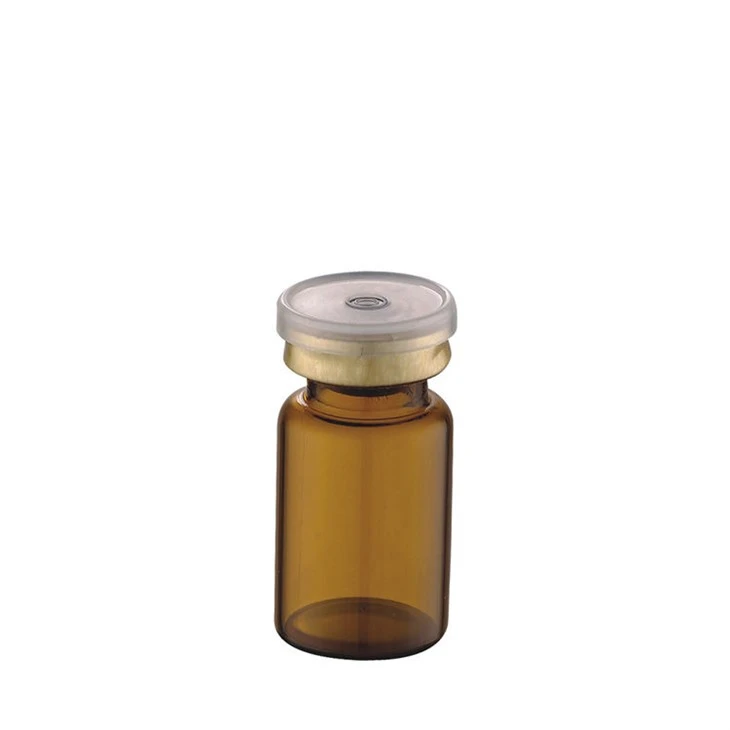
- Glass Vials: Our glass 1 ml vials are made from high-quality borosilicate glass, which has excellent chemical resistance and can withstand extreme cold temperatures. They are available with either screw caps or snap caps, depending on the customer's preference.
- Plastic Vials: Our plastic 1 ml vials are made from polypropylene, which is a flexible and durable material that is suitable for cryogenic storage. They are available with screw caps and are designed to provide a tight seal.
In addition to our standard 1 ml vials, we also offer custom options to meet the specific needs of our customers. We can provide vials with different shapes, sizes, and closures, as well as custom labeling and printing.
Other Vial Options
If you are looking for vials with different volumes, we also offer a variety of other options, including Penicillin Bottle 30ml, 20ml Amber Glass Bottle Medicine, and Small Glass Bottle. These vials are also suitable for a wide range of applications, including cryogenic storage.
Conclusion
In conclusion, 1 ml vials can be used for storing cryogenic samples, but it is important to consider the specific requirements of the application and choose the right type of vial. Glass and plastic vials both have their advantages and disadvantages, and the choice will depend on factors such as the sample type, storage conditions, and handling requirements.
As a supplier of 1 ml vials, we are committed to providing high-quality products and excellent customer service. If you have any questions about our vials or need help choosing the right vial for your application, please do not hesitate to contact us. We look forward to working with you to meet your cryogenic storage needs.
References
- Smith, J. D., & Jones, A. B. (2018). Cryogenic storage of biological samples: A review. Journal of Biotechnology, 270, 1-10.
- Brown, C. E., & Green, D. F. (2019). Materials for cryogenic applications. In Handbook of Cryogenic Engineering (pp. 1-20). Springer.
- White, R. M., & Black, S. W. (2020). Sealing technologies for cryogenic vials. Journal of Pharmaceutical Sciences, 109(5), 1567-1575.