

Are mini bottles glass environmentally friendly? That's a question I've been asked a lot lately, especially as more and more people are becoming conscious of their environmental impact. As a supplier of Mini Bottles Glass, I've done a fair bit of research on this topic, and I'm excited to share my findings with you.
First off, let's talk about what makes glass a great material in general. Glass is 100% recyclable. It can be recycled over and over again without losing its quality or purity. When you compare it to other materials like plastic, which can only be recycled a limited number of times and often degrades in quality, glass really shines. According to the Glass Packaging Institute, recycling glass saves a significant amount of energy. For every ton of glass recycled, it can save enough energy to power an average household for about 24 hours. That's pretty impressive!
Now, let's zero in on mini glass bottles. These little guys have a lot going for them in terms of being eco - friendly. One of the big advantages is their size. Mini glass bottles use less raw material compared to larger glass containers. Since glass is made from sand, soda ash, and limestone, using less of these materials in production means less mining and extraction. This reduces the environmental impact associated with getting these raw materials out of the ground.

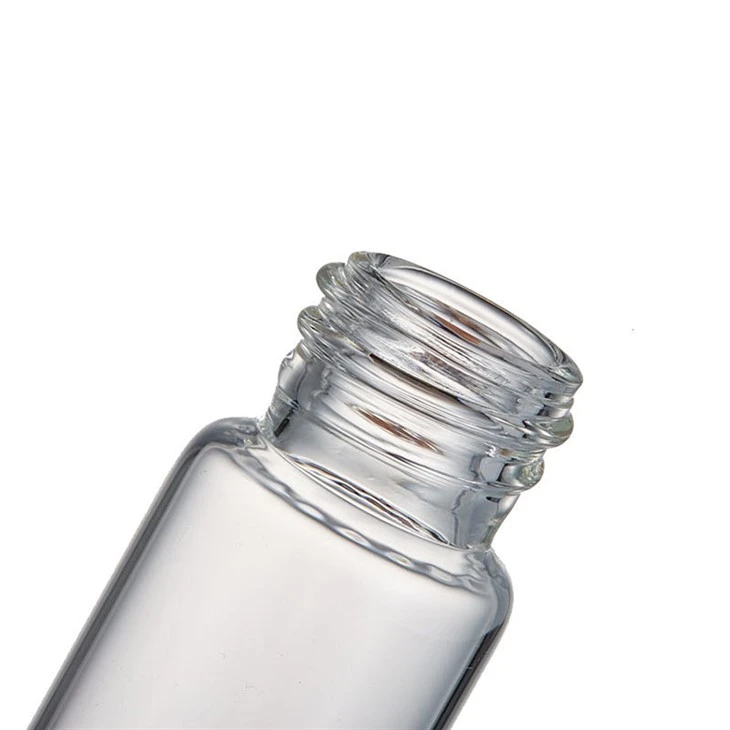
Another point to consider is that mini glass bottles are often used for products that are portion - controlled. Think about perfume samples in 1 Ml Vials or small amounts of essential oils. By providing these products in mini bottles, companies can reduce waste. Consumers are less likely to throw away half - used large bottles because they can use up the smaller quantity in the mini bottle more easily. This helps cut down on product waste, which is a huge part of the environmental equation.
But it's not all sunshine and rainbows. There are some aspects where mini glass bottles might not be as environmentally friendly as we'd like. The production process of glass, even for mini bottles, requires a lot of energy. Glass has to be melted at very high temperatures, which usually involves burning fossil fuels in traditional manufacturing plants. This releases greenhouse gases into the atmosphere, contributing to climate change.
Transportation is another factor. Mini glass bottles are lighter than larger ones, but because they are often used in large quantities, shipping them can still have an environmental cost. Each individual bottle needs to be packed securely to prevent breakage, and all that packaging material can add up. If the bottles are being shipped long distances, the carbon emissions from the transportation can be significant.
However, there are ways to mitigate these negative impacts. Many glass manufacturers are now switching to more sustainable energy sources like natural gas or even solar power to heat their furnaces. This reduces the carbon footprint of the production process. And as for transportation, companies can optimize their shipping routes and use more fuel - efficient vehicles.
In the world of packaging, mini glass bottles also have an edge over other materials in terms of product protection. Glass is non - porous, which means it doesn't interact with the contents inside. This is great for products like pharmaceuticals, where you don't want any chemical reactions between the packaging and the medicine. For example, Penicillin Bottle and Penicillin Bottle 10ml are used to store penicillin safely. Since the glass doesn't leach any harmful substances into the medicine, it ensures the product's integrity and reduces the need for additional preservatives. This is not only better for the consumer's health but also for the environment because fewer chemicals are being used.
When it comes to recycling, mini glass bottles face a few challenges. Sometimes, they can be too small to be easily sorted in recycling facilities. However, many recycling centers are now upgrading their equipment to handle smaller items. And consumers can play a role too. By making sure to separate their mini glass bottles from other waste and putting them in the recycling bin, they can help ensure that these bottles get a second life.
Overall, I'd say that mini glass bottles have a high potential to be environmentally friendly. While there are some areas that need improvement, the benefits in terms of recyclability, product protection, and reduced waste make them a good choice for many applications.
If you're in the market for high - quality mini glass bottles, whether it's for your perfume line, essential oil business, or pharmaceutical products, I'd love to talk to you. I've seen firsthand how these bottles can add value to your products while also being a more sustainable option. So, don't hesitate to reach out and start a conversation about your packaging needs.
References
Glass Packaging Institute. (Year). Energy savings from glass recycling.
Personal research and experience as a Mini Bottles Glass supplier.