

What is the light - blocking ability of a penicillin bottle?
As a well - established penicillin bottle supplier, I've witnessed firsthand the importance of understanding the light - blocking ability of these essential medical containers. Penicillin bottles, also known as vials, are widely used in the pharmaceutical industry to store various medications, including antibiotics, vaccines, and other sensitive substances. The light - blocking ability of these bottles can significantly impact the stability and efficacy of the drugs they hold.
The Significance of Light - Blocking in Penicillin Bottles
Light, especially ultraviolet (UV) and visible light, can initiate chemical reactions within medications. These reactions may lead to the degradation of active pharmaceutical ingredients (APIs), resulting in a loss of potency, the formation of impurities, and potential changes in the physical and chemical properties of the drug. For example, some drugs are prone to oxidation when exposed to light, which can alter their molecular structure and reduce their therapeutic effect.
Penicillin bottles with good light - blocking capabilities act as a shield, protecting the contents from the harmful effects of light. This is crucial for maintaining the quality and safety of medications throughout their shelf - life. By minimizing light exposure, the risk of drug degradation is reduced, ensuring that patients receive medications that are as effective as intended.
Factors Affecting the Light - Blocking Ability of Penicillin Bottles
Several factors contribute to the light - blocking ability of penicillin bottles. The most obvious one is the type of glass used in manufacturing. There are mainly two types of glass commonly used for penicillin bottles: clear glass and amber glass.
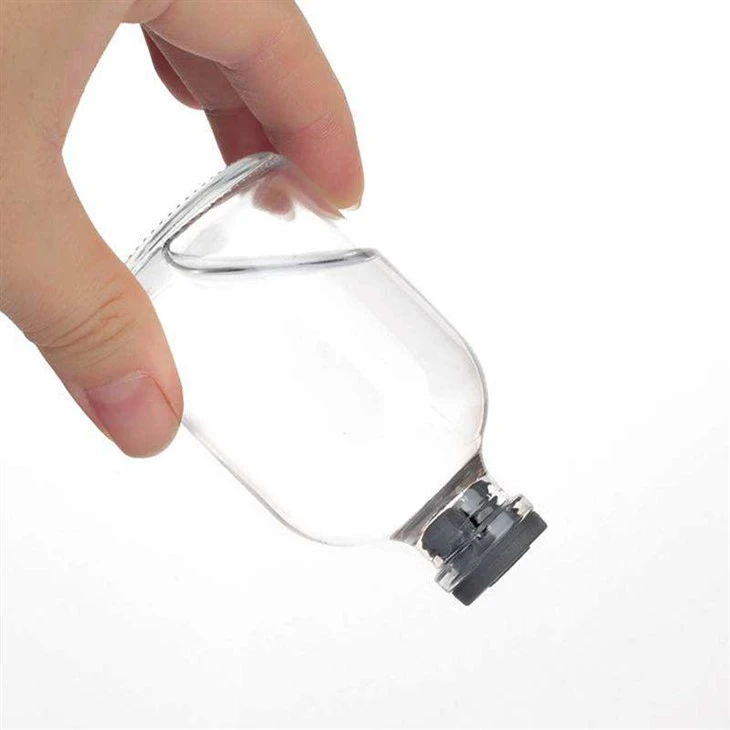
Clear glass, as the name suggests, allows a significant amount of light to pass through. It is often used for medications that are not particularly sensitive to light or when visual inspection of the contents is necessary. However, its light - blocking ability is relatively poor compared to amber glass. You can find Clear Medicine Bottle on our website, which are suitable for certain non - light - sensitive drugs.
Amber glass, on the other hand, contains additives that absorb and block a large portion of UV and visible light. The brownish - yellow color of amber glass acts as a natural filter, reducing the amount of light that reaches the contents of the vial. This makes it an ideal choice for storing light - sensitive medications. Our Glass Medical Vials in amber glass provide excellent light - blocking protection for your valuable drugs.
The thickness of the glass also plays a role in light - blocking. Thicker glass generally blocks more light than thinner glass. However, increasing the thickness too much may also increase the cost and weight of the vial, so a balance needs to be struck between light - blocking and other practical considerations.
Measuring the Light - Blocking Ability
The light - blocking ability of penicillin bottles can be measured using a spectrophotometer. This instrument measures the amount of light absorbed or transmitted by a sample at different wavelengths. By analyzing the transmittance spectrum of a penicillin bottle, we can determine how well it blocks light in the UV and visible regions.
Typically, the light - blocking performance is expressed as the percentage of light transmitted through the bottle. For example, if a bottle has a transmittance of 10% at a certain wavelength, it means that only 10% of the light at that wavelength can pass through the bottle, while 90% is absorbed or reflected.
Applications Based on Light - Blocking Ability
The choice of penicillin bottle based on light - blocking ability depends on the nature of the medication. For drugs that are highly sensitive to light, such as some antibiotics and photosensitive compounds, amber glass vials are the preferred option. These vials can protect the drugs from light - induced degradation, ensuring their stability and efficacy over time.
On the other hand, for medications that are less sensitive to light or when visual inspection is crucial, clear glass vials may be used. For instance, some liquid medications that need to be checked for signs of precipitation or discoloration are often stored in clear glass 15ml Glass Bottle.
Quality Control and Assurance
As a penicillin bottle supplier, we understand the importance of quality control in ensuring the light - blocking ability of our products. We have strict manufacturing processes in place to ensure that each bottle meets the required standards.
During the production of amber glass vials, we carefully control the composition and concentration of the light - absorbing additives to ensure consistent light - blocking performance. We also conduct regular quality checks using spectrophotometers to verify the light - blocking ability of our products.
In addition, we test the durability of the glass to ensure that it can withstand the rigors of transportation and storage without compromising its light - blocking function. This includes testing for resistance to breakage, chemical corrosion, and other factors that could potentially affect the integrity of the vial.
Future Trends in Penicillin Bottle Light - Blocking Technology
The pharmaceutical industry is constantly evolving, and so is the technology related to penicillin bottle light - blocking. There is a growing demand for more advanced light - blocking materials and designs.
One trend is the development of smart vials that can provide real - time information about the light exposure of the contents. These vials may incorporate sensors that can detect and record the amount of light the vial has been exposed to over time. This information can be used to determine the remaining shelf - life of the medication and to ensure its quality.

Another area of research is the improvement of light - blocking coatings. Scientists are exploring the use of thin films and coatings that can be applied to the surface of penicillin bottles to enhance their light - blocking ability. These coatings could potentially be more cost - effective and offer better performance than traditional glass additives.
Conclusion
In conclusion, the light - blocking ability of penicillin bottles is a critical factor in maintaining the quality and efficacy of medications. As a penicillin bottle supplier, we are committed to providing high - quality vials that offer excellent light - blocking protection. Whether you need clear glass vials for visual inspection or amber glass vials for light - sensitive drugs, we have the right products for you.
If you are in the pharmaceutical industry and are looking for reliable penicillin bottles, we invite you to contact us for more information and to discuss your specific requirements. Our team of experts is ready to assist you in finding the best solutions for your drug storage needs.
References
- Pharmaceutical Packaging Handbook, edited by Wilmer A. Jenkins and James P. Harrington.
- Journal of Pharmaceutical Sciences, various issues related to drug stability and packaging.
- European Pharmacopoeia, guidelines on pharmaceutical packaging materials and their light - blocking requirements.