

Hey there! As a penicillin bottle supplier, I often get asked a bunch of questions about these little guys. One of the most common queries I hear is, "Do penicillin bottles need to be refrigerated?" Well, let's dive right into it and break it down.
First off, it's essential to understand what penicillin bottles are for. These bottles are designed to store penicillin, a powerful antibiotic that has saved countless lives since its discovery. Penicillin is sensitive to various environmental factors, including temperature. So, the question of refrigeration isn't just random; it's crucial for maintaining the effectiveness of the medicine inside.
Now, whether penicillin bottles need to be refrigerated depends on a few things. Let's start with the type of penicillin. There are different forms of penicillin, such as liquid and powder. Liquid penicillin is generally more sensitive to temperature changes compared to the powder form.
If you're dealing with liquid penicillin, refrigeration is often recommended. The cold temperature helps slow down the degradation process of the antibiotic. Bacteria and other microorganisms can grow in liquid medications over time, especially at room temperature. By keeping the liquid penicillin in the fridge, you can extend its shelf - life and ensure its potency.
On the other hand, powder penicillin is a bit more forgiving. It can usually be stored at room temperature for a certain period. However, once the powder is reconstituted (mixed with a liquid to make it ready for use), it should be treated like liquid penicillin and refrigerated.
Another factor to consider is the storage conditions during transportation. If the penicillin bottles are being shipped over long distances, proper temperature control is vital. Specialized shipping containers with temperature - regulating features are often used to ensure that the medicine remains within the recommended temperature range.
As a penicillin bottle supplier, I've seen firsthand the importance of proper storage. We supply a variety of bottles suitable for penicillin storage, like the Freeze-dried Powder Bottle. These bottles are designed to keep the penicillin powder safe and protected. They are made of high - quality glass that can withstand different temperatures and protect the contents from light and air, which can also affect the stability of the medicine.
We also offer Small Medicine Bottle options. These are great for storing smaller doses of penicillin, especially for individual patients or in cases where only a small amount of the medicine is needed. The small size makes them convenient for storage and transportation.
And for those who need even smaller quantities, our 1ml Glass Bottle is a perfect choice. It's ideal for storing concentrated forms of penicillin or for use in research settings where precise dosing is required.
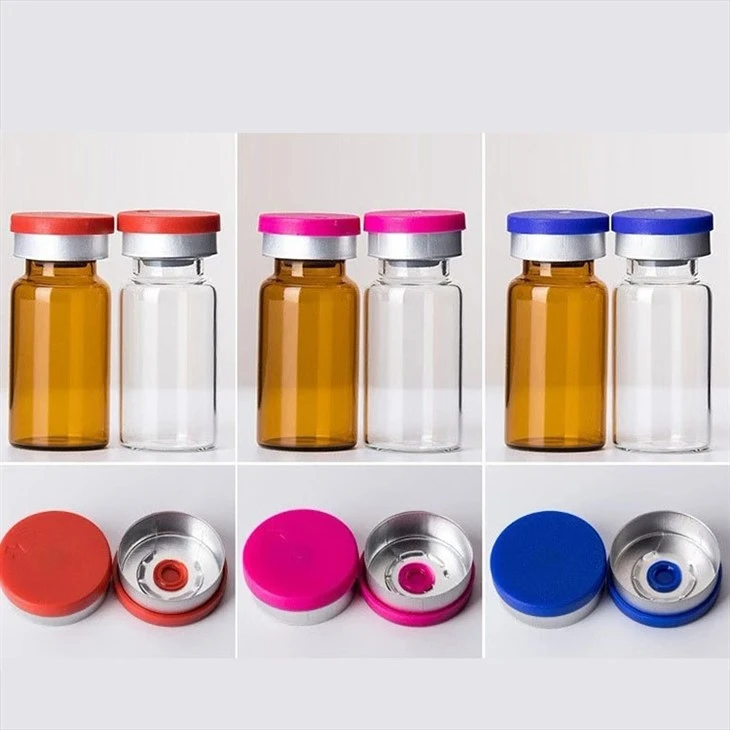

When it comes to the actual refrigeration of penicillin bottles, there are a few things to keep in mind. First, make sure the fridge is clean and free of any contaminants. You don't want any bacteria or mold from other food items getting into the penicillin. Also, don't store the bottles near the back of the fridge where it might be too cold or near the door where the temperature can fluctuate when the door is opened and closed.
It's also important to label the penicillin bottles clearly. Include the date of storage, the type of penicillin, and any other relevant information. This will help you keep track of the medicine's expiration date and ensure that you're using it within the recommended time frame.
Now, let's talk about the signs that penicillin might have gone bad. If you notice any changes in the color, smell, or consistency of the penicillin, it's a red flag. For example, if liquid penicillin starts to look cloudy or has particles floating in it, it's probably time to discard it. Using expired or degraded penicillin can be ineffective at best and dangerous at worst, as it may not treat the infection properly and could lead to antibiotic resistance.
As a supplier, we're always looking for ways to improve the quality of our penicillin bottles. We work closely with manufacturers to ensure that the bottles meet the highest standards of quality and safety. This includes using the right type of glass, proper sealing techniques, and ensuring that the bottles are tested for any potential defects.
In conclusion, while penicillin bottles don't always need to be refrigerated, it's often a good idea, especially for liquid penicillin and reconstituted powder. Proper storage is crucial for maintaining the effectiveness of the medicine. And if you're in the market for high - quality penicillin bottles, we've got you covered. Whether you need Freeze-dried Powder Bottle, Small Medicine Bottle, or 1ml Glass Bottle, we can provide you with the right solution.
If you're interested in purchasing our penicillin bottles, feel free to reach out to us for more information and to start a procurement discussion. We're here to help you find the best products for your needs.
References
- "Antibiotic Storage Guidelines," World Health Organization.
- "Penicillin: Properties and Storage," Journal of Pharmaceutical Sciences.
- "The Importance of Proper Medicine Storage," American Pharmacists Association.