

Hey there! As a supplier of medical vials, I often get asked if medical vials can be used for storing antibiotics. Well, let's dive right into this topic and break it down.
First off, what are medical vials? Medical vials are small containers, usually made of glass or plastic, designed to hold various types of medications, including antibiotics. They come in different sizes and shapes, and are sealed to keep the contents safe and sterile.
Now, can they be used for storing antibiotics? The short answer is yes, but there are some important factors to consider.
Compatibility of Materials
One of the most crucial aspects is the compatibility between the vial material and the antibiotic. Glass vials are a popular choice because they are inert. That means they don't react chemically with most antibiotics. This is super important because any chemical reaction could change the effectiveness of the antibiotic or even make it harmful.
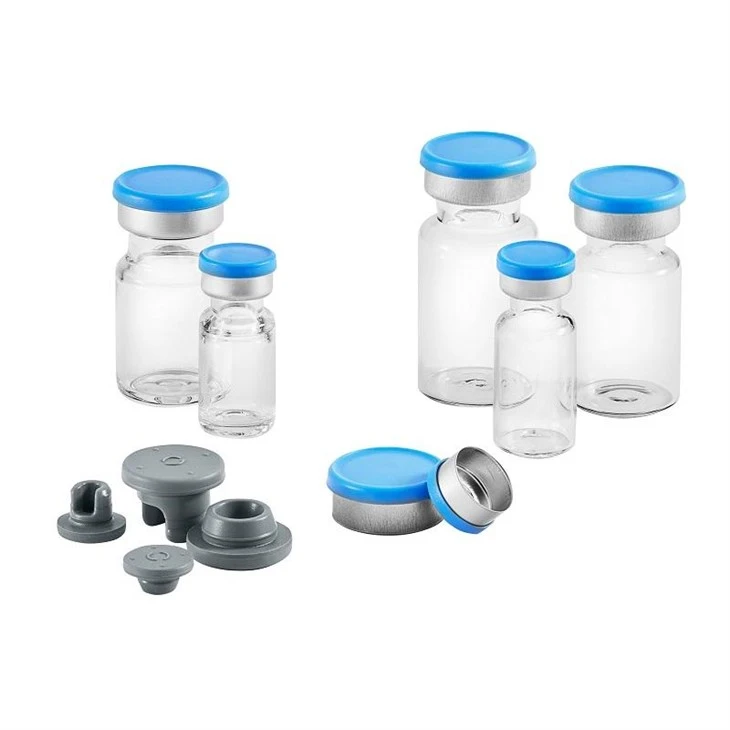
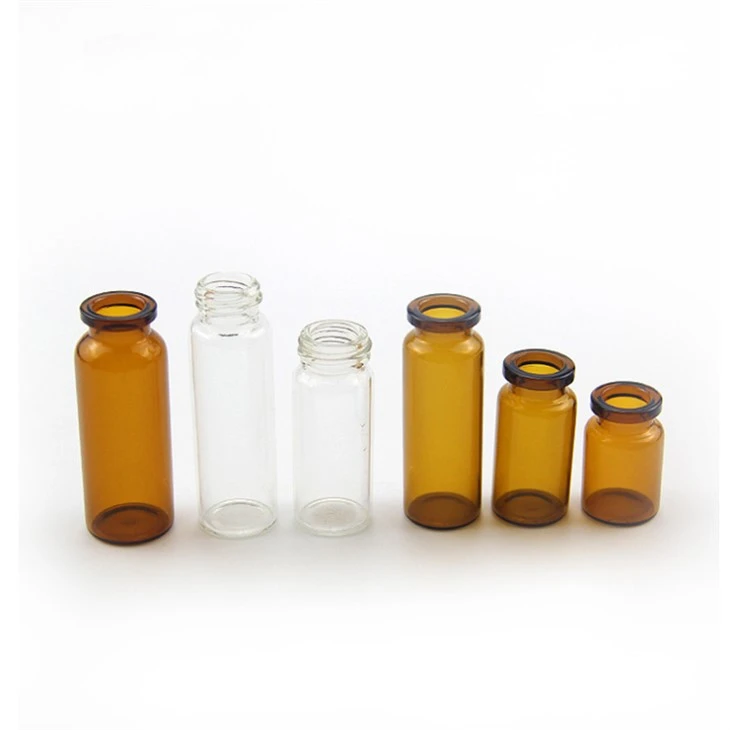
For example, some antibiotics are sensitive to light. Glass vials can be made of amber glass, which provides excellent protection against light. This helps to maintain the stability of the antibiotic over time. You can check out our Glass Bottle with Aluminum Cap which is a great option for storing light - sensitive antibiotics. The aluminum cap provides an extra layer of protection and ensures a tight seal.
On the other hand, plastic vials are also used, but they need to be carefully selected. Some plastics may leach chemicals into the antibiotic solution, especially if the antibiotic has a certain pH level or is in a liquid form. So, when using plastic vials, it's essential to make sure they are specifically designed for pharmaceutical use.
Sterility
Antibiotics are used to fight off infections, so it's obvious that the vials in which they are stored need to be sterile. Medical vials are manufactured under strict quality control conditions to ensure they are free from any contaminants. This is achieved through processes like washing, sterilization using heat or chemicals, and then sealing in a clean environment.
When antibiotics are filled into the vials, the filling process also needs to be done in a sterile environment. Any contamination during filling can render the antibiotic ineffective or even cause harm to the patient. Our Medicine Packaging Bottle goes through a rigorous sterilization process to guarantee the highest level of sterility.
Storage Conditions
Even if the vial is suitable for storing antibiotics, the storage conditions matter a lot. Antibiotics usually need to be stored at a specific temperature range. Some need to be kept in a cool place, while others can be stored at room temperature.
If the storage temperature is too high, it can cause the antibiotic to degrade. For instance, some liquid antibiotics may start to break down if they are exposed to high temperatures for an extended period. On the other hand, if it's too cold, the antibiotic may crystallize or change its physical state, which can also affect its effectiveness.
Our vials are designed to withstand a certain range of temperatures, but it's still important for the end - user to follow the storage instructions provided with the antibiotic. The 15ml Glass Bottle is a good choice for smaller quantities of antibiotics that may need to be stored in a specific temperature - controlled environment.
Shelf Life
The shelf life of an antibiotic is affected by the vial in which it is stored. A well - sealed and suitable vial can help extend the shelf life of the antibiotic. This is because it protects the antibiotic from external factors such as air, moisture, and light.
For example, if an antibiotic is stored in a vial that allows air to seep in, the oxygen in the air can react with the antibiotic and cause it to break down. A good vial with a proper seal, like our glass vials with aluminum caps, can prevent this from happening and keep the antibiotic effective for a longer time.
Types of Antibiotics
Different types of antibiotics have different requirements. Some antibiotics are in powder form, and they are reconstituted with a liquid just before use. For these, the vial needs to be able to withstand the process of adding the liquid and mixing without any issues.
Liquid antibiotics, on the other hand, need a vial that can prevent leakage and evaporation. Our vials are designed to meet these different needs. Whether it's a powder or liquid antibiotic, we have the right vial for the job.
Regulatory Requirements
The use of medical vials for storing antibiotics is also regulated by various authorities. These regulations ensure that the vials are safe and suitable for pharmaceutical use. As a supplier, we comply with all the relevant regulations to make sure our vials are of the highest quality.
So, in conclusion, medical vials can definitely be used for storing antibiotics, but it's important to choose the right vial based on the type of antibiotic, its storage requirements, and other factors. At our company, we offer a wide range of medical vials that are designed to meet all these needs.
If you're in the market for high - quality medical vials for storing antibiotics, we'd love to have a chat with you. Whether you're a pharmaceutical manufacturer, a hospital, or a pharmacy, we can provide you with the right solutions. Just reach out to us for a discussion on your specific requirements, and we'll work together to find the perfect vial for your antibiotics.
References
- "Pharmaceutical Packaging Technology" by Patrick Coates
- "Handbook of Pharmaceutical Excipients" by Raymond C. Rowe, Paul J. Sheskey, and Marian E. Quinn