

As a supplier of medicine bottles, I've witnessed firsthand the importance of proper labeling for all consumers, especially those with visual impairments. In this blog post, I'll explore the best ways to label a medicine bottle for visually impaired individuals, ensuring they can access vital information about their medications safely and independently.
Understanding the Needs of Visually Impaired Individuals
Before delving into labeling solutions, it's crucial to understand the challenges faced by visually impaired people when it comes to accessing medication information. Many rely on tactile and auditory cues to identify and manage their medications. For example, they may use Braille, large - print labels, or audio - based systems.
According to the World Health Organization, approximately 2.2 billion people have a vision impairment, and a significant portion of them use prescription medications. Ensuring that these individuals can accurately identify their medications is not only a matter of convenience but also a critical safety issue. Incorrectly taking medications can lead to serious health consequences, so effective labeling is of utmost importance.
Tactile Labeling Solutions
One of the most common and effective ways to label medicine bottles for the visually impaired is through tactile methods. Braille is a well - known tactile writing system that uses raised dots to represent letters and numbers. By including Braille labels on medicine bottles, visually impaired individuals can read the name of the medication, dosage instructions, and other important information.
Braille labels can be directly embossed on the bottle or added as a separate sticker. When embossing on the bottle, it's important to ensure that the Braille dots are of the correct size and depth. The standard size for Braille dots is 1.4 - 1.6 mm in diameter, with a height of at least 0.2 mm. This ensures that they can be easily felt by the fingertips.
Another tactile option is the use of raised symbols or shapes. For example, different medications could be labeled with unique raised shapes such as circles, squares, or triangles. This can be a quick and easy way for visually impaired individuals to distinguish between different bottles. However, it's important to have a clear key or system in place so that they know what each shape represents.
Large - Print Labels
In addition to tactile labels, large - print labels are also essential. While they may not be useful for those with severe visual impairments, they can benefit individuals with low vision. Large - print labels should use a font size of at least 18 points and a high - contrast color scheme, such as black text on a white background.
When designing large - print labels, it's important to keep the information concise and easy to read. Avoid using small symbols or fine details that may be difficult to distinguish. The label should prominently display the name of the medication, dosage, and any special instructions.
Audio - Based Labeling
Audio - based labeling systems are becoming increasingly popular for visually impaired individuals. These systems can use QR codes, near - field communication (NFC) tags, or radio - frequency identification (RFID) technology. When a visually impaired person scans the code or tag on the medicine bottle using a smartphone or a dedicated device, they can hear the medication information in an audible format.
For example, a person can scan the QR code on the Amber Glass Bottle and instantly hear details about the medication, including its name, dosage, and potential side effects. This technology provides a convenient and accurate way to access information, especially for those who may have difficulty reading Braille or large - print labels.
Multimodal Labeling
To provide the most comprehensive solution, multimodal labeling that combines tactile, large - print, and audio - based methods is recommended. This approach ensures that visually impaired individuals with different levels of visual ability can access the information they need.
For instance, a Medicine Packaging Bottle could have a Braille label on one side, a large - print label on the other, and an NFC tag that can be scanned for audio information. This way, regardless of whether the person prefers to use touch, sight, or sound to access the information, they can do so easily.
Considerations for Bottle Design
In addition to the labeling itself, the design of the medicine bottle can also play a role in making it more accessible for visually impaired individuals. Bottles should have a consistent shape and size for each type of medication. For example, all bottles of a particular brand or class of medications could have the same shape, making it easier for visually impaired people to identify them by touch.
The cap of the bottle should also be designed in a way that is easy to open and close. Some bottles use child - resistant caps, which can be difficult for visually impaired individuals to operate. Specialized caps that are both child - resistant and easy to use for the visually impaired are available and should be considered.
Our Role as a Medicine Bottle Supplier
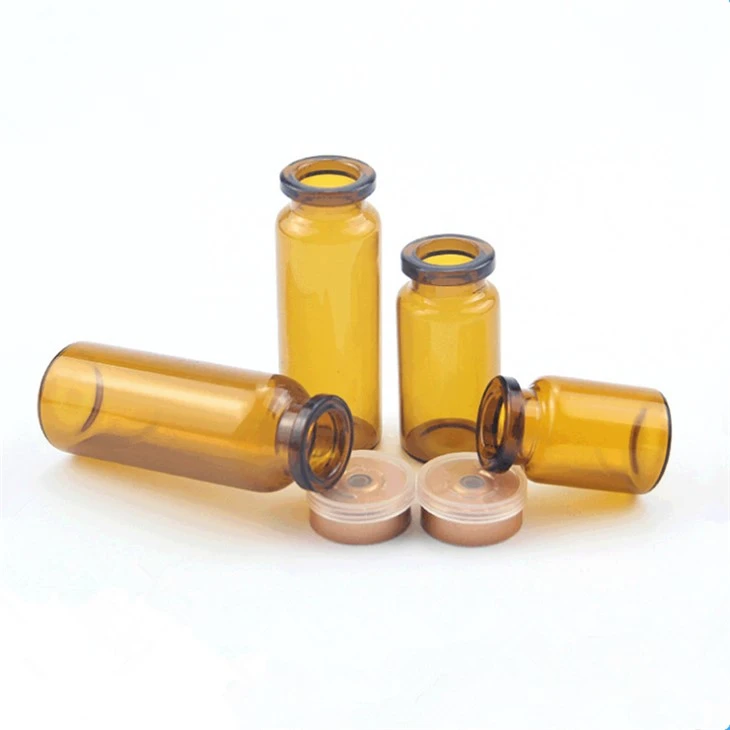
As a medicine bottle supplier, we have a responsibility to provide bottles that are accessible for all consumers, including those with visual impairments. We offer a wide range of bottles, such as the 2ml Glass Bottle, that can be customized with various labeling options.
We work closely with our clients to ensure that the labeling meets the specific needs of their target audience. Whether it's embossing Braille on the bottle, printing large - print labels, or integrating audio - based technology, we have the expertise and resources to provide effective solutions.

Contact Us for Procurement
If you're in the market for medicine bottles with accessible labeling options, we'd love to hear from you. We can provide customized solutions to meet your specific requirements. Whether you're a pharmaceutical company, a healthcare provider, or an organization serving visually impaired individuals, we have the products and services to support you. Reach out to us to start a discussion about your procurement needs.
References
- World Health Organization. (2021). World Report on Vision.
- American Foundation for the Blind. (2022). Accessible Medication Packaging.
- International Organization for Standardization. (2019). ISO 11548:2019 - Braille coding for text.