

Storing liquids in glass bottles is a practice that dates back centuries, valued for its safety, durability, and ability to preserve the quality of the contents. As a leading glass bottle supplier, I've witnessed firsthand the importance of proper liquid storage in glass containers. In this blog, I'll share some essential tips and guidelines on how to store liquids in a glass bottle effectively.

Choosing the Right Glass Bottle
The first step in storing liquids in a glass bottle is selecting the appropriate type of bottle. Different liquids have different requirements, so it's crucial to choose a bottle that is suitable for the specific liquid you want to store.
- Material and Quality: Opt for high - quality glass bottles made from borosilicate or soda - lime glass. Borosilicate glass is more resistant to thermal shock and chemical corrosion, making it ideal for storing acidic or alkaline liquids. Soda - lime glass is a more common and cost - effective option, suitable for storing a wide range of non - corrosive liquids.
- Size and Shape: Consider the volume of the liquid you need to store. For small quantities, 2ml Glass Bottle can be a great choice, while larger volumes may require bigger bottles. The shape of the bottle also matters; for example, tall and narrow bottles are good for minimizing surface area exposure, which can help reduce evaporation.
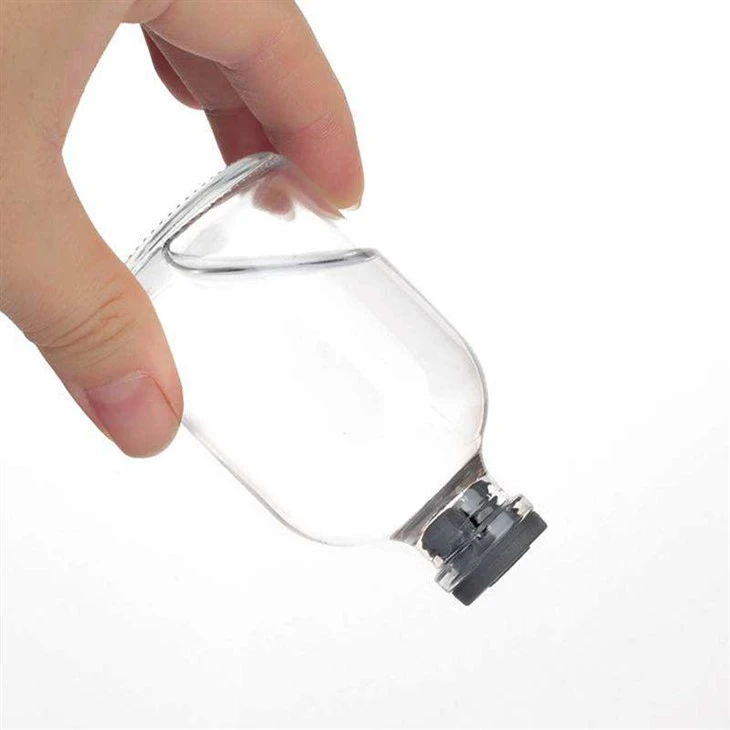
- Purpose - Specific Bottles: If you're storing medicine, Clear Medicine Bottle are designed to protect the contents from light and ensure proper dosage measurement. For injectable liquids, Glass Injection Vials are the go - to option as they are designed to maintain sterility.
Preparing the Glass Bottle
Before filling the glass bottle with liquid, it's essential to prepare it properly to ensure the safety and quality of the stored liquid.
- Cleaning: Thoroughly clean the glass bottle with warm, soapy water. Use a bottle brush to reach all the corners and remove any dirt or debris. Rinse the bottle several times with clean water to ensure no soap residue remains.
- Sterilization: For storing liquids that require a sterile environment, such as medications or some food products, sterilize the glass bottle. You can do this by boiling the bottle in water for at least 10 - 15 minutes or by using a steam sterilizer. After sterilization, handle the bottle with clean, dry hands or sterile utensils to prevent contamination.
- Drying: Allow the glass bottle to dry completely before filling it with liquid. You can let it air - dry upside down on a clean towel or use a clean, lint - free cloth to dry it. Moisture inside the bottle can promote the growth of bacteria and affect the quality of the stored liquid.
Filling the Glass Bottle
When filling the glass bottle, there are several factors to keep in mind to ensure proper storage.
- Leaving Headspace: Leave some headspace at the top of the bottle. This is especially important for liquids that may expand when heated or frozen. A general rule of thumb is to leave about 10 - 20% of the bottle's volume as headspace.
- Avoiding Contamination: Use a funnel or a pipette to fill the bottle, especially for small - necked bottles. This helps prevent spills and reduces the risk of contamination. Make sure the utensil you use is clean and dry.
- Sealing Properly: Once the bottle is filled, seal it tightly with a suitable cap or stopper. The type of seal depends on the liquid and the storage conditions. For example, screw - top caps are common for many household liquids, while rubber stoppers are often used for medical vials. Ensure that the seal is airtight to prevent evaporation and contamination.
Storing the Filled Glass Bottle
The storage conditions of the filled glass bottle are crucial for maintaining the quality of the liquid.
- Temperature: Different liquids have different temperature requirements. Some liquids, such as certain medications, need to be stored in a cool, dark place, while others may be more tolerant of room temperature. Avoid exposing the glass bottle to extreme temperatures, as this can cause the glass to crack or the liquid to expand and leak.
- Light: Light can degrade many liquids, especially those containing sensitive compounds. Store glass bottles in a dark place or use amber - colored glass bottles, which provide better protection against light. This is particularly important for storing essential oils, vitamins, and some medications.
- Position: Store the glass bottle in an upright position to prevent leakage. However, if the liquid has sediment or needs to be mixed regularly, you may need to store it horizontally to ensure proper mixing.
Monitoring and Maintenance
Regular monitoring and maintenance of the stored glass bottles are necessary to ensure the quality of the liquids.
- Inspection: Periodically check the glass bottle for any signs of damage, such as cracks or chips. Also, check the seal to make sure it is still airtight. If you notice any issues, transfer the liquid to a new, suitable glass bottle immediately.
- Expiration Dates: Keep track of the expiration dates of the liquids. Even when stored properly, liquids can degrade over time. Dispose of expired liquids safely and in accordance with local regulations.
Conclusion
Storing liquids in glass bottles is a reliable and effective way to preserve their quality. By choosing the right glass bottle, preparing it properly, filling it correctly, and storing it under appropriate conditions, you can ensure that your liquids remain safe and usable for an extended period.
As a glass bottle supplier, I'm committed to providing high - quality glass bottles that meet the diverse needs of our customers. Whether you're a pharmaceutical company, a food and beverage producer, or an individual looking for a safe way to store your homemade concoctions, we have the right glass bottle for you. If you're interested in purchasing glass bottles for your liquid storage needs, please feel free to contact us for more information and to discuss your specific requirements.
References
- "Handbook of Glass Properties" by Manfred Reichelt
- "Principles of Food Preservation" by Norman F. Olson
- "Pharmaceutical Packaging Technology" by Andrew T. Florence