

As a trusted supplier of rubber vial stoppers, I've encountered numerous inquiries from clients regarding the proper storage of these essential components. Rubber vial stoppers play a pivotal role in maintaining the integrity of various products, particularly in the pharmaceutical and medical industries. Therefore, understanding the specific storage conditions is crucial to ensure their quality and performance.
Understanding the Nature of Rubber Vial Stoppers
Rubber vial stoppers are typically made from natural rubber, synthetic rubber, or a combination of both. These materials possess unique properties that make them suitable for sealing vials, such as elasticity, chemical resistance, and low permeability. However, these properties can be affected by various environmental factors during storage.
Temperature
Temperature is one of the most critical factors influencing the storage of rubber vial stoppers. Extreme temperatures can cause the rubber to harden, crack, or lose its elasticity. For most rubber vial stoppers, the ideal storage temperature ranges between 20°C and 25°C (68°F and 77°F). Storing stoppers at temperatures below this range can lead to brittleness, making them more prone to breakage during handling. On the other hand, high temperatures can accelerate the aging process of the rubber, causing it to become soft and sticky.
It's important to note that sudden temperature changes should also be avoided. For example, moving stoppers from a cold storage area to a warm environment can cause condensation to form on the surface of the stoppers, which may lead to microbial growth or affect the chemical properties of the rubber.
Humidity
Humidity levels can also have a significant impact on the quality of rubber vial stoppers. Excessive humidity can cause the rubber to absorb moisture, leading to swelling, softening, and a decrease in its mechanical properties. This can result in poor sealing performance and an increased risk of contamination. Conversely, low humidity can cause the rubber to dry out, making it brittle and less flexible.
The recommended relative humidity for storing rubber vial stoppers is between 40% and 60%. To maintain these humidity levels, it's advisable to store the stoppers in a controlled environment, such as a storage room equipped with a humidifier or dehumidifier.
Light
Exposure to light, especially ultraviolet (UV) light, can cause the rubber to degrade over time. UV light can break down the chemical bonds in the rubber, leading to discoloration, loss of elasticity, and a decrease in its overall performance. Therefore, rubber vial stoppers should be stored in a dark place or in opaque containers to minimize their exposure to light.
Air Quality
The quality of the air in the storage area can also affect the condition of rubber vial stoppers. Airborne pollutants, such as dust, chemicals, and volatile organic compounds (VOCs), can adhere to the surface of the stoppers and contaminate them. Additionally, oxygen in the air can cause the rubber to oxidize, leading to aging and deterioration.
To ensure good air quality, the storage area should be well-ventilated and free from sources of pollution. It's also advisable to store the stoppers in sealed containers to prevent them from coming into contact with the surrounding air.
Best Practices for Storing Rubber Vial Stoppers
Based on the above factors, here are some best practices for storing rubber vial stoppers:
Use Appropriate Packaging
Rubber vial stoppers should be stored in their original packaging or in sealed containers to protect them from environmental factors. The packaging should be made of a material that is resistant to moisture, light, and chemicals. For example, polyethylene or polypropylene bags are commonly used for storing rubber stoppers.
Organize the Storage Area
The storage area should be organized in a way that allows for easy access to the stoppers and minimizes the risk of damage. Stoppers should be stored in a clean, dry, and well-ventilated area, away from sources of heat, light, and moisture. They should also be stored in a way that prevents them from being crushed or deformed.
Implement a First-In, First-Out (FIFO) System
To ensure the freshness and quality of the rubber vial stoppers, it's important to implement a FIFO system. This means that the oldest stoppers should be used first, while the newer ones are stored for later use. By following this system, you can minimize the risk of using expired or deteriorated stoppers.
Regularly Inspect the Stoppers
Regular inspections of the rubber vial stoppers are essential to detect any signs of damage or deterioration. Inspections should be carried out visually, looking for any cracks, discoloration, or changes in the texture of the rubber. If any defects are found, the affected stoppers should be removed from the storage area and discarded.
The Impact of Improper Storage on Rubber Vial Stoppers
Failure to store rubber vial stoppers under the appropriate conditions can have serious consequences for their quality and performance. Here are some of the potential issues that can arise from improper storage:
Poor Sealing Performance
When rubber vial stoppers are exposed to extreme temperatures, humidity, or light, their elasticity and sealing properties can be compromised. This can result in poor sealing performance, allowing air, moisture, or contaminants to enter the vial. In the pharmaceutical industry, this can lead to the degradation of the drug product and a decrease in its efficacy.
Contamination
Improper storage conditions can also increase the risk of contamination. Moisture, dust, and microorganisms can adhere to the surface of the stoppers, which can then be transferred to the contents of the vial. This can pose a significant health risk, especially in the case of medical products.
Shortened Shelf Life
The shelf life of rubber vial stoppers can be significantly reduced if they are not stored properly. Aging, oxidation, and degradation of the rubber can occur more rapidly under unfavorable conditions, leading to a decrease in the quality and performance of the stoppers over time.
Conclusion
In conclusion, there are indeed specific storage conditions for rubber vial stoppers. Temperature, humidity, light, and air quality all play important roles in maintaining the quality and performance of these essential components. By following the best practices outlined in this blog, you can ensure that your rubber vial stoppers remain in optimal condition and provide reliable sealing for your products.
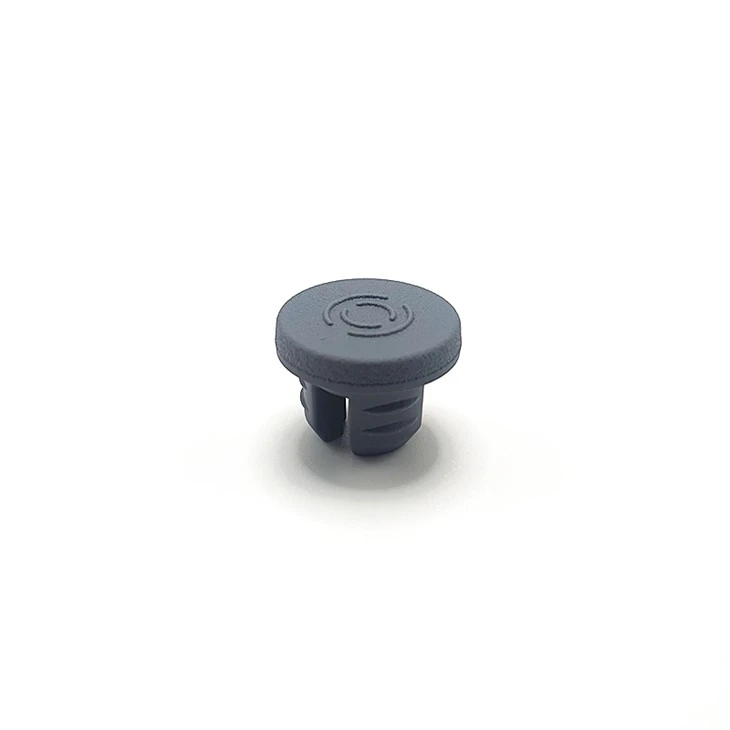
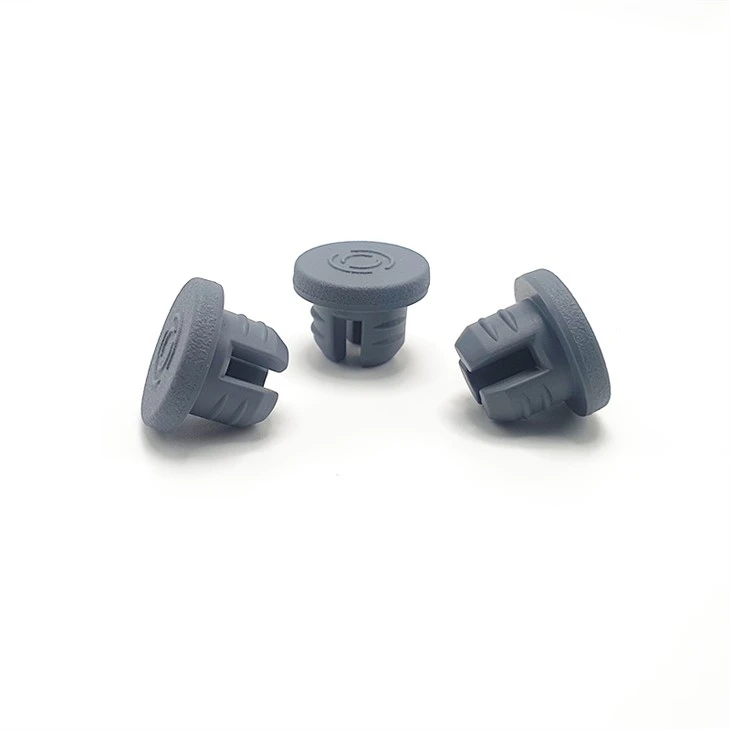
If you are in the market for high-quality rubber vial stoppers, we are here to help. As a leading supplier, we offer a wide range of Medical Rubber Stopper, 26mm Rubber Stoppers, and Pharmacutical Rubber Stopper that meet the highest industry standards. Our products are manufactured using the latest technology and undergo rigorous quality control measures to ensure their reliability and performance.
If you have any questions or would like to discuss your specific requirements, please feel free to contact us. We look forward to the opportunity to work with you and provide you with the best rubber vial stoppers for your needs.
References
- ASTM International. (20XX). Standard Specification for Rubber Stoppers for Pharmaceutical Use.
- ISO (International Organization for Standardization). (20XX). ISO XX:XXXX - Packaging - Requirements for Rubber Stoppers for Medical and Pharmaceutical Applications.
- Pharmaceutical Research and Manufacturers of America (PhRMA). (20XX). Guidelines for the Storage and Handling of Pharmaceutical Products.