

Hey there! As a supplier of glass medical vials, I've been in the thick of the industry for quite some time. One of the most frequently asked questions I get is about the different closures available for glass medical vials. So, I thought I'd put together this blog post to shed some light on this topic.
First off, let's talk about why closures are so important for glass medical vials. These vials are used to store all sorts of medical substances, from vaccines to medications. A proper closure ensures the integrity of the contents, protects them from contamination, and maintains their efficacy over time.
Rubber Stoppers
Rubber stoppers are one of the most common closures for glass medical vials. They're made from high - quality rubber materials that are designed to be compatible with a wide range of medical products. Rubber stoppers create an airtight seal, which is crucial for preventing the entry of air, moisture, and other contaminants.
There are different types of rubber stoppers available. For instance, there are solid rubber stoppers that are used for vials that don't require frequent access. These stoppers provide a very tight seal and are great for long - term storage. On the other hand, there are also self - sealing rubber stoppers. These are often used in vials that need to be accessed multiple times, like those used for injections. The self - sealing feature allows needles to penetrate the stopper and then reseal itself after the needle is removed, maintaining the sterility of the vial.
If you're looking for a reliable and cost - effective option for your glass medical vials, rubber stoppers are a great choice. They're widely used in the industry and have a proven track record of performance. You can check out our Clear Glass Bottle section to see some vials that are commonly paired with rubber stoppers.
Aluminum Caps
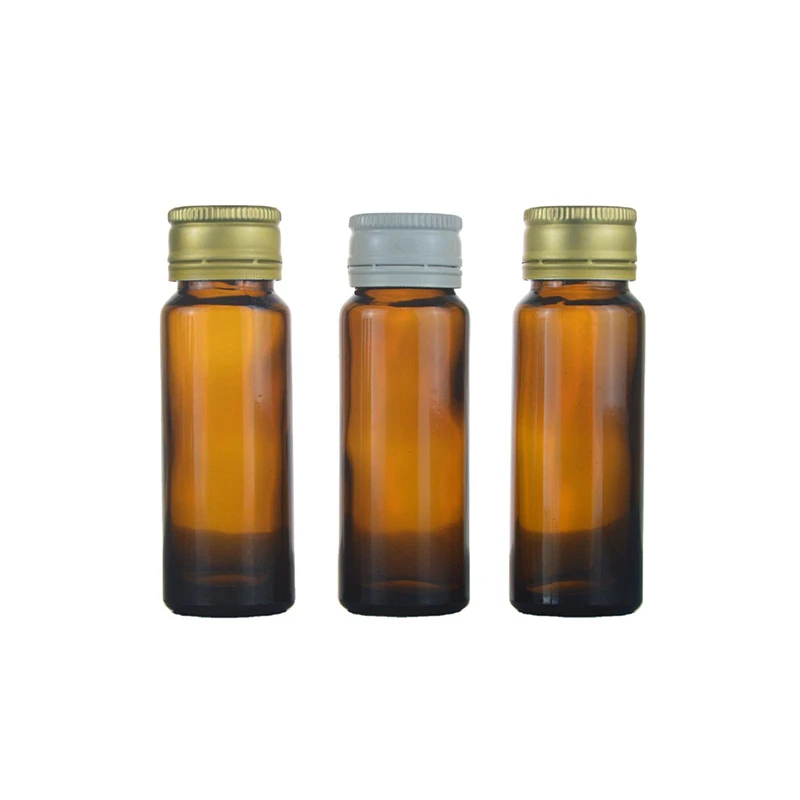
Aluminum caps are another popular closure option. They're often used in combination with rubber stoppers. The aluminum cap provides an extra layer of protection and security. It helps to keep the rubber stopper in place and also adds a tamper - evident feature.
Aluminum caps come in different styles. There are flip - off caps, which are easy to use and provide quick access to the vial. These are commonly used in settings where speed is of the essence, like in emergency rooms. Then there are crimped caps. Crimped caps are more secure and are often used for vials that contain valuable or sensitive medical products. The crimping process ensures a tight fit and makes it difficult to open the vial without leaving a visible sign of tampering.
Our Glass Bottle with Aluminum Cap page showcases some of the vials that come with these types of closures. Aluminum caps not only offer practical benefits but also give a professional and high - end look to the vials.
Plastic Screw Caps
Plastic screw caps are a modern and convenient closure option. They're easy to use, as you simply screw them on and off the vial. These caps are often made from high - quality plastics that are resistant to chemicals and can withstand a range of temperatures.
One of the advantages of plastic screw caps is their reusability. If you need to access the contents of the vial multiple times, you can easily unscrew the cap and then screw it back on. They also come in different colors, which can be useful for color - coding vials based on their contents.
Plastic screw caps are a great option for vials that are used in less critical settings or for products that don't require the same level of airtightness as some other medical substances. However, they still provide a good level of protection against dust and light contamination. You can find some examples of vials using plastic screw caps in our product range, including our Penicillin Bottle 10ml.
Lyophilization Stoppers
Lyophilization, or freeze - drying, is a process used to preserve certain medical products. Lyophilization stoppers are specifically designed for vials that undergo this process. These stoppers have special features that allow for the sublimation of water during the freeze - drying process while still maintaining the sterility of the vial.
Lyophilization stoppers are often made from a combination of rubber and other materials. They have a unique design that allows them to be partially inserted into the vial during the freeze - drying process and then fully seated after the process is complete. This ensures that the vial remains sealed and the product inside is protected.

Selecting the Right Closure
When it comes to choosing the right closure for your glass medical vials, there are several factors to consider. First, think about the nature of the product you'll be storing. If it's a sensitive vaccine that needs to be protected from air and moisture, a rubber stopper with an aluminum cap might be the best choice. If it's a less sensitive product that will be accessed frequently, a plastic screw cap could be more suitable.
You also need to consider the storage conditions. If the vials will be stored in a cold environment, make sure the closure can withstand low temperatures without losing its sealing properties. And of course, cost is always a factor. Some closures are more expensive than others, so you'll need to balance your budget with the level of protection your product requires.
As a supplier, I'm here to help you make the right decision. I've seen firsthand how the choice of closure can impact the quality and shelf - life of medical products. So, if you have any questions or need advice on which closure is best for your specific needs, don't hesitate to reach out.
Whether you're a pharmaceutical company, a research lab, or a medical facility, having the right closure for your glass medical vials is essential. It can make a big difference in the safety and effectiveness of the products you're working with.
So, if you're interested in exploring our range of glass medical vials and closures, or if you want to discuss your specific requirements for a procurement, feel free to get in touch. We're always happy to have a chat and help you find the perfect solution for your needs.
References
- Pharmaceutical Packaging Handbook, Second Edition by Thomas H. Shelton
- Handbook of Pharmaceutical Excipients, Seventh Edition by Raymond C. Rowe, Paul J. Sheskey, and Marian E. Quinn