

Used pharmaceutical caps are a common by - product in the pharmaceutical industry. As a pharmaceutical cap supplier, I understand the importance of proper disposal methods for these items. In this blog, I will explore the various ways to dispose of used pharmaceutical caps, taking into account environmental protection, safety, and regulatory requirements.
The Composition of Pharmaceutical Caps
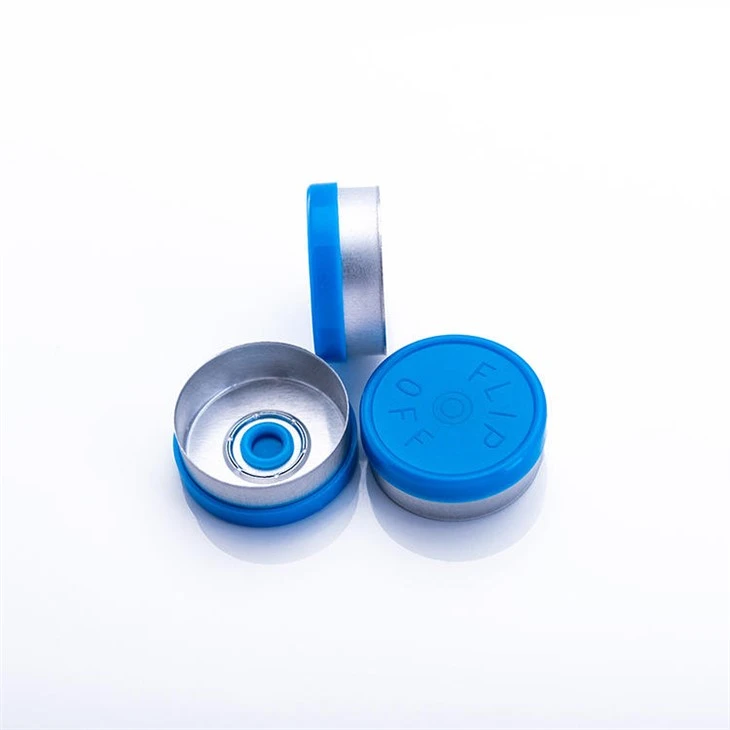
Pharmaceutical caps come in different materials, and understanding their composition is the first step in determining the appropriate disposal method. Commonly, we supply Aluminium Plastic Caps for Glass Vials, which are made of a combination of aluminium and plastic. The aluminium part provides strength and protection, while the plastic component may be used for sealing and ease of use. For example, our 20mm Vial Cap is a popular product with this kind of structure.
Environmental Impact of Improper Disposal
Improper disposal of used pharmaceutical caps can have significant environmental consequences. If these caps end up in landfills, the non - biodegradable plastic and aluminium components can persist for a long time. Plastic can break down into microplastics, which can enter the soil, water bodies, and eventually the food chain. Aluminium production is energy - intensive, and wasting aluminium through improper disposal means losing a valuable resource that could be recycled.
Recycling as a Primary Disposal Method
Recycling is one of the most environmentally friendly ways to dispose of used pharmaceutical caps.
- Aluminium Recycling: Aluminium is a highly recyclable material. When used pharmaceutical caps with aluminium components are recycled, they can be melted down and reused to make new products. Recycling aluminium requires only a fraction of the energy needed to produce new aluminium from bauxite ore. For instance, recycling aluminium can save up to 95% of the energy required for primary production.
- Plastic Recycling: The plastic part of the pharmaceutical caps can also be recycled. However, the type of plastic matters. Different plastics have different recycling processes. For example, some common plastics used in pharmaceutical caps are polyethylene (PE) and polypropylene (PP). These plastics can be recycled into new plastic products such as plastic lumber, containers, or other plastic - based items.
To ensure successful recycling, it is important to separate the aluminium and plastic components if possible. This can be done through mechanical or chemical separation methods. Some recycling facilities have the technology to handle the separation and recycling of these mixed - material caps.
Incineration with Energy Recovery
In some cases, incineration can be a viable disposal option, especially when recycling is not feasible. Modern incineration plants are equipped with advanced pollution control technologies. When used pharmaceutical caps are incinerated, the energy released can be captured and used to generate electricity or heat. However, it is crucial to ensure that the incineration process meets strict environmental standards to minimize the release of harmful pollutants such as dioxins and heavy metals.

Landfill Disposal as a Last Resort
Landfill disposal should be the last resort for used pharmaceutical caps. If there are no recycling or incineration options available, the caps can be sent to a landfill. However, this should be done in accordance with local regulations. To reduce the environmental impact, the caps should be properly contained in the landfill to prevent the release of contaminants into the surrounding environment.
Regulatory Considerations
Disposal of used pharmaceutical caps is subject to various regulations. Different countries and regions have different rules regarding the handling, storage, and disposal of pharmaceutical waste. As a pharmaceutical cap supplier, it is our responsibility to ensure that our customers are aware of these regulations. For example, in some areas, pharmaceutical waste must be treated as hazardous waste and disposed of through authorized facilities. Failure to comply with these regulations can result in significant fines and legal consequences.
Best Practices for Customers
As a supplier, we recommend the following best practices to our customers for the proper disposal of used pharmaceutical caps:
- Sorting: Encourage customers to sort the used caps by material type. This makes the recycling process more efficient.
- Storage: Provide guidelines on proper storage of used caps to prevent contamination and ensure safety. For example, caps should be stored in a dry, cool place away from sources of ignition.
- Partnering with Recycling Facilities: Help customers find reliable recycling facilities that can handle the specific type of pharmaceutical caps they have. We can also provide information on the recycling capabilities of different facilities.
Our Role as a Supplier
As a Aluminium Plastic Caps For Glass Vials supplier, we are committed to promoting sustainable practices. We are constantly researching and developing new ways to make our caps more recyclable and environmentally friendly. For example, we are exploring the use of more easily separable materials in our cap designs.
We also provide educational resources to our customers on the proper disposal of used pharmaceutical caps. By working together with our customers, we can reduce the environmental impact of our products and contribute to a more sustainable future.
Contact Us for Purchase and Discussion
If you are interested in purchasing high - quality pharmaceutical caps or have any questions about the disposal of used caps, please feel free to contact us. We are always ready to discuss your needs and provide the best solutions. Our team of experts can offer in - depth advice on product selection, recycling options, and regulatory compliance.
References
- "Recycling of Aluminium: A Review of Processes and Technologies" by X. Zhang and Y. Chen
- "Plastic Recycling: Challenges and Opportunities" by R. Thompson and S. Barlaz
- Local environmental protection agency regulations on pharmaceutical waste disposal.