

Hey there! As a supplier of medical vials, I've seen firsthand how evaporation can be a real headache in the medical industry. Evaporation not only affects the quality and efficacy of the medications stored in these vials but also leads to potential financial losses. So, in this blog, I'm gonna share some effective ways to prevent evaporation in medical vials.
Understanding the Problem
First things first, let's talk about why evaporation happens in medical vials. There are a few factors at play here. Temperature is a big one. When the temperature rises, the molecules in the liquid medication gain more energy and start to escape from the liquid surface into the air. Humidity also matters. If the surrounding air is dry, it can draw moisture out of the vial more easily. And then there's the type of closure on the vial. A poor - fitting or damaged closure won't provide a proper seal, allowing the medication to evaporate.
Choosing the Right Vial Material
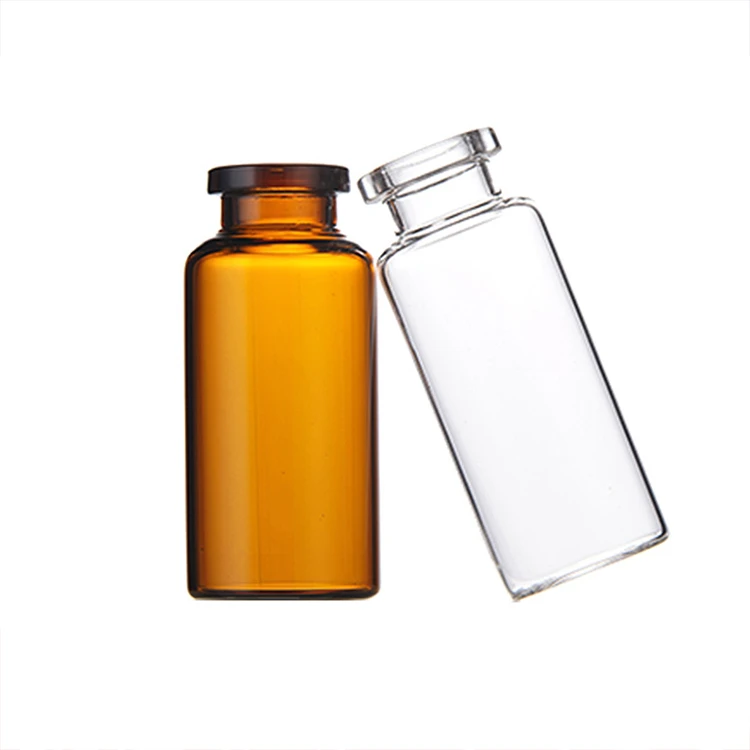
The material of the medical vial is crucial in preventing evaporation. Glass is a popular choice for medical vials, and for good reason. It's inert, which means it doesn't react with the medications inside. This helps maintain the stability of the drug. For example, Clear Glass Bottle is a great option. Glass has a low permeability to gases and vapors, so it acts as a good barrier against evaporation. It also can withstand different temperatures without significant changes in its properties.
Another type of glass vial that's commonly used is the Penicillin Bottle 10ml. These vials are designed to hold small amounts of medications securely. The thick glass walls provide an extra layer of protection against evaporation.
Proper Closure Systems
The closure on a medical vial is like a gatekeeper. It's responsible for keeping the medication inside and preventing evaporation. There are different types of closures available, such as rubber stoppers and screw - caps.
Rubber stoppers are often used because they can form a tight seal when inserted into the vial neck. They're made of materials that are resistant to the chemicals in the medications. But it's important to make sure the stoppers are of high quality. A cheap or damaged stopper won't seal properly, and evaporation can occur.
Screw - caps are also a good option. They provide a mechanical seal that can be tightened to prevent air and moisture from getting in. However, it's essential to ensure that the threads on the vial and the cap are well - matched. If they're not, there will be gaps, and evaporation will happen.
Storage Conditions
Where you store the medical vials can have a huge impact on evaporation. Temperature control is key. Medications should be stored at the recommended temperature range. Most medications are stored at room temperature, which is usually around 20 - 25°C. But some medications need to be stored in a cooler environment, like a refrigerator. If the temperature is too high, the rate of evaporation will increase significantly.

Humidity control is also important. You can use humidity - controlled storage areas or dehumidifiers to keep the air dry. This reduces the likelihood of moisture being drawn out of the vials.
Packaging and Labeling
Proper packaging can help prevent evaporation. Vials can be packaged in sealed containers or blister packs. These additional layers of protection create a barrier against the external environment. For example, a Medicine Bottle can be placed in a sealed plastic container. This not only protects against evaporation but also helps prevent physical damage to the vial.
Labeling is also important. Clear labels should indicate the proper storage conditions for the medication. This ensures that everyone handling the vials knows how to store them correctly to prevent evaporation.
Quality Control
As a supplier, I always emphasize the importance of quality control. We conduct regular inspections of the vials and closures to make sure they meet the required standards. We check for any signs of damage, such as cracks in the vials or defects in the closures. If a vial or closure doesn't pass the inspection, it's removed from the production line.
We also test the sealing integrity of the vials. This can be done through various methods, such as pressure testing or leak detection. By ensuring the quality of our products, we can minimize the risk of evaporation.
Handling and Transportation
How the vials are handled and transported can also affect evaporation. During handling, it's important to be gentle with the vials. Rough handling can cause damage to the closures or the vials themselves, leading to evaporation.
When it comes to transportation, proper packaging is essential. Vials should be packed in shock - absorbing materials to prevent breakage. Temperature and humidity should also be controlled during transportation. Specialized shipping containers can be used to maintain the right conditions.
Conclusion
Preventing evaporation in medical vials is a multi - faceted challenge. It involves choosing the right vial material, using proper closure systems, controlling storage conditions, ensuring quality control, and handling and transporting the vials correctly. By taking these steps, we can ensure that the medications in the vials remain stable and effective.
If you're in the market for high - quality medical vials that are designed to prevent evaporation, we're here to help. Whether you need Clear Glass Bottle, Penicillin Bottle 10ml, or Medicine Bottle, we've got you covered. Contact us to discuss your specific requirements and let's work together to find the best solutions for your medical vial needs.
References
- Pharmaceutical Packaging Handbook, Third Edition by Thomas H. Shea
- Handbook of Pharmaceutical Excipients by Raymond C. Rowe, Paul J. Sheskey, and Marian E. Quinn