

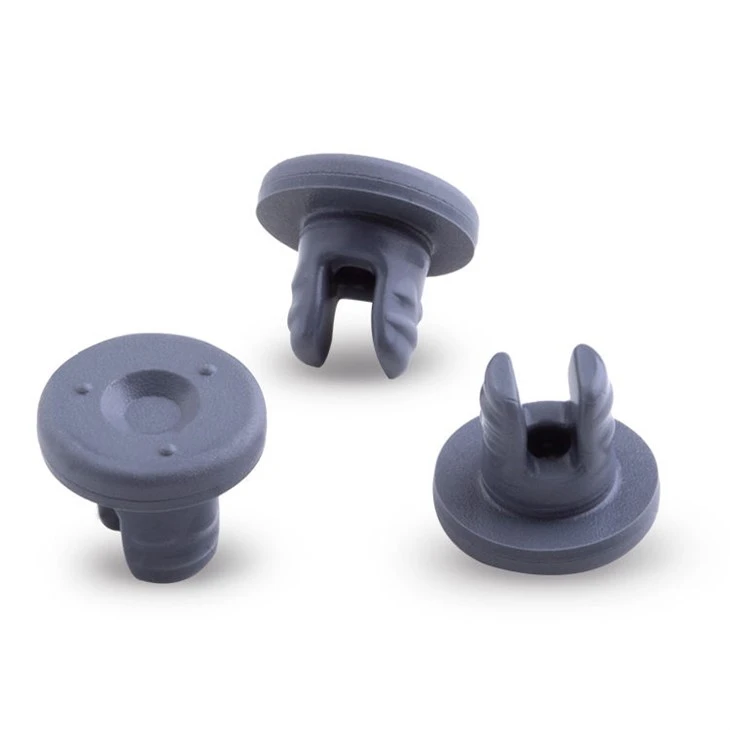
As a seasoned rubber stopper supplier, I've witnessed firsthand the importance of proper storage in maintaining the quality and performance of these essential components. Rubber stoppers are widely used in various industries, including pharmaceuticals, laboratories, and food and beverage, where they play a crucial role in sealing containers and preserving the integrity of their contents. In this blog post, I'll share some valuable insights on how to store rubber stoppers properly to ensure their longevity and effectiveness.
Understanding the Properties of Rubber Stoppers
Before delving into storage techniques, it's essential to understand the properties of rubber stoppers. Rubber is a versatile material known for its elasticity, flexibility, and resistance to chemicals and moisture. However, it is also susceptible to degradation when exposed to certain environmental factors, such as heat, light, oxygen, and chemicals. These factors can cause the rubber to harden, crack, or lose its sealing properties over time, rendering the stoppers ineffective.
Ideal Storage Conditions
To maintain the quality of rubber stoppers, it's crucial to store them in an environment that minimizes exposure to harmful elements. Here are some key factors to consider:
Temperature
Rubber stoppers should be stored at a stable temperature between 10°C and 30°C (50°F and 86°F). Extreme temperatures can cause the rubber to expand or contract, leading to deformation and loss of sealing performance. Avoid storing rubber stoppers in areas that are subject to significant temperature fluctuations, such as near heating or cooling vents, direct sunlight, or in uninsulated storage facilities.
Humidity
High humidity can cause rubber stoppers to absorb moisture, which can lead to mold growth, degradation, and loss of elasticity. The ideal relative humidity for storing rubber stoppers is between 40% and 60%. To maintain optimal humidity levels, consider using a dehumidifier or storing the stoppers in a sealed container with a desiccant, such as silica gel.
Light
Exposure to light, especially ultraviolet (UV) light, can cause rubber to degrade and lose its physical properties. Store rubber stoppers in a dark or opaque container to protect them from light exposure. If possible, choose storage areas that are not directly exposed to sunlight or artificial light sources.
Oxygen
Oxygen can react with rubber over time, causing it to oxidize and degrade. To minimize oxygen exposure, store rubber stoppers in airtight containers or packaging. Consider using vacuum-sealed bags or containers to remove as much air as possible before storage.
Chemicals
Rubber stoppers can be sensitive to certain chemicals, such as solvents, oils, and acids. Avoid storing rubber stoppers near chemicals or in areas where they may come into contact with chemical fumes or spills. If you need to clean rubber stoppers, use a mild detergent and water, and rinse them thoroughly to remove any residue.
Storage Containers and Packaging
The choice of storage containers and packaging can also have a significant impact on the quality and longevity of rubber stoppers. Here are some recommendations:
Sealed Containers
Use sealed containers or packaging to protect rubber stoppers from moisture, dust, and other contaminants. Plastic bags, airtight plastic containers, or glass jars with tight-fitting lids are all suitable options. Make sure the containers are clean and dry before storing the stoppers.
Dividers and Trays
If you need to store multiple rubber stoppers, consider using dividers or trays to keep them organized and prevent them from touching each other. This can help prevent damage and ensure that the stoppers remain in good condition.
Labeling
Proper labeling is essential for easy identification and inventory management. Label each container or package with the type, size, and quantity of rubber stoppers, as well as the date of receipt and expiration date (if applicable). This will help you keep track of your inventory and ensure that you use the oldest stoppers first.
Handling and Transportation
In addition to proper storage, it's also important to handle and transport rubber stoppers carefully to avoid damage. Here are some tips:
Clean Hands
Always wash your hands thoroughly before handling rubber stoppers to prevent contamination. Avoid using gloves that may leave residue or chemicals on the stoppers.
Gentle Handling
Handle rubber stoppers gently to avoid deformation or damage. Avoid squeezing, bending, or stretching the stoppers, as this can affect their sealing performance.
Proper Packaging
When transporting rubber stoppers, use appropriate packaging materials to protect them from damage. Wrap the stoppers in bubble wrap or other cushioning materials and place them in a sturdy box or container. Make sure the packaging is sealed tightly to prevent the stoppers from shifting during transit.
Quality Control and Inspection
Regular quality control and inspection are essential to ensure that rubber stoppers are stored properly and remain in good condition. Here are some steps you can take:
Visual Inspection
Inspect rubber stoppers regularly for signs of damage, such as cracks, tears, or deformation. Check the sealing surface for any signs of wear or contamination. If you notice any issues, remove the damaged stoppers from your inventory and replace them with new ones.
Performance Testing
Periodically test the sealing performance of rubber stoppers to ensure that they are still effective. You can use a pressure tester or other appropriate equipment to test the stoppers under simulated conditions. If the stoppers fail the performance test, replace them immediately.
Inventory Management
Keep track of your inventory levels and expiration dates to ensure that you use the oldest stoppers first. Implement a first-in, first-out (FIFO) inventory management system to prevent the accumulation of expired or obsolete stoppers.
Conclusion
Proper storage of rubber stoppers is essential for maintaining their quality, performance, and longevity. By following the guidelines outlined in this blog post, you can ensure that your rubber stoppers remain in good condition and provide reliable sealing solutions for your applications.
As a leading rubber stopper supplier, we offer a wide range of high-quality 20mm Rubber Stopper, Rubber Stopper 32mm, and Rubber Vial Stopper to meet your specific needs. If you have any questions or need assistance with rubber stopper storage or selection, please don't hesitate to contact us. We're here to help you find the best solutions for your business.

References
- ASTM International. (2019). Standard Practice for Rubber Products - Storage. ASTM D1053-19.
- International Organization for Standardization. (2011). Rubber and Rubber Products - Determination of the Effect of Heat and Oxygen. ISO 188:2011.
- Rubber Manufacturers Association. (2017). Rubber Product Storage Guidelines.