

Selecting the appropriate pharmaceutical cap for a specific medicine formulation is a crucial decision that impacts the safety, efficacy, and stability of the medication. As a leading pharmaceutical cap supplier, we understand the complexities involved in this process and are committed to providing our customers with the best solutions. In this blog post, we will explore the key factors to consider when choosing a pharmaceutical cap and how our products can meet your specific needs.
Understanding the Medicine Formulation
The first step in selecting the right pharmaceutical cap is to understand the nature of the medicine formulation. Different medications have different requirements based on their physical and chemical properties. For example, liquid medications may require a cap that provides a tight seal to prevent leakage, while solid medications may need a cap that protects against moisture and oxygen.
Some of the key factors to consider when evaluating the medicine formulation include:
- Physical state: Whether the medication is a liquid, solid, or semi - solid (such as a cream or gel) will influence the type of cap needed. Liquid medications typically require caps with excellent sealing properties, such as Flip Top Cap, which can prevent spillage and evaporation.
- Chemical composition: The chemical properties of the medication, such as its pH level, reactivity, and solubility, can affect the compatibility of the cap material. For example, acidic medications may react with certain types of plastics, so a cap made from a chemically resistant material may be necessary.
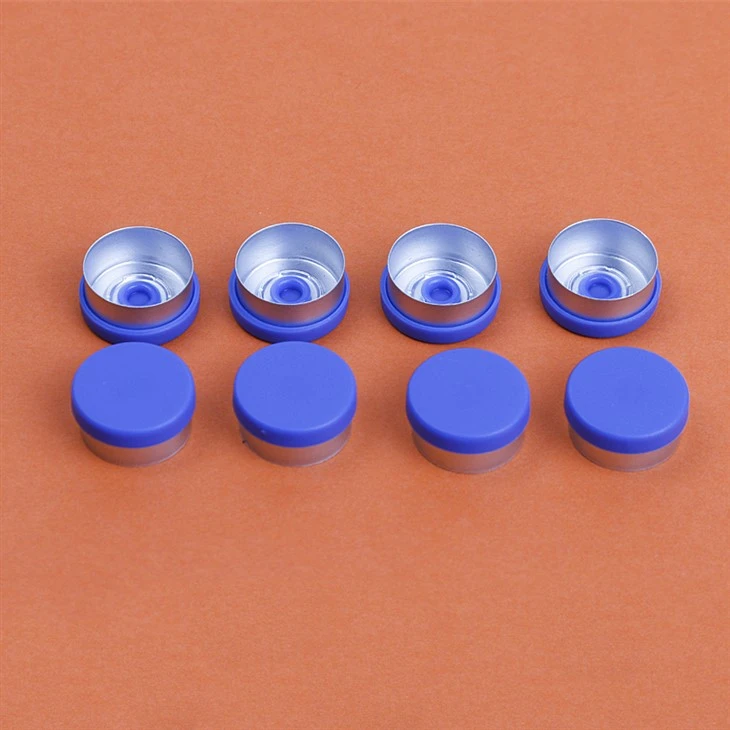
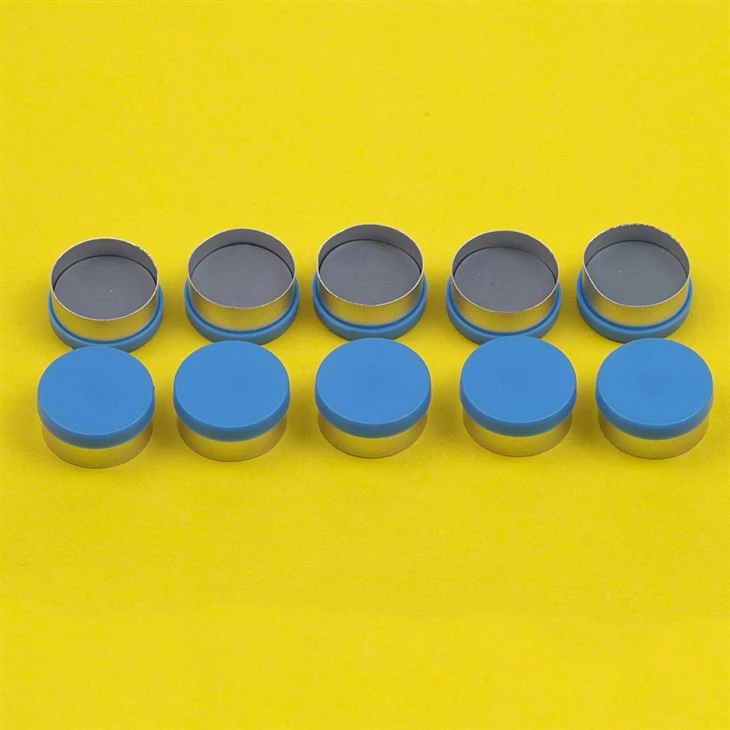
- Stability requirements: Some medications are sensitive to environmental factors such as light, heat, moisture, and oxygen. Caps that provide protection against these elements, like Aluminum Plastic Trim Cap, can help maintain the stability and efficacy of the medication over time.
Regulatory Compliance
Regulatory compliance is another critical aspect of pharmaceutical cap selection. Pharmaceutical products are subject to strict regulations and standards to ensure their safety and quality. When choosing a cap, it is essential to ensure that it meets all relevant regulatory requirements.
In the United States, the Food and Drug Administration (FDA) regulates pharmaceutical packaging, including caps. The FDA has specific guidelines regarding the materials used in pharmaceutical packaging, as well as the labeling and performance requirements. In Europe, the European Medicines Agency (EMA) and national regulatory authorities enforce similar regulations.
Our pharmaceutical caps are designed and manufactured in compliance with all major regulatory standards. We use high - quality materials that are approved for use in pharmaceutical applications and ensure that our manufacturing processes meet the strictest quality control requirements.
Cap Design and Functionality
The design and functionality of the pharmaceutical cap also play an important role in its suitability for a specific medicine formulation. Here are some aspects to consider:
- Sealing mechanism: A good seal is essential to prevent contamination, leakage, and evaporation. Different types of sealing mechanisms are available, such as screw - on caps, snap - on caps, and crimp - on caps. The choice of sealing mechanism depends on the type of container and the requirements of the medication. For example, Cap for Vials often use crimp - on caps to provide a secure and tamper - evident seal.
- Child - resistance: Many pharmaceutical products require child - resistant caps to prevent accidental ingestion by children. Child - resistant caps are designed to be difficult for children under a certain age to open but easy for adults to use. We offer a range of child - resistant cap options that meet the relevant safety standards.
- Ease of use: The cap should be easy for patients to open and close, especially for those with limited dexterity. This is particularly important for medications that need to be taken regularly. Features such as large grips, smooth opening mechanisms, and clear instructions can enhance the user experience.
Compatibility with the Container
The pharmaceutical cap must be compatible with the container in which the medication is stored. This includes considerations such as the size, shape, and material of the container.
- Size and fit: The cap must fit the container properly to ensure a tight seal. A cap that is too large or too small may not provide an adequate seal, leading to leakage or contamination. We offer a wide range of cap sizes to match different container dimensions.
- Material compatibility: The cap and container materials should be compatible to prevent chemical reactions or interactions. For example, if the container is made of glass, the cap material should not scratch or damage the glass surface.
Cost - effectiveness
While ensuring the quality and safety of the pharmaceutical cap is of utmost importance, cost - effectiveness is also a consideration for many pharmaceutical manufacturers. We understand the need to balance quality and cost, and we offer competitive pricing for our pharmaceutical caps.
Our efficient manufacturing processes and economies of scale allow us to provide high - quality caps at a reasonable cost. We also work closely with our customers to understand their specific requirements and offer customized solutions that meet their budgetary constraints.
Our Expertise and Support
As a pharmaceutical cap supplier, we have extensive expertise in the industry. Our team of experts can provide guidance and support throughout the cap selection process. We can help you evaluate your specific needs, recommend the most suitable cap options, and provide samples for testing.
We also offer excellent after - sales service, including technical support, quality assurance, and timely delivery. Our goal is to ensure that our customers are satisfied with our products and services and that their pharmaceutical products are packaged safely and effectively.
Conclusion
Selecting the appropriate pharmaceutical cap for a specific medicine formulation is a multi - faceted process that requires careful consideration of various factors. By understanding the medicine formulation, regulatory requirements, cap design, container compatibility, and cost - effectiveness, pharmaceutical manufacturers can make informed decisions.
As a trusted pharmaceutical cap supplier, we are committed to providing high - quality, compliant, and cost - effective cap solutions. If you are in the process of selecting a pharmaceutical cap for your medicine formulation, we encourage you to contact us to discuss your requirements. Our team of experts is ready to assist you in finding the perfect cap for your product.
References
- "Guidance for Industry: Container Closure Systems for Packaging Human Drugs and Biologics" - U.S. Food and Drug Administration
- "Good Manufacturing Practice Guide for Medicinal Products in the European Union" - European Medicines Agency
- "Handbook of Pharmaceutical Excipients" - Pharmaceutical Press