

Painting a 15ml glass bottle can be a creative and rewarding process, whether you're looking to add a personal touch to your products or enhance the aesthetic appeal of your packaging. As a supplier of 15ml glass bottles, I've had the opportunity to explore various painting techniques and understand the best practices to achieve a professional finish. In this blog post, I'll share some tips and tricks on how to paint a 15ml glass bottle effectively.
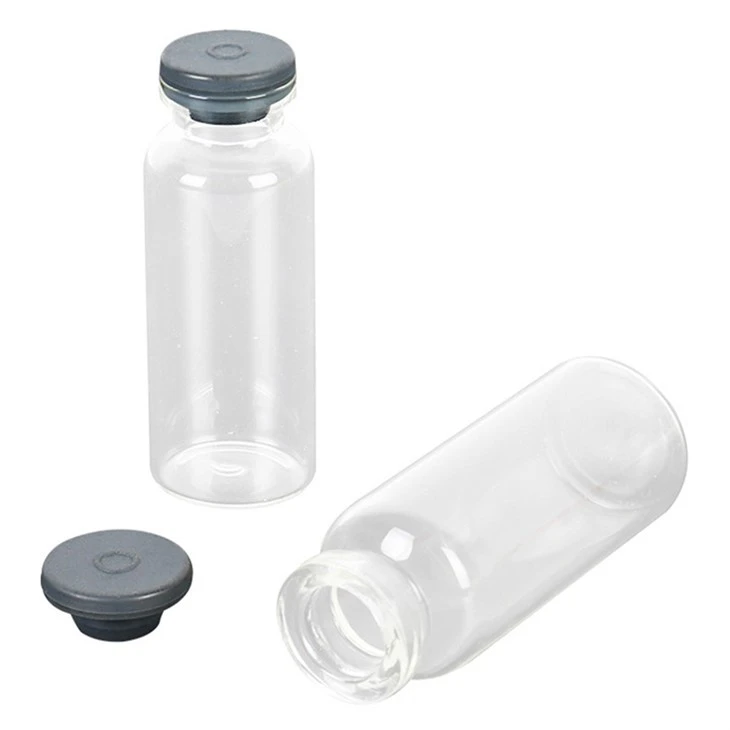

Preparation
Before you start painting, it's essential to prepare the glass bottle properly. This will ensure that the paint adheres well and the final result looks smooth and professional. Here are the steps you should follow:
- Clean the bottle: Wash the 15ml glass bottle thoroughly with warm, soapy water to remove any dirt, grease, or fingerprints. Rinse it well and let it dry completely. You can also use a glass cleaner for a more thorough clean.
- Sand the surface (optional): If you want the paint to adhere better, you can lightly sand the surface of the glass bottle with fine-grit sandpaper. This will create a slightly rough surface for the paint to grip onto. Be careful not to sand too hard, as this can scratch the glass.
- Mask off areas: If there are any parts of the bottle that you don't want to paint, such as the cap or label area, use masking tape to cover them. Make sure the tape is firmly pressed down to prevent the paint from seeping under.
Choosing the Right Paint
Selecting the appropriate paint is crucial for achieving a long-lasting and vibrant finish. Here are some factors to consider when choosing paint for your 15ml glass bottle:
- Type of paint: Acrylic paint is a popular choice for glass painting because it dries quickly, is easy to work with, and comes in a wide range of colors. Enamel paint is another option, which provides a more durable and glossy finish but takes longer to dry.
- Compatibility: Make sure the paint you choose is suitable for use on glass. Some paints may not adhere well to glass surfaces, so it's important to check the label for compatibility.
- Finish: Consider the finish you want to achieve, such as matte, gloss, or metallic. Different paints offer different finishes, so choose one that matches your desired look.
Painting Techniques
Once you've prepared the bottle and chosen the right paint, it's time to start painting. Here are some techniques you can use to paint a 15ml glass bottle:
- Brushing: This is the most common method of painting glass bottles. Use a small, fine-tip paintbrush to apply the paint evenly to the surface of the bottle. Start with a thin coat and let it dry completely before applying additional coats. This will help prevent drips and ensure a smooth finish.
- Spray painting: Spray painting can provide a more even and professional-looking finish, especially for larger areas or when you want to achieve a smooth, seamless look. Use a spray paint designed for glass and follow the manufacturer's instructions carefully. Hold the spray can about 6-8 inches away from the bottle and apply light, even coats. Let each coat dry before applying the next.
- Stenciling: Stenciling is a great way to add intricate designs or patterns to your glass bottle. You can purchase pre-made stencils or create your own using stencil paper or cardboard. Place the stencil on the bottle and use a small paintbrush or sponge to apply the paint over the stencil. Carefully remove the stencil while the paint is still wet to reveal the design.
Curing and Sealing
After you've finished painting the 15ml glass bottle, it's important to cure and seal the paint to ensure its durability. Here's what you need to do:
- Curing: Follow the manufacturer's instructions for curing the paint. This may involve letting the paint dry for a certain period of time or baking the bottle in the oven at a specific temperature. Curing the paint will help it adhere better to the glass and make it more resistant to scratches and fading.
- Sealing: Once the paint has cured, you can seal it with a clear topcoat to protect it and give it a glossy finish. Choose a topcoat that is compatible with the paint you used and apply it according to the manufacturer's instructions. Let the topcoat dry completely before handling the bottle.
Tips and Tricks
Here are some additional tips and tricks to help you paint a 15ml glass bottle successfully:
- Test the paint: Before painting the entire bottle, test the paint on a small, inconspicuous area to make sure you're happy with the color and finish.
- Work in a well-ventilated area: Painting can produce fumes, so it's important to work in a well-ventilated area to avoid inhaling them.
- Use multiple coats: Applying multiple thin coats of paint will give you a more even and professional-looking finish than applying one thick coat.
- Let the paint dry completely between coats: This will prevent the paint from smudging or peeling and ensure a smooth finish.
- Be patient: Painting a glass bottle takes time and patience. Don't rush the process, and take your time to ensure that each step is done correctly.
Our 15ml Glass Bottle Products
As a supplier of 15ml glass bottles, we offer a wide range of high-quality products to meet your needs. Our Glass Bottle with Aluminum Cap is a popular choice for its sleek and modern design. It comes with an aluminum cap that provides a secure seal and adds a touch of elegance to your packaging.
We also offer Flip Cap Amber Bottles, which are perfect for storing light-sensitive products. The amber glass helps to protect the contents from UV rays, while the flip cap makes it easy to dispense the product.
In addition to our 15ml glass bottles, we also offer 10ml Glass Bottle for those who need a smaller size. These bottles are ideal for samples or travel-sized products.
Contact Us for Purchasing
If you're interested in purchasing our 15ml glass bottles or have any questions about painting them, please don't hesitate to contact us. We're here to help you find the perfect packaging solution for your products and provide you with the support and guidance you need to achieve a professional finish.
References
- "Glass Painting Techniques" by [Author Name]
- "Choosing the Right Paint for Glass" by [Author Name]
- "Curing and Sealing Painted Glass" by [Author Name]