

Hey there! As a supplier of 10ml glass bottles, I've seen my fair share of broken bottles over the years. It's a real pain, not just because of the loss of product but also the potential safety hazards. So, I thought I'd share some tips on how to prevent these little guys from breaking.
1. Choose the Right Glass
First things first, the type of glass you use matters a whole lot. There are different kinds of glass out there, and some are more resistant to breakage than others. Borosilicate glass, for example, is a great choice. It has a low coefficient of thermal expansion, which means it can handle temperature changes better without cracking or breaking. This is especially important if your 10ml glass bottles are going to be used for storing substances that need to be heated or cooled.
On the other hand, soda - lime glass is more common and cheaper, but it's also more prone to breakage. If you're on a tight budget, soda - lime glass might be an option, but you'll need to take extra precautions to keep it safe. You can check out our Medicine Packaging Bottle options, where we offer both types of glass to suit different needs.
2. Proper Packaging
Once you've got the right glass, the next step is to package the bottles properly. When we ship our 10ml glass bottles, we use a combination of materials to protect them. Bubble wrap is a classic. It provides a cushioning layer that absorbs shocks and impacts during transit. You can wrap each bottle individually in a layer of bubble wrap, making sure to cover the entire surface.
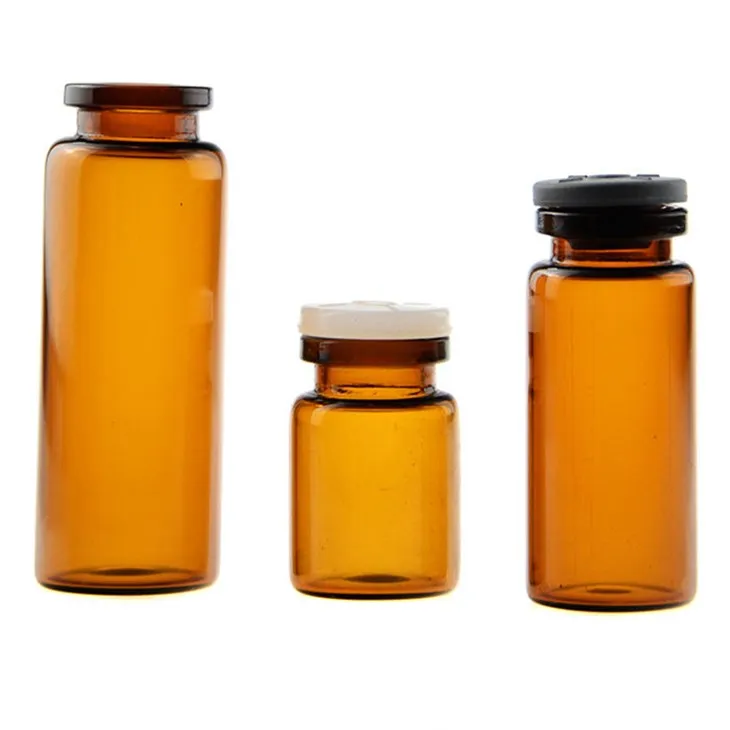

Another great option is foam inserts. These can be custom - made to fit the shape of the 10ml glass bottles perfectly. They hold the bottles in place and prevent them from moving around and hitting each other. We also use corrugated cardboard boxes. The corrugation adds an extra layer of strength and protection to the box, reducing the risk of damage from external forces.
If you're interested in our packaging solutions for Penicillin Bottle, we can provide more details on how we ensure their safe delivery.
3. Handling with Care
How you handle the 10ml glass bottles is crucial. When you're moving them around, make sure to hold them firmly but gently. Avoid gripping them too tightly, as this can create stress points on the glass and increase the risk of breakage. Also, be careful not to drop them or knock them against hard surfaces.
When you're filling the bottles, use a funnel if possible. This helps to prevent spills and reduces the chances of the liquid splashing onto the outside of the bottle, which could make it slippery and more likely to be dropped. And when you're sealing the bottles, use the right tools and follow the correct procedure. Using the wrong cap or applying too much pressure when sealing can cause the glass to crack.
4. Storage Conditions
Where you store the 10ml glass bottles also plays a big role in preventing breakage. Store them in a cool, dry place. Extreme temperatures and humidity can weaken the glass over time. Avoid storing them near sources of heat, like radiators or ovens, as sudden temperature changes can cause the glass to expand or contract and crack.
Keep the bottles in a stable position. Stacking them too high or placing them on unstable surfaces can lead to them falling and breaking. If you're storing a large number of bottles, use a rack or a shelf that is designed to hold glass containers securely. You can find some useful storage tips on our Pharmacy Vials and Caps page.
5. Quality Control
Before you start using or shipping the 10ml glass bottles, it's important to do some quality control checks. Inspect each bottle carefully for any visible cracks, chips, or scratches. Even a small imperfection can weaken the glass and make it more likely to break. If you find any damaged bottles, set them aside and don't use them.
We have a strict quality control process in place at our factory. Every bottle goes through a series of tests to ensure its strength and integrity. This includes checking the thickness of the glass, the smoothness of the edges, and the overall shape of the bottle. By doing this, we can catch any potential problems early and prevent them from reaching our customers.
6. Training and Education
If you have a team of people handling the 10ml glass bottles, make sure they are properly trained. Teach them about the importance of handling the bottles with care and the correct procedures for filling, sealing, and storing them. Provide them with safety guidelines and make sure they understand the potential risks associated with broken glass.
You can also organize regular training sessions to refresh their knowledge and keep them up - to - date on the latest best practices. By investing in training, you can reduce the number of breakages and improve the overall safety of your operations.
7. Insurance and Backup
Even if you follow all these tips, there's still a small chance that a bottle might break. That's why it's a good idea to have insurance coverage for your glass bottles. This can help to cover the cost of any damaged products and reduce the financial impact on your business.
It's also a good idea to have a backup supply of 10ml glass bottles. If you run out of stock due to breakages, you can quickly replace them without causing any delays in your production or delivery schedules.
In conclusion, preventing a 10ml glass bottle from breaking requires a combination of the right materials, proper handling, and good storage conditions. By following these tips, you can significantly reduce the risk of breakage and ensure that your glass bottles arrive at their destination in perfect condition.
If you're interested in purchasing our 10ml glass bottles or have any questions about how to prevent them from breaking, feel free to reach out. We're here to help you find the best solutions for your needs.
References
- Glass Packaging Institute. (2023). Glass Packaging Handbook.
- International Organization for Standardization. (2022). ISO Standards for Glass Containers.