

Hey there! As a supplier of 1ml glass bottles, I often get asked about how to sterilize these little guys properly. It's super important, especially when you're using them for things like storing medicine, essential oils, or other sensitive substances. So, let's dive right in and talk about the different ways to sterilize a 1ml glass bottle.
Why Sterilization Matters
First off, why do we even need to sterilize these bottles? Well, if you're using them for medical or cosmetic purposes, any bacteria or contaminants left in the bottle can cause all sorts of problems. For example, if you're storing medicine in a non - sterilized bottle, bacteria could grow and make the medicine less effective or even harmful. In the case of essential oils, contaminants could alter the scent or quality of the oil. So, sterilization is a must to ensure the safety and quality of the contents.
Methods of Sterilization
1. Autoclaving
Autoclaving is one of the most common and effective methods of sterilization. It uses high - pressure steam to kill bacteria, viruses, and other microorganisms. You can use a commercial autoclave if you have one, or if you're doing it at home, there are smaller, more affordable autoclaves available on the market.
Here's how you do it:
- Prepare the bottles: Make sure the 1ml glass bottles are clean before putting them in the autoclave. You can wash them with mild detergent and rinse them thoroughly.
- Load the autoclave: Place the bottles in the autoclave, leaving some space between them to allow the steam to circulate. You can use a rack or a tray to hold the bottles in place.
- Set the parameters: Most autoclaves are set to operate at a temperature of around 121°C (250°F) for 15 - 20 minutes at a pressure of about 15 psi. These settings are usually sufficient to kill most microorganisms.
- Run the cycle: Once you've set the parameters, start the autoclave and let it do its thing. After the cycle is complete, wait for the autoclave to cool down before opening it.
One thing to note is that autoclaving can sometimes cause the glass to become brittle over time, especially if you do it frequently. So, you might want to check the bottles for any signs of damage after each autoclave cycle.

2. Dry Heat Sterilization
Dry heat sterilization is another option. It works by using hot air to kill microorganisms. This method is great for things that can't get wet, like some types of plastics or powders.
To sterilize a 1ml glass bottle using dry heat:
- Pre - clean the bottles: Just like with autoclaving, clean the bottles first to remove any visible dirt or debris.
- Place the bottles in an oven: Put the bottles on a baking sheet or in a heat - resistant container and place them in a pre - heated oven. Set the oven temperature to around 160 - 170°C (320 - 338°F) and let the bottles bake for about 2 - 3 hours.
- Cool the bottles: After the sterilization cycle is complete, turn off the oven and let the bottles cool down inside the oven. This helps prevent thermal shock, which could cause the glass to crack.
Dry heat sterilization takes longer than autoclaving, but it can be a good alternative if you don't have access to an autoclave.
3. Chemical Sterilization
Chemical sterilization involves using chemicals to kill microorganisms. One common chemical used for this purpose is hydrogen peroxide.
Here's how you can use hydrogen peroxide to sterilize a 1ml glass bottle:
- Prepare a hydrogen peroxide solution: You can use a 3% hydrogen peroxide solution, which is readily available at most drugstores.
- Submerge the bottles: Place the bottles in the hydrogen peroxide solution and let them soak for at least 30 minutes. Make sure the solution covers the entire bottle.
- Rinse the bottles: After soaking, remove the bottles from the solution and rinse them thoroughly with distilled water to remove any traces of the hydrogen peroxide.
- Dry the bottles: Let the bottles air - dry or use a clean, lint - free cloth to dry them.
Keep in mind that some chemicals can leave a residue, so it's important to rinse the bottles well. Also, make sure to handle the chemicals with care and follow the safety instructions on the label.
Choosing the Right Method
So, how do you choose the right sterilization method for your 1ml glass bottles? Well, it depends on a few factors.
- The intended use of the bottles: If you're using the bottles for medical or pharmaceutical purposes, autoclaving or dry heat sterilization might be the best options, as they are the most reliable for killing a wide range of microorganisms. If you're using the bottles for something less critical, like storing essential oils, chemical sterilization could be sufficient.
- Your available equipment: If you have an autoclave, that's probably the easiest and most efficient way to sterilize the bottles. But if you don't, dry heat or chemical sterilization are good alternatives.
- The frequency of sterilization: If you need to sterilize the bottles frequently, you might want to consider the long - term effects of each method on the glass. For example, as I mentioned earlier, autoclaving can make the glass brittle over time.
Our 1ml Glass Bottles
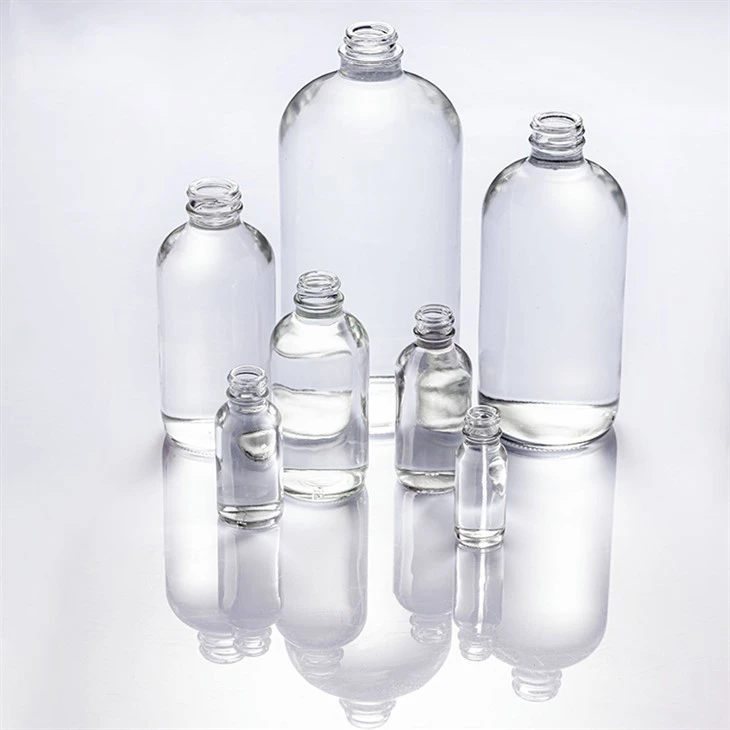
At our company, we offer a wide range of 1ml glass bottles that are perfect for various applications. Whether you're looking for Clear Glass Bottle for a clear view of your contents, Glass Injection Vials for medical use, or Amber Medicine Glass Bottle to protect light - sensitive substances, we've got you covered.
Our bottles are made from high - quality glass that can withstand the rigors of sterilization. We take pride in providing our customers with products that are not only durable but also meet the highest standards of quality.
Conclusion
Sterilizing a 1ml glass bottle is an important step to ensure the safety and quality of the contents. Whether you choose autoclaving, dry heat sterilization, or chemical sterilization, make sure to follow the proper procedures. And if you're in the market for high - quality 1ml glass bottles, look no further. We're here to help you with all your bottle needs. If you're interested in purchasing our products or have any questions, feel free to reach out to us for a friendly chat and discuss your requirements.
References
- Block, S. S. (2001). Disinfection, Sterilization, and Preservation. Lippincott Williams & Wilkins.
- Pelczar, M. J., Chan, E. C. S., & Krieg, N. R. (1993). Microbiology: Concepts and Applications. McGraw - Hill.