

As a supplier of aluminum caps, I've dealt with various aspects of these products, from production to distribution. One crucial aspect that often gets overlooked is the proper storage of aluminum caps. In this blog post, I'll share insights on how to store aluminum caps effectively to maintain their quality and usability.
Why Proper Storage Matters
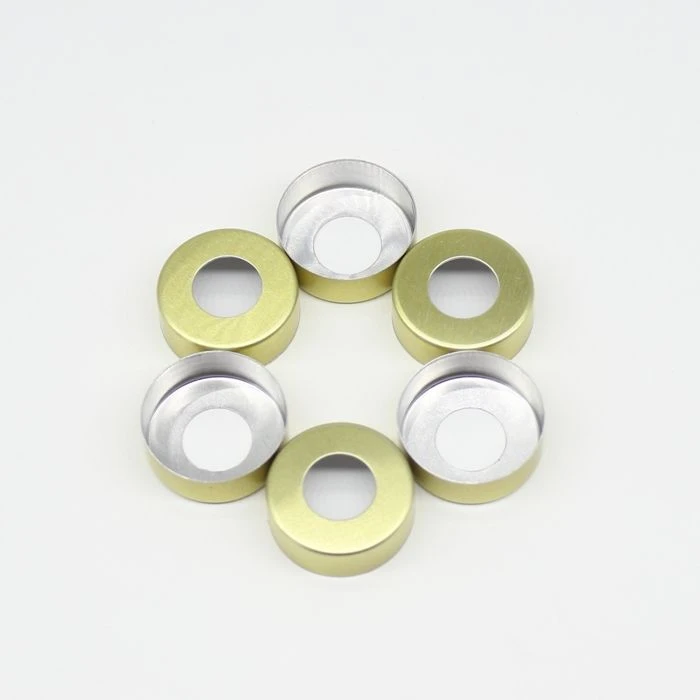
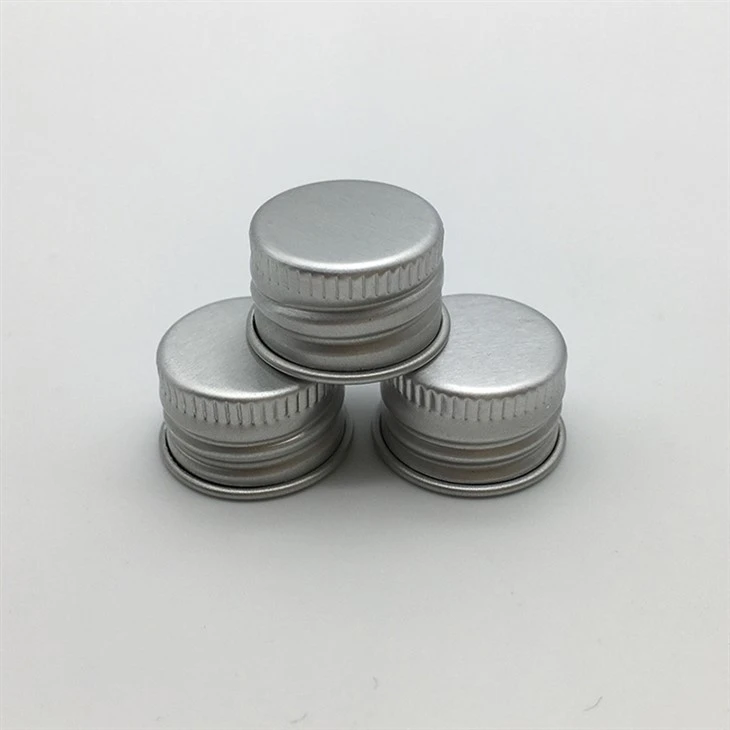
Aluminum caps are versatile products used in various industries, including beverage, pharmaceutical, and cosmetics. They come in different shapes and sizes, such as the ones you can learn more about at Metal Cap, Aluminum Cover, and Medical Aluminum Caps. Improper storage can lead to several issues, such as corrosion, deformation, and contamination, which can render the caps unsuitable for use.
Corrosion is one of the most common problems when it comes to storing aluminum caps. Aluminum is a reactive metal that can form a thin oxide layer when exposed to oxygen. While this oxide layer provides some protection against corrosion, it can be damaged by factors such as moisture, acids, and alkalis. Once the oxide layer is compromised, the aluminum beneath can start to corrode, leading to discoloration, pitting, and weakening of the caps.
Deformation can also occur if the caps are not stored correctly. Aluminum caps are relatively lightweight and can be easily bent or crushed if they are stacked too high or if heavy objects are placed on top of them. This can affect their fit and functionality, making them difficult to use or causing them to leak.
Contamination is another concern, especially for caps used in the pharmaceutical and food industries. If the caps are stored in a dirty or dusty environment, they can pick up particles that can contaminate the contents of the containers they are used on. This can pose a health risk to consumers and can also lead to product recalls and damage to a company's reputation.
Factors to Consider for Storage
Temperature and Humidity
Temperature and humidity are two of the most important factors to consider when storing aluminum caps. High temperatures can cause the aluminum to soften and deform, while low temperatures can make it brittle and prone to cracking. In general, it's best to store aluminum caps in a temperature-controlled environment between 10°C and 30°C (50°F and 86°F).
Humidity can also have a significant impact on the condition of aluminum caps. High humidity levels can promote the growth of mold and mildew, as well as increase the risk of corrosion. It's recommended to keep the relative humidity in the storage area below 60%. If the humidity levels are too high, you can use dehumidifiers or air conditioners to reduce the moisture in the air.
Light Exposure
Exposure to light can also affect the quality of aluminum caps. Ultraviolet (UV) light, in particular, can cause the aluminum to oxidize and discolor over time. To prevent this, it's best to store the caps in a dark or low-light environment. If you need to use artificial lighting in the storage area, choose bulbs that emit low levels of UV light, such as LED bulbs.
Ventilation
Proper ventilation is essential for storing aluminum caps. Good ventilation helps to remove moisture, odors, and other contaminants from the air, which can help to prevent corrosion and other problems. Make sure the storage area is well-ventilated and that there are no blocked air vents or exhaust fans.
Storage Containers
The type of storage containers you use for aluminum caps is also important. Choose containers that are made of a non-reactive material, such as plastic or stainless steel, to prevent corrosion. The containers should also be clean and dry before you store the caps in them.
If you're storing a large number of caps, it's a good idea to use stackable containers to save space. However, make sure the containers are designed to stack safely and that they can support the weight of the caps without collapsing.
Storage Methods
Shelving
One of the most common ways to store aluminum caps is on shelves. Shelving provides a stable and organized way to store the caps, making it easy to access them when needed. When using shelves, make sure they are strong enough to support the weight of the caps and that they are installed securely to the wall or floor.
It's also a good idea to label the shelves to indicate the type and size of the caps stored on each one. This can help to prevent confusion and make it easier to find the caps you need.
Racks
Racks are another option for storing aluminum caps. Rack systems can be customized to fit the specific needs of your storage area and can provide a more efficient way to store large quantities of caps. Racks can be designed to hold the caps in a vertical or horizontal position, depending on the type of caps and the available space.
When using racks, make sure they are properly installed and that the caps are arranged in a way that allows for easy access and retrieval. You may also want to consider using dividers or compartments to separate the caps by type or size.
Pallets
If you're storing a very large number of aluminum caps, pallets can be a practical solution. Pallets provide a stable base for stacking the caps and can be easily moved using a forklift or pallet jack. When using pallets, make sure they are in good condition and that the caps are stacked evenly to prevent the pallets from tipping over.
It's also important to protect the caps on the pallets from damage. You can use stretch wrap or shrink wrap to secure the caps to the pallets and prevent them from shifting during transport or storage.
Inspection and Maintenance
Regular inspection and maintenance are crucial for ensuring the proper storage of aluminum caps. Inspect the caps regularly for signs of corrosion, deformation, or contamination. If you notice any issues, take immediate action to address them.
Clean the storage containers and shelves regularly to remove any dust, dirt, or debris that may have accumulated. You can use a mild detergent and water to clean the containers and shelves, and then dry them thoroughly before using them again.
If you're storing the caps for an extended period of time, it's a good idea to rotate the stock periodically to ensure that the oldest caps are used first. This can help to prevent the caps from becoming obsolete or damaged over time.
Conclusion
Proper storage of aluminum caps is essential for maintaining their quality and usability. By considering factors such as temperature, humidity, light exposure, ventilation, and storage containers, you can ensure that your caps are stored in the best possible conditions. Using appropriate storage methods, such as shelving, racks, or pallets, can also help to optimize the use of space and make it easier to access the caps when needed.
Regular inspection and maintenance are also important to prevent corrosion, deformation, and contamination. By following these guidelines, you can minimize the risk of problems and ensure that your aluminum caps are ready to use when you need them.
If you're in the market for high-quality aluminum caps, I'd be happy to discuss your requirements with you. We offer a wide range of aluminum caps, including Metal Cap, Aluminum Cover, and Medical Aluminum Caps, to meet the needs of various industries. Contact us today to start a conversation about your aluminum cap needs.
References
- Smith, J. (2020). Aluminum Alloys: Properties, Applications, and Processing. Elsevier.
- Jones, A. (2019). Corrosion Prevention and Protection in the Aluminum Industry. Springer.
- Brown, S. (2018). Storage and Handling of Metal Products. Wiley.