

As a supplier of high - quality glass vials, I understand the importance of proper cleaning for glass vials that have been used for eye drops. Eye drops are a delicate and sensitive product, and the vials they are stored in need to be meticulously cleaned to ensure they can be reused safely or disposed of in an environmentally friendly manner. In this blog, I'll share some effective methods for cleaning these vials.
Understanding the Residue in Eye Drop Glass Vials
Before diving into the cleaning process, it's crucial to understand what kind of residue is typically left in eye drop vials. Eye drops usually contain active pharmaceutical ingredients, preservatives, and excipients. These substances can adhere to the inner walls of the vials, and some may form thin films or deposits over time. For example, some eye drops with high - viscosity substances may leave more stubborn residues.
Initial Rinsing
The first step in cleaning glass vials is the initial rinsing. Start by removing any remaining eye drops from the vial. You can do this by gently pouring out the liquid. Then, rinse the vial under running water. Use lukewarm water as it is generally more effective in loosening the residues compared to cold water. Make sure to rinse the vial thoroughly, turning it around to ensure all inner surfaces are wetted. This initial rinse helps to remove the bulk of the liquid and some of the easily removable residues.
Soaking in a Detergent Solution
After the initial rinse, prepare a detergent solution. Choose a mild, non - abrasive detergent that is suitable for cleaning medical or pharmaceutical containers. Fill a container large enough to submerge the glass vials with the detergent solution. Immerse the vials in the solution and let them soak for at least 15 - 30 minutes. This soaking time allows the detergent to break down the residues and make them easier to remove.
During the soaking process, you can use a soft - bristled brush, such as a small bottle brush, to gently scrub the inside of the vials. Be careful not to scratch the glass surface, as scratches can harbor bacteria and make future cleaning more difficult. Pay special attention to the neck and bottom of the vials, as these areas often accumulate more residues.
Rinsing After Soaking
Once the soaking and scrubbing are done, it's time to rinse the vials again. Rinse them thoroughly under running water to remove all traces of the detergent. You can do this by holding the vial under the faucet and letting the water flow through it for several minutes. Make sure to turn the vial around to ensure that all detergent is removed. Any remaining detergent can be harmful if the vial is reused for eye drops.
Sterilization
Sterilization is a critical step in cleaning glass vials used for eye drops. There are several methods for sterilizing glass vials. One common method is dry heat sterilization. Place the cleaned vials in an oven at a temperature of around 180 - 200°C for about 2 - 3 hours. This high - temperature treatment kills any remaining bacteria, fungi, or other microorganisms.
Another method is steam sterilization, which is also known as autoclaving. You can use an autoclave to subject the vials to high - pressure steam at a temperature of around 121°C for 15 - 20 minutes. This method is effective in killing a wide range of microorganisms and is widely used in pharmaceutical industries.
Drying
After sterilization, the vials need to be dried thoroughly. You can place them in a clean, dry environment, such as a drying oven set at a low temperature (around 60 - 80°C) or in a laminar flow hood. Make sure the vials are placed in an upright position to allow any remaining water to drain out. Drying is important to prevent the growth of mold and bacteria during storage.
Quality Inspection
Once the vials are dried, it's time for a quality inspection. Check the vials for any remaining residues, scratches, or cracks. You can hold the vial up to a light source to inspect the inner walls. If you find any vials that do not meet the quality standards, they should be discarded.
Reusing or Disposing of the Vials
If the vials pass the quality inspection, they can be reused for eye drops. However, it's important to note that in some regions, reusing vials for eye drops may be subject to strict regulations. Make sure to comply with all relevant laws and guidelines.
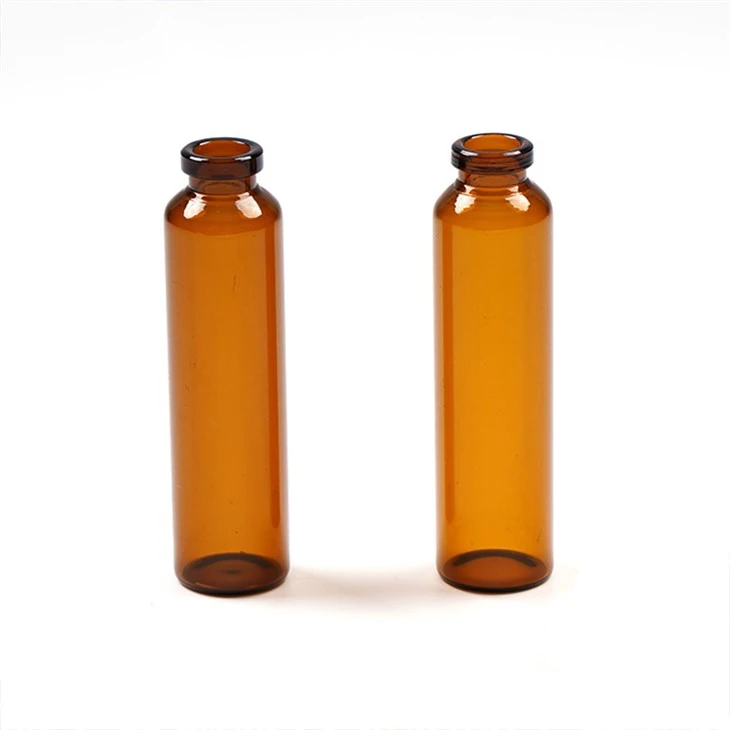
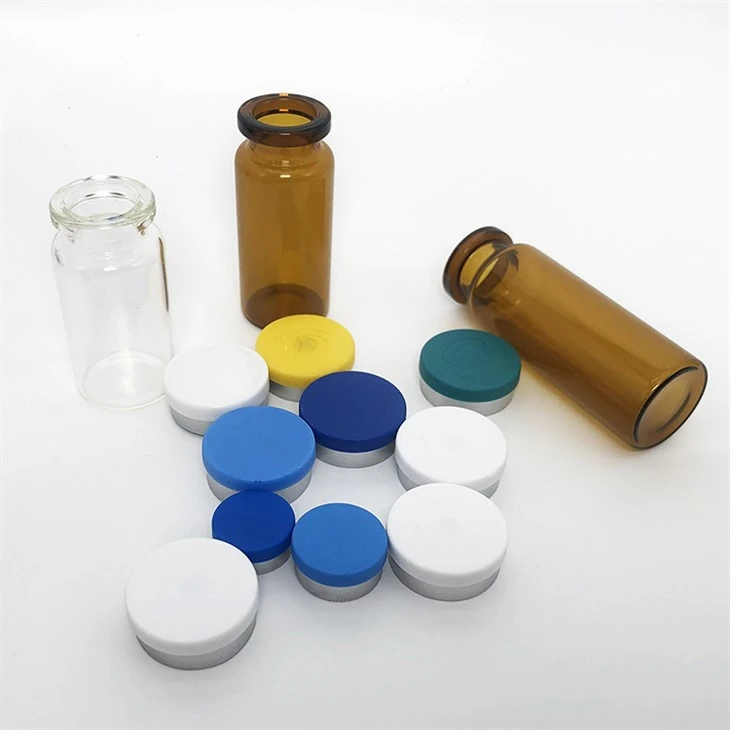
If the vials cannot be reused, they should be disposed of properly. Glass vials are recyclable, so you can separate them from other waste and send them to a glass recycling facility.
Our Glass Vial Products
At our company, we offer a wide range of glass vials suitable for eye drops. Our 2ml Glass Bottle is a popular choice for small - volume eye drop formulations. It is made of high - quality glass that is resistant to chemical corrosion and provides a good barrier against oxygen and moisture.
Our Glass Injection Vials are also suitable for eye drops. They are designed with precision to ensure accurate dosing and are available in various sizes to meet different needs.
For those who need smaller vials, our Mini Bottles Glass are a great option. They are compact and easy to carry, making them ideal for travel - sized eye drop products.
Contact for Purchase and Consultation
If you are interested in our glass vials or have any questions about cleaning or using them, please feel free to contact us. We are always ready to provide you with professional advice and high - quality products. Whether you are a pharmaceutical manufacturer, a research institution, or a distributor, we can meet your specific requirements.
References
- Pharmaceutical Packaging Technology Handbook.
- Guidelines for Cleaning and Sterilization of Medical Containers.