

In the pharmaceutical and laboratory industries, labeling a vial correctly is not just a matter of aesthetics; it's a critical step that ensures safety, compliance, and efficient identification. As a vial supplier, I understand the importance of providing clear guidance on how to label vials properly. This blog post will delve into the essential aspects of vial labeling, including the information to include, the methods of labeling, and best practices.
Information to Include on a Vial Label
1. Product Name and Description
The most fundamental information on a vial label is the name of the product inside. Whether it's a medication, a chemical reagent, or a biological sample, the product name should be clearly visible. Alongside the name, a brief description can be added to provide more context. For example, if it's a medication, the description could include the active ingredient and its concentration.
2. Batch Number and Expiry Date
Batch numbers are crucial for traceability. They allow manufacturers and users to track the production history of a particular batch of products. In case of a recall or quality issue, the batch number helps in identifying the affected products. The expiry date indicates the period during which the product is guaranteed to be safe and effective. It's important to display this information prominently to prevent the use of expired products.
3. Storage Conditions
Proper storage is essential for maintaining the quality of the product inside the vial. The label should specify the recommended storage conditions, such as temperature range, humidity level, and whether the vial should be stored in the dark. For example, some medications need to be stored in a refrigerator, while others should be kept at room temperature.
4. Safety Warnings and Precautions
Depending on the nature of the product, safety warnings and precautions should be included on the label. If the product is a hazardous chemical, the label should indicate the appropriate safety measures, such as wearing protective gloves and goggles. For medications, warnings about potential side effects and contraindications should be provided.
5. Usage Instructions
Clear usage instructions are necessary for the correct and safe use of the product. This could include information on dosage, administration route (e.g., oral, injectable), and frequency of use. For laboratory reagents, the label might include instructions on how to prepare and use the reagent.
Methods of Labeling Vials
1. Direct Printing
Direct printing involves printing the label information directly onto the vial surface. This method is commonly used for glass vials. Laser printing is a popular technique for direct printing as it provides high-resolution and durable prints. The advantage of direct printing is that the label is an integral part of the vial, reducing the risk of label peeling or falling off.
2. Adhesive Labels
Adhesive labels are widely used for vial labeling. They come in various materials, such as paper, plastic, and polyester. Adhesive labels can be pre-printed or printed on-demand using label printers. The advantage of adhesive labels is their flexibility in terms of design and customization. They can be easily applied to vials of different shapes and sizes.
3. Heat Shrink Labels
Heat shrink labels are made of a plastic material that shrinks when heated. They are placed over the vial and then heated, causing the label to conform tightly to the vial surface. Heat shrink labels provide a 360-degree coverage of the vial, offering a large area for labeling. They are also resistant to moisture and abrasion.
Best Practices for Vial Labeling
1. Use High-Quality Labels and Inks
The quality of the labels and inks used for vial labeling is crucial. High-quality labels are more durable and less likely to peel or fade over time. Similarly, high-quality inks ensure that the printed information remains clear and legible. When choosing labels and inks, consider factors such as resistance to chemicals, moisture, and temperature.
2. Ensure Legibility
The label information should be easy to read. Use a font size and style that is clear and legible from a reasonable distance. Avoid using overly small fonts or fancy fonts that may be difficult to read. The contrast between the text and the background of the label should also be sufficient to enhance legibility.
3. Follow Regulatory Requirements
Different industries and regions have specific regulatory requirements for vial labeling. For example, the pharmaceutical industry is subject to strict regulations regarding the information that must be included on medication labels. It's important to stay updated on these regulations and ensure that your vial labels comply with them.
4. Test the Labeling Process
Before implementing a new labeling process or using a new type of label, it's advisable to conduct tests. Test the adhesion of the label to the vial surface, the durability of the printed information under different conditions, and the legibility of the label. This will help you identify any potential issues and make necessary adjustments.
Our Vial Products
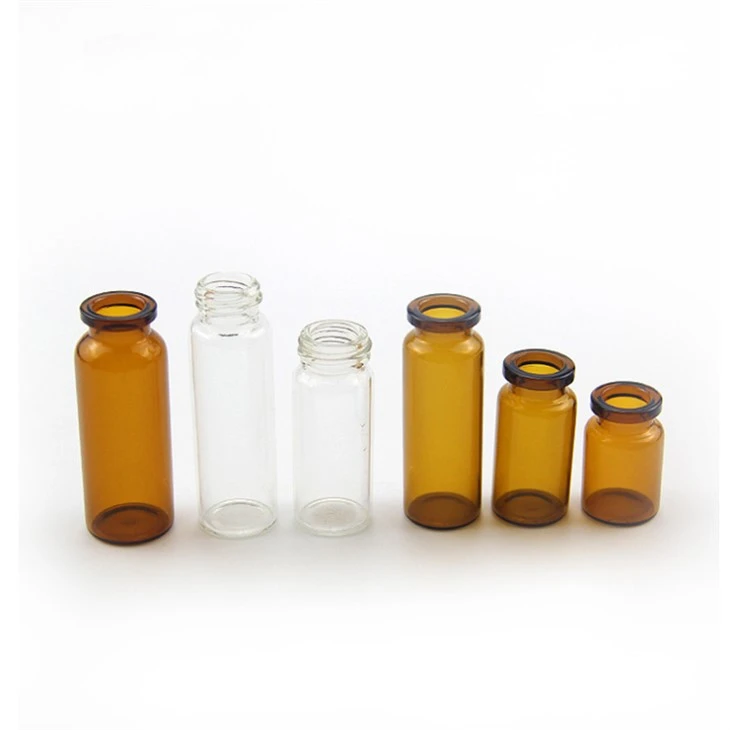
As a vial supplier, we offer a wide range of vials suitable for various applications. Our Medicine Packaging Bottle is designed specifically for pharmaceutical products. It provides excellent protection for medications and is available in different sizes and shapes.
For smaller volumes, our Penicillin Bottle 10ml is a popular choice. It's commonly used for storing injectable medications and small samples.
If you need vials for special applications or limited quantities, our Mini Bottles Glass are a great option. They are ideal for storing small amounts of precious or rare substances.
Conclusion
Labeling a vial correctly is an important task that requires attention to detail. By including the necessary information, choosing the right labeling method, and following best practices, you can ensure that your vials are labeled accurately and safely. As a vial supplier, we are committed to providing high-quality vials and supporting our customers in their labeling needs. If you are interested in our vial products or have any questions about vial labeling, please feel free to contact us for further discussion and procurement negotiations.

References
- Pharmaceutical Labeling Regulations: U.S. Food and Drug Administration (FDA)
- Laboratory Safety Guidelines: Occupational Safety and Health Administration (OSHA)
- Labeling Standards for Chemical Products: Globally Harmonized System of Classification and Labelling of Chemicals (GHS)