

Do glass vials come with caps? This is a question that many of our customers often ask. As a leading supplier of glass vials, I'm here to provide you with a comprehensive answer.
The Standard Packaging of Glass Vials
In most cases, glass vials do come with caps. When we manufacture and supply glass vials, we understand that the cap is an essential part of the product. Caps serve multiple purposes, including protecting the contents of the vial from contamination, preventing leakage, and maintaining the integrity of the product.
For example, in the pharmaceutical industry, the use of proper caps on glass vials is crucial. Pharmaceutical products are highly sensitive to environmental factors such as air, moisture, and light. A well - fitting cap can effectively isolate the medicine in the 1ml Glass Bottle from these external elements. This ensures that the quality and efficacy of the medicine are maintained throughout its shelf - life.
In the cosmetic industry, glass vials are often used to store high - end serums and essential oils. These products are expensive and need to be protected from oxidation and evaporation. Caps on glass vials play a vital role in preserving the properties of these cosmetic products.
Types of Caps for Glass Vials
There are several types of caps available for glass vials, each with its own unique features and applications.
-
Screw Caps: Screw caps are one of the most common types of caps for glass vials. They are easy to use and provide a tight seal. Screw caps can be made from different materials, such as plastic or metal. Plastic screw caps are lightweight and cost - effective, while metal screw caps offer a more premium look and better durability. These caps are widely used in both the pharmaceutical and cosmetic industries, especially for Pharmacy Bottle Glass.
-
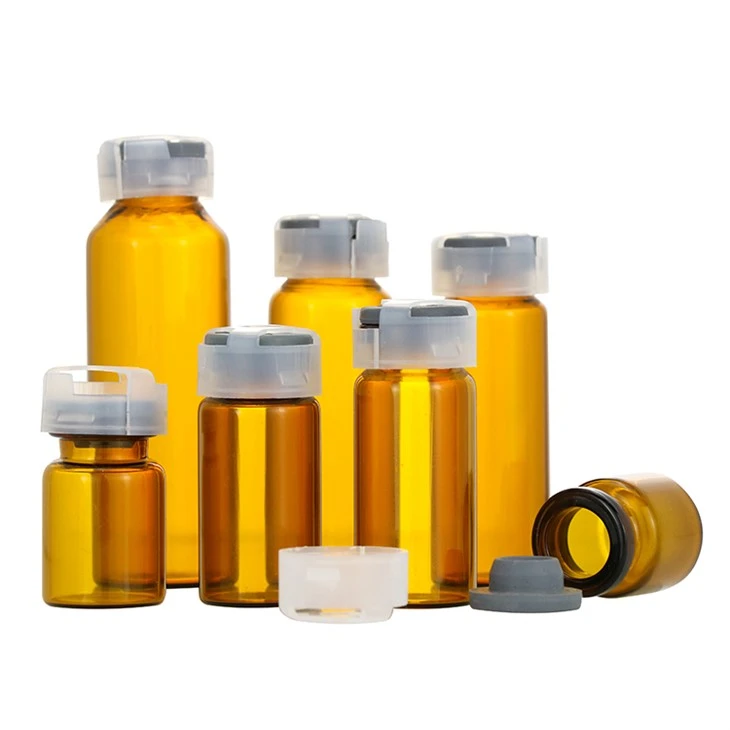
Snap - On Caps: Snap - on caps are designed to be easily snapped onto the top of the glass vial. They are quick to install and remove, making them suitable for products that need to be accessed frequently. Snap - on caps are often used in laboratories for storing small samples, as well as in the food and beverage industry for storing flavorings and extracts.
-
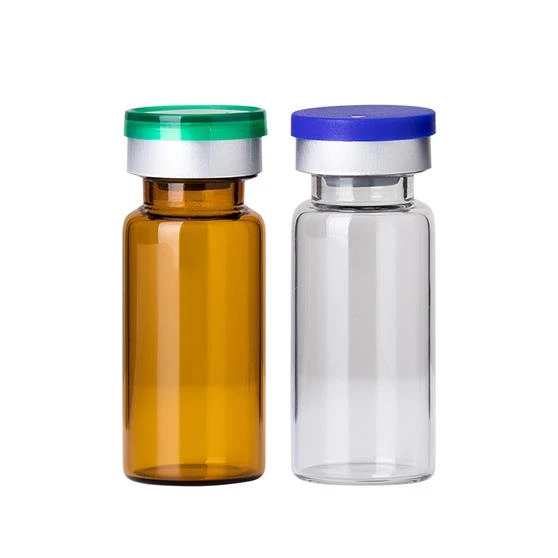
Crimp Caps: Crimp caps are commonly used in the pharmaceutical industry for sealing glass vials that contain injectable medications. These caps are sealed onto the vial using a crimping tool, creating an airtight and tamper - evident seal. Crimp caps are usually made of metal, and they provide a high level of security for the product inside the Clear Medicine Bottle.
Customization of Caps
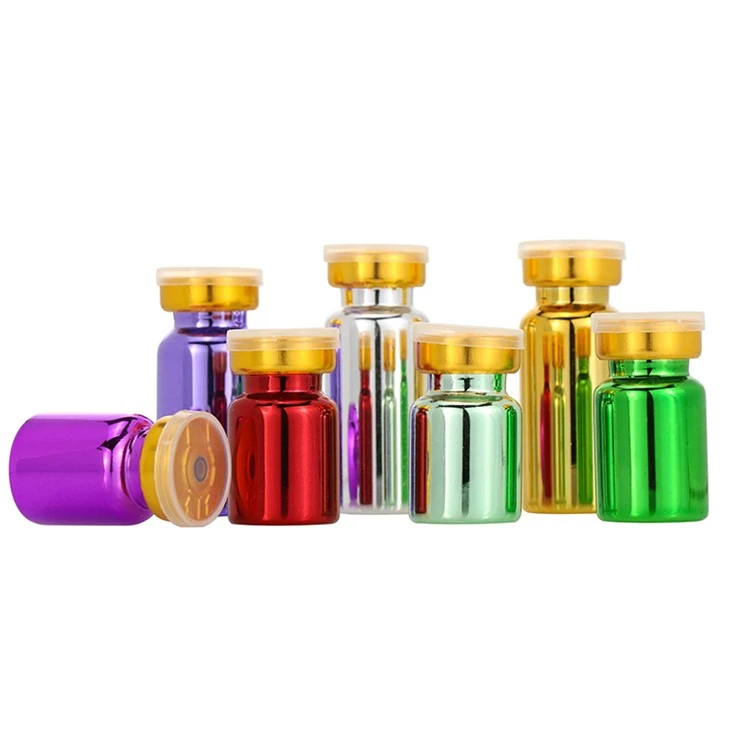
We understand that different customers may have different requirements for caps on glass vials. That's why we offer customization services. Customers can choose the material, color, and design of the caps according to their specific needs.
For example, some customers may require caps with special markings or logos for brand promotion. We can print or engrave these markings on the caps to meet their branding requirements. Additionally, for customers who need caps with specific sealing properties, such as high - temperature resistance or chemical resistance, we can develop customized caps using advanced materials and manufacturing processes.
Quality Assurance of Caps
At our company, we place great emphasis on the quality of both glass vials and their caps. We have a strict quality control system in place to ensure that all caps meet the highest standards.
Before the caps are assembled with the glass vials, they undergo a series of tests. These tests include dimensional inspection to ensure that the caps fit properly on the vials, seal integrity testing to check for leakage, and material quality testing to ensure that the caps are made of safe and reliable materials.
We also conduct regular audits of our suppliers to ensure that the raw materials used for manufacturing the caps are of high quality. By maintaining strict quality control, we can guarantee that our customers receive glass vials with caps that are both functional and reliable.
Pricing and Cost Considerations
The price of glass vials with caps is influenced by several factors. The type of cap, the material used, and the quantity ordered all play a role in determining the cost.
Screw caps and snap - on caps are generally more cost - effective compared to crimp caps, especially for large - scale orders. The material of the cap also affects the price. Plastic caps are usually cheaper than metal caps, but metal caps may offer better performance and a more premium appearance.
When it comes to quantity, ordering in bulk can significantly reduce the unit cost. We offer volume discounts to our customers, which makes it more economical for them to purchase glass vials with caps.
Importance of Caps in Shipping and Storage
Caps are not only important for the protection of the product inside the glass vial but also for shipping and storage. During transportation, glass vials are subject to various vibrations and shocks. A well - sealed cap can prevent the contents from spilling out and damaging other products or the shipping container.
In storage, caps help to maintain the stability of the product. They prevent the entry of dust, moisture, and other contaminants, which can extend the shelf - life of the product. For example, in a warehouse environment, glass vials with proper caps can be stored for longer periods without the risk of product degradation.
Contact Us for Purchase and Negotiation
If you are interested in purchasing glass vials with caps, we invite you to contact us. We have a professional sales team that can provide you with detailed product information, pricing quotes, and customization options. Whether you are in the pharmaceutical, cosmetic, food, or any other industry that requires glass vials, we can meet your specific needs.
We understand that every customer's requirements are unique, and we are committed to providing you with the best solutions. So, don't hesitate to reach out to us for further discussions on your glass vial and cap needs.
References
- Pharmaceutical Packaging Technology Handbook, Second Edition by Donald E. Bugusu
- Cosmetic Packaging: Design, Technology, and Innovation by Mark A. Johnson
- Glass Packaging: Materials, Design, and Manufacturing by John W. Hall