

When it comes to selecting the right aluminum cap for your specific needs, the closure type plays a pivotal role. As a trusted aluminum cap supplier, I've witnessed firsthand how the choice of closure can significantly impact the functionality, safety, and overall user experience of your product. In this blog post, I'll guide you through the various closure types available and help you make an informed decision.
Screw Caps
Screw caps are one of the most common closure types for aluminum caps. They are known for their ease of use and reliable seal. The threading on the cap and the bottle neck allows for a tight and secure fit, preventing leakage and keeping the contents fresh. Screw caps are available in a variety of sizes and styles, making them suitable for a wide range of applications.
One of the key advantages of screw caps is their reusability. Once opened, the cap can be easily screwed back on, providing a convenient way to reseal the bottle. This makes them ideal for products that are used over an extended period, such as medications, cosmetics, and food items. Screw caps also offer excellent protection against external factors, such as dust, moisture, and air, which can help preserve the quality of the contents.
However, it's important to note that screw caps may not be suitable for all applications. For example, if you're looking for a cap that provides a child-resistant closure, you may need to consider other options. Additionally, screw caps can be more difficult to open for some users, especially those with limited hand strength.
Press-On Caps
Press-on caps, also known as snap caps, are another popular closure type for aluminum caps. They are designed to be easily pressed onto the bottle neck, creating a tight seal without the need for threading. Press-on caps are typically made of a flexible material, such as plastic or rubber, which allows them to conform to the shape of the bottle neck and provide a secure fit.
One of the main advantages of press-on caps is their simplicity. They are quick and easy to apply, making them a cost-effective option for high-volume production. Press-on caps also offer a good level of protection against leakage and contamination, making them suitable for a variety of products, including beverages, chemicals, and personal care items.
However, press-on caps may not provide as tight of a seal as screw caps, especially if the bottle is subjected to rough handling or vibration. Additionally, they may not be suitable for products that require a long-term seal, as the cap may eventually lose its grip and come off.
Roll-On Pilfer-Proof Caps
Roll-on pilfer-proof (ROPP) caps are a type of closure that is commonly used for alcoholic beverages, pharmaceuticals, and other high-value products. They are designed to provide a tamper-evident seal, which helps to ensure the integrity of the product and protect it from unauthorized access.
ROPP caps are typically made of aluminum and are applied to the bottle using a special machine. The cap is rolled onto the bottle neck, creating a tight and secure fit. Once the cap is applied, it cannot be removed without breaking the seal, which provides a clear indication of tampering.
One of the key advantages of ROPP caps is their high level of security. They are difficult to counterfeit and provide a reliable way to protect your product from tampering. ROPP caps also offer a good level of protection against leakage and contamination, making them suitable for a variety of products.
However, ROPP caps can be more expensive than other closure types, and they require specialized equipment to apply. Additionally, they may not be suitable for all applications, especially if you're looking for a cap that can be easily opened and resealed.
Crimp Caps
Crimp caps are a type of closure that is commonly used for glass bottles, especially those used for wine, champagne, and other sparkling beverages. They are designed to provide a tight and secure seal, which helps to preserve the carbonation and flavor of the beverage.
Crimp caps are typically made of aluminum and are applied to the bottle using a crimping machine. The cap is placed over the bottle neck, and the edges are crimped down to create a tight seal. Once the cap is applied, it cannot be removed without using a special tool, such as a corkscrew or a bottle opener.
One of the main advantages of crimp caps is their ability to provide a long-term seal. They are designed to withstand the pressure of carbonated beverages and prevent leakage, which helps to preserve the quality of the product. Crimp caps also offer a traditional and elegant look, which can enhance the appeal of your product.

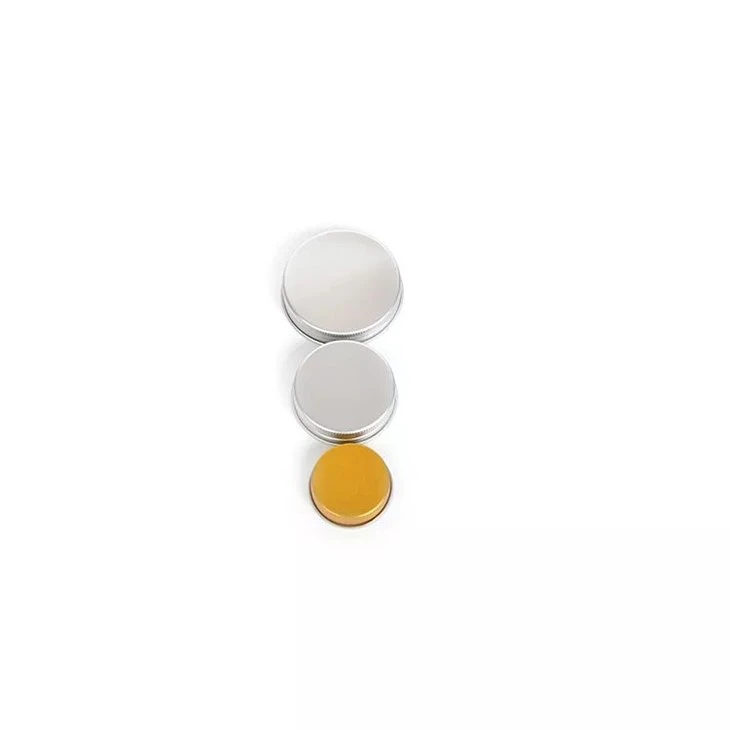
However, crimp caps can be more difficult to apply and remove than other closure types, and they require specialized equipment. Additionally, they may not be suitable for all applications, especially if you're looking for a cap that can be easily opened and resealed.
Choosing the Right Closure Type
Now that you have a better understanding of the various closure types available, it's time to choose the right one for your specific needs. Here are some factors to consider when making your decision:
- Product Type: The type of product you're packaging will play a significant role in determining the appropriate closure type. For example, if you're packaging a liquid product, you'll need a closure that provides a tight seal to prevent leakage. If you're packaging a powder or granular product, you may need a closure that allows for easy pouring and dispensing.
- Application: The way your product will be used and stored will also influence your choice of closure type. For example, if your product will be used over an extended period, you may need a closure that can be easily opened and resealed. If your product will be stored in a harsh environment, you may need a closure that provides a high level of protection against moisture, dust, and other contaminants.
- Safety and Security: Depending on the nature of your product, you may need a closure that provides a high level of safety and security. For example, if you're packaging a pharmaceutical product, you'll need a closure that is child-resistant and tamper-evident. If you're packaging a high-value product, you may need a closure that provides a high level of protection against theft and counterfeiting.
- Cost: The cost of the closure type will also be a factor to consider. Some closure types, such as ROPP caps, can be more expensive than others. You'll need to balance the cost of the closure with the level of protection and functionality it provides.
Our Aluminum Cap Offerings
As an aluminum cap supplier, we offer a wide range of closure types to meet the diverse needs of our customers. Our product portfolio includes:
- Aluminum Foil Bottle Cover: These caps are designed to provide a tight and secure seal for bottles, jars, and other containers. They are available in a variety of sizes and styles, and can be customized with your logo or branding.
- Aluminum Vial Cap: These caps are specifically designed for vials and other small containers. They are available in a variety of colors and finishes, and can be customized with your logo or branding.
- Medical Aluminum Caps: These caps are designed to meet the strict requirements of the medical industry. They are available in a variety of sizes and styles, and can be customized with your logo or branding.
Contact Us for a Quote
If you're looking for a reliable aluminum cap supplier, look no further. Our team of experts is here to help you choose the right closure type for your specific needs and provide you with a high-quality product at a competitive price. Contact us today to request a quote and learn more about our aluminum cap offerings.
References
- Packaging Machinery Manufacturers Institute (PMMI). (n.d.). Closure Types and Applications. Retrieved from https://www.pmmi.org/resources/closure-types-and-applications
- European Aluminium Foil Association (EAFA). (n.d.). Aluminium Foil Packaging. Retrieved from https://www.alufoil.org/aluminium-foil-packaging
- International Organization for Standardization (ISO). (n.d.). Packaging - Closures for Bottles, Jars and Tubes. Retrieved from https://www.iso.org/standard/62834.html