

Hey there! I'm a supplier of glass vials, and today I'm gonna share with you how to choose a glass vial with a proper closure. It might seem like a simple task, but there are actually quite a few factors to consider.
Understanding Your Needs
First things first, you gotta figure out what you'll be using the glass vial for. Are you storing chemicals, medications, or maybe some precious essential oils? Different substances have different requirements when it comes to storage.
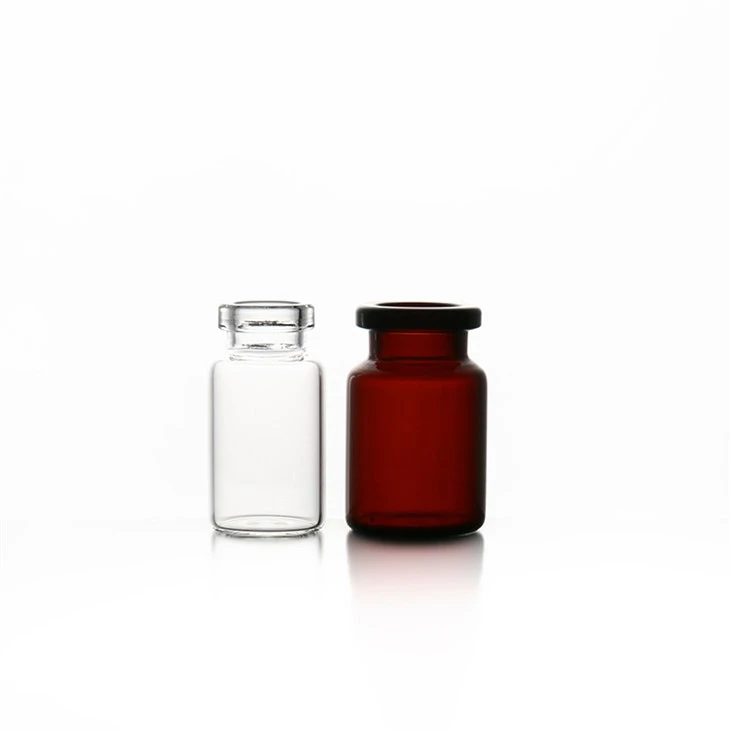
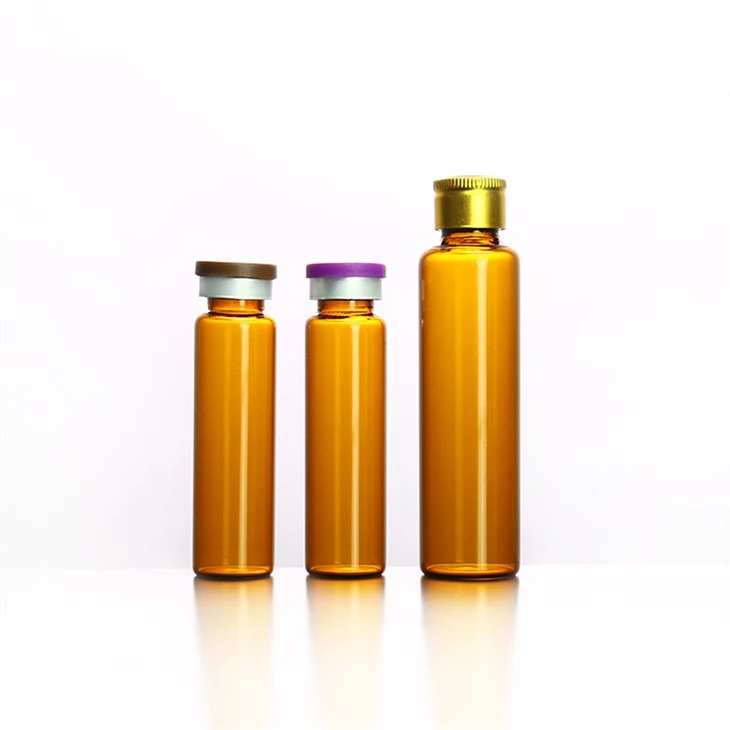
If you're dealing with something like Freeze-dried Powder Bottle, you'll need a vial that can keep the powder dry and protected from moisture. On the other hand, if it's a Medical Vial for storing medications, it has to meet strict safety and sterility standards.
Types of Glass Vials
There are several types of glass vials out there, and each has its own pros and cons.
- Borosilicate Glass Vials: These are super popular because they're resistant to thermal shock and chemical corrosion. They can handle high temperatures without cracking, making them great for processes like autoclaving. If you're doing any kind of lab work or need to store substances that require sterilization, borosilicate glass vials are a solid choice.
- Soda-Lime Glass Vials: They're more affordable than borosilicate glass vials and are commonly used for general-purpose storage. However, they're not as resistant to heat and chemicals, so they might not be the best option for more demanding applications.
- Amber Glass Vials: If you're storing light-sensitive substances, amber glass vials are your best bet. The amber color blocks out UV light, preventing the contents from degrading due to exposure to sunlight or artificial light.
The Importance of Closures
Now, let's talk about closures. The right closure is just as important as the vial itself. It keeps the contents secure, prevents leaks, and maintains the integrity of the product.
- Screw Caps: These are easy to use and provide a tight seal. They come in different sizes and materials, such as plastic or metal. Screw caps are great for general-purpose vials and are often used for storing liquids or powders.
- Stoppers: Rubber stoppers are commonly used in medical and pharmaceutical applications. They're flexible and can be easily inserted into the vial to create a seal. Some stoppers are also designed to be pierceable, which is useful for injecting or withdrawing substances.
- Crimp Caps: These are typically used with vials that require a hermetic seal. Crimp caps are applied using a special tool, which crimps the cap onto the vial to create a tight, airtight seal. They're commonly used for storing vaccines, injectable medications, and other sensitive substances.
Factors to Consider When Choosing a Closure
- Compatibility: Make sure the closure is compatible with the vial and the contents. For example, if you're using a glass vial, you'll need a closure that won't react with the glass or the substance inside.
- Seal Integrity: The closure should provide a reliable seal to prevent leaks and contamination. Look for closures that have been tested for seal integrity and meet industry standards.
- Ease of Use: Consider how easy it is to open and close the vial. If you're using the vial frequently, you'll want a closure that's easy to handle.
- Cost: Closures can vary in price, so it's important to consider your budget. However, don't sacrifice quality for cost, as a poor-quality closure could lead to product spoilage or safety issues.
Matching the Vial and Closure
Once you've chosen the right vial and closure, it's important to make sure they're a good match. Here are some tips to help you do that:
- Size: The closure should fit snugly on the vial. Make sure you choose a closure that's the right size for your vial.
- Material: The material of the closure should be compatible with the vial and the contents. For example, if you're using a glass vial, you'll want a closure that won't scratch or damage the glass.
- Application: Consider the application of the vial and closure. If you're using the vial for a specific process or industry, make sure the vial and closure meet the requirements of that application.
Other Considerations
- Labeling: If you need to label the vial, make sure the closure doesn't interfere with the labeling process. Some closures have a flat surface that's perfect for labeling, while others might require a different approach.
- Sterility: If you're using the vial for medical or pharmaceutical applications, make sure the vial and closure are sterile. You might need to choose a vial and closure that are pre-sterilized or that can be easily sterilized before use.
- Environmental Impact: If you're concerned about the environment, consider choosing a vial and closure that are made from sustainable materials or that can be recycled.
Conclusion
Choosing a glass vial with a proper closure is an important decision that can have a big impact on the quality and safety of your product. By understanding your needs, considering the different types of vials and closures available, and matching them appropriately, you can ensure that you choose the right combination for your application.
If you're in the market for glass vials and closures, I'd love to help. As a supplier, I have a wide range of options to choose from, and I can work with you to find the perfect solution for your needs. Whether you need a 10ml Glass Bottle or something larger, I've got you covered. Just reach out, and we can start discussing your requirements.
References
- ASTM International. (2023). Standard Terminology for Glass Containers. ASTM D1209-23.
- International Organization for Standardization. (2022). Packaging - Glass Containers - General Requirements. ISO 9001:2022.
- United States Pharmacopeia. (2023). General Chapter <661.1> Glass Containers for Pharmaceutical Use. USP 46 - NF 41.