

Hey there! As a penicillin bottle supplier, I've seen firsthand how crucial proper storage is for these little containers. Penicillin bottles aren't just any old glass; they hold powerful medications that need to be kept in tip - top shape. So, let's dive into how penicillin bottles should be stored.
Temperature Control
First off, temperature is a big deal. Penicillin and many of the drugs stored in these bottles are sensitive to heat and cold. You don't want to expose them to extreme temperatures. Generally, a cool, consistent environment is best. Most penicillin medications need to be stored between 2°C and 8°C (that's about 36°F to 46°F). This is why you often see them in refrigerators at pharmacies.
If you're a pharmacy or a medical facility, you should have a dedicated fridge just for storing these medications in their penicillin bottles. And it's not just about setting the right temperature; you also need to make sure the fridge maintains that temperature consistently. Fluctuations can cause the penicillin to break down, which is a huge no - no.
For those of you who are using penicillin at home, keep the bottles in the fridge, but not in the door. The door gets opened and closed a lot, causing temperature changes. Instead, place them on one of the middle shelves where the temperature is more stable.
Light Exposure
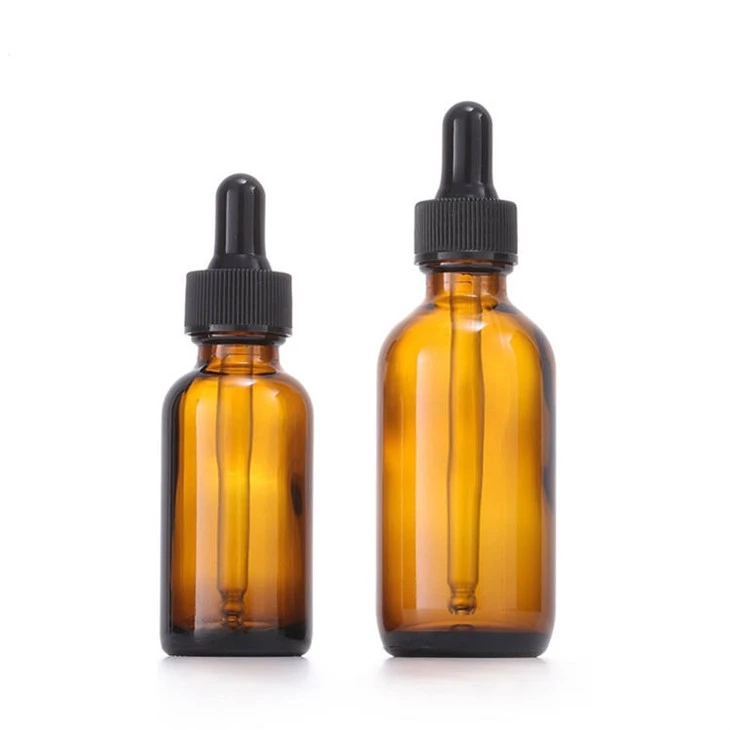
Light is another enemy of penicillin. Ultraviolet (UV) light can degrade the penicillin in the bottles over time. That's why many penicillin bottles are made of colored glass, like Blue Glass Bottle. The blue glass helps to block out harmful UV rays.
Even with the protective glass, you still need to store the bottles in a dark place. At home, a cabinet or a drawer away from direct sunlight is ideal. In a medical setting, storage cabinets should be opaque or have UV - blocking features. If you're transporting penicillin bottles, use a dark - colored container to shield them from light.
Humidity Management
Humidity can also affect the quality of penicillin. High humidity can cause the labels on the bottles to peel off, making it difficult to identify the contents. It can also lead to the growth of mold on the outside of the bottles, which is definitely not something you want.
In a medical facility, the storage area should have a controlled humidity level. A dehumidifier can be used to keep the humidity between 30% and 50%. At home, you can use a small dehumidifier in the room where you store the penicillin bottles, especially if you live in a humid climate.
If you notice any condensation inside the penicillin bottle, that's a sign that the humidity is too high. You should transfer the penicillin to a new, dry bottle if possible, and take steps to reduce the humidity in the storage area.
Storage Orientation
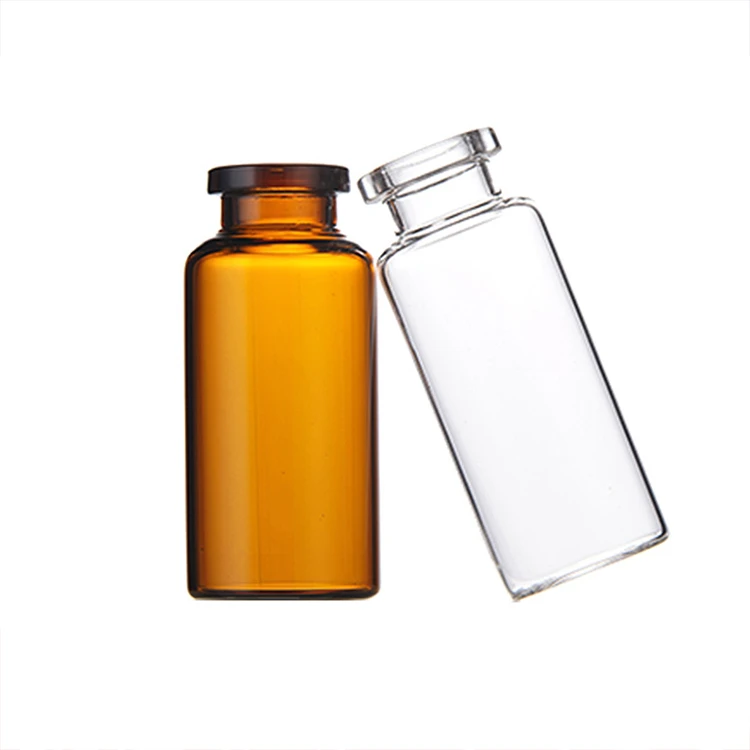
The way you store the penicillin bottles matters too. They should be stored upright. This helps to prevent the liquid from coming into contact with the rubber stopper for an extended period. If the liquid sits on the stopper, it can cause the rubber to break down and contaminate the penicillin.
In a storage cabinet, use shelves that are level so the bottles stay upright. When transporting the bottles, make sure they are secured in an upright position. You don't want them to tip over and spill or get damaged.
Cleaning and Hygiene
Before storing penicillin bottles, make sure they are clean. Any dirt or debris on the outside of the bottle can potentially contaminate the contents. Wipe the bottles with a clean, dry cloth before putting them in storage.
In a medical facility, storage areas should be cleaned regularly. Shelves should be disinfected to prevent the growth of bacteria and other pathogens. At home, you can use a mild soap and water to clean the storage area where you keep the penicillin bottles.
Compatibility with Other Substances
Penicillin bottles should be stored away from other substances that could react with them. For example, don't store them near strong acids or bases. These chemicals can corrode the glass or cause the penicillin to break down.
In a medical storage room, different types of medications should be separated. Use different shelves or cabinets for different drug classes. This not only helps with preventing chemical reactions but also makes it easier to find the penicillin bottles when you need them.
Labeling and Identification
Proper labeling is essential for penicillin bottles. The label should include the name of the medication, the dosage, the expiration date, and any special instructions. Make sure the label is clear and legible.
In a medical facility, barcoding systems can be used to keep track of the penicillin bottles. This helps with inventory management and ensures that expired bottles are removed from storage in a timely manner. At home, you can use a marker to write the date you opened the bottle on the label. This way, you'll know how long the penicillin has been in use.
Packaging Integrity
Always check the packaging of the penicillin bottles before storing them. Look for any cracks, chips, or leaks. A damaged bottle can lead to the contamination of the penicillin or the leakage of the medication.
If you find a damaged bottle, don't use it. In a medical setting, report the damaged bottle to the appropriate personnel so it can be disposed of properly. At home, you should contact your pharmacy or doctor for guidance on what to do with the damaged bottle.
Storage in Bulk
If you're a medical facility or a large - scale user, you might be storing penicillin bottles in bulk. In this case, you need to pay extra attention to organization. Use pallets or shelves to stack the bottles neatly. Make sure there is enough space between the stacks for air circulation.
You should also rotate your stock. Use the “first - in, first - out” (FIFO) method, which means using the oldest bottles first. This helps to ensure that none of the penicillin expires while in storage.
Handling and Transport
When handling penicillin bottles, be gentle. Don't drop or shake them too hard. Rough handling can cause the penicillin to foam or break down. Use gloves when handling the bottles to prevent the transfer of oils and dirt from your hands.
During transport, use a padded container to protect the bottles from shocks and vibrations. If you're shipping the bottles, make sure the shipping company follows proper temperature, light, and humidity guidelines.
In conclusion, proper storage of penicillin bottles is essential to maintain the effectiveness and safety of the penicillin. By controlling temperature, light, humidity, and following the other tips I've mentioned, you can ensure that the penicillin remains in good condition.
If you're in the market for high - quality penicillin bottles, we've got a great selection, including 60 Ml Glass Bottles and Medicine Bottle. We're here to provide you with the best products for your penicillin storage needs. If you're interested in purchasing our penicillin bottles, don't hesitate to reach out for a procurement discussion. We'll be happy to work with you to meet your requirements.
References
- "Pharmaceutical Packaging and Storage Guidelines" - A guide published by a leading pharmaceutical industry association.
- "Penicillin: Properties and Storage" - A research paper on the stability of penicillin under different storage conditions.
- "Home Medication Storage Best Practices" - A consumer - focused article on storing medications safely at home.