

Can a 32mm rubber stopper be used in a food processing machine? This is a question that many in the food industry often ponder. As a supplier of 32mm rubber stoppers, I am well - versed in the characteristics of these products and the requirements of the food processing environment. In this blog, I will delve into the factors that determine whether a 32mm rubber stopper can be used in a food processing machine.
Material Compatibility
The first and most crucial factor is the material of the rubber stopper. In the food processing industry, the rubber used must be food - grade. Food - grade rubber is formulated to meet strict safety standards, ensuring that it does not contaminate the food products.
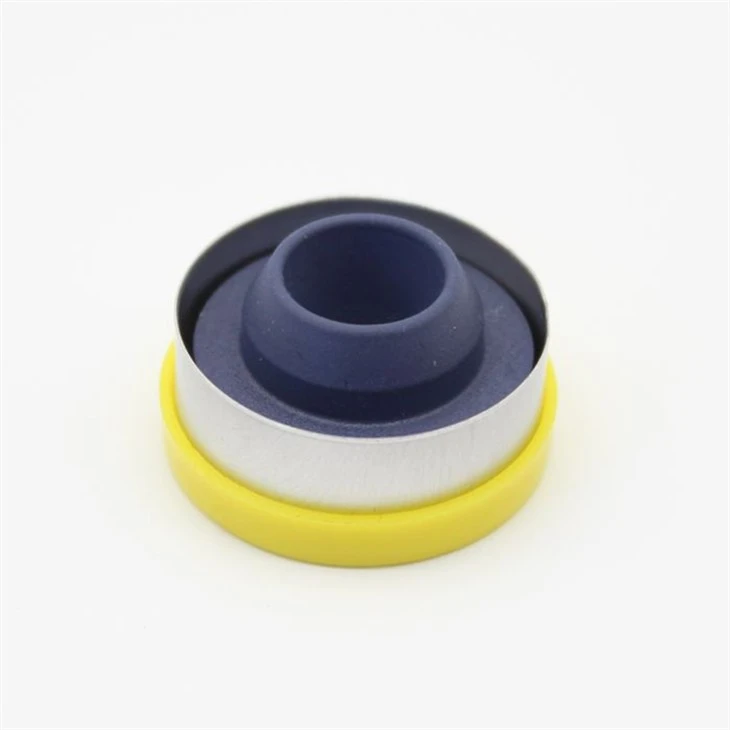
One common type of rubber used for stoppers is butyl rubber. Butyl rubber stoppers are known for their excellent chemical resistance and low permeability to gases and moisture. Butyl Rubber Stopper has properties that make it suitable for many food processing applications. It can withstand a wide range of temperatures, which is essential in food processing where processes like pasteurization and freezing are common.
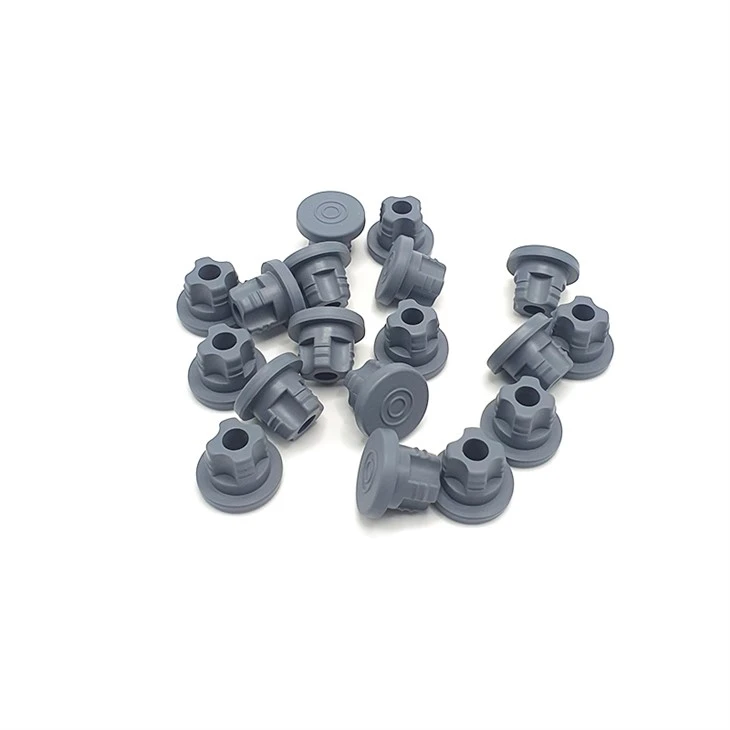
Another type is gray rubber. Gray rubber stoppers are often used in various industries, and some are specifically designed to be food - grade. Gray Rubber Stopper can provide a good seal and is relatively durable. However, it is important to ensure that the gray rubber used in the stopper is free from harmful additives and complies with food safety regulations.
Lyophilized stoppers, such as Lyophilized Stopper, are used in processes like freeze - drying in the food industry. These stoppers need to maintain their integrity during the extreme temperature changes associated with lyophilization. They must also prevent the ingress of contaminants during the process, which is critical for the quality and safety of the final food product.
Sealing Performance
A 32mm rubber stopper must provide an effective seal in a food processing machine. In food processing, preventing the entry of air, moisture, and microorganisms is vital to maintain the quality and shelf - life of the products.
The design of the stopper plays a significant role in its sealing performance. A well - designed 32mm rubber stopper should fit snugly into the opening it is meant to seal. The rubber material should have the right amount of elasticity to conform to the shape of the opening and create a tight seal.
The surface finish of the stopper also affects the seal. A smooth surface can reduce the chances of leaks and make it easier to clean, which is important in a food processing environment. Additionally, the stopper should be able to withstand the pressure changes that occur during food processing operations. For example, in a high - pressure filling process, the stopper must not deform or break, as this could lead to product contamination.
Hygiene and Cleanability
Hygiene is of utmost importance in the food processing industry. A 32mm rubber stopper must be easy to clean and sterilize. Rubber stoppers can accumulate food residues, dirt, and microorganisms over time, which can pose a risk to food safety if not properly removed.
Food - grade rubber stoppers should be resistant to common cleaning agents used in the food industry. They should not absorb these cleaning agents, as this could lead to chemical residues on the stopper and potentially contaminate the food.
The shape and design of the stopper can also impact its cleanability. Stoppers with simple, smooth shapes are generally easier to clean than those with complex geometries. For example, a stopper with no crevices or hard - to - reach areas is less likely to harbor bacteria and other contaminants.
Temperature and Chemical Resistance
Food processing involves a variety of temperatures and chemical exposures. A 32mm rubber stopper must be able to withstand these conditions without degrading or releasing harmful substances.
As mentioned earlier, butyl rubber stoppers have good temperature resistance. They can tolerate both high and low temperatures without losing their elasticity or structural integrity. This is important in processes such as hot - filling, where the stopper is exposed to high - temperature food products, and in cold storage, where it needs to remain flexible at low temperatures.
In terms of chemical resistance, rubber stoppers may come into contact with various food ingredients, preservatives, and cleaning chemicals. They should not react with these substances, as this could lead to the leaching of chemicals into the food. For example, some acidic or alkaline food products may require a rubber stopper that is resistant to these pH levels.
Regulatory Compliance
Using a 32mm rubber stopper in a food processing machine requires compliance with various regulations. Different countries and regions have their own food safety standards, and it is the responsibility of both the supplier and the food processor to ensure that the stoppers meet these requirements.
Regulatory bodies often set limits on the amount of certain substances that can be present in food - contact materials. For example, they may restrict the use of heavy metals, plasticizers, and other potentially harmful chemicals in rubber stoppers. Suppliers should provide documentation and certificates to prove that their 32mm rubber stoppers comply with these regulations.
Conclusion
In conclusion, a 32mm rubber stopper can be used in a food processing machine, but several factors need to be carefully considered. The material of the stopper, its sealing performance, hygiene and cleanability, temperature and chemical resistance, and regulatory compliance are all crucial aspects.
As a supplier of 32mm rubber stoppers, I am committed to providing high - quality products that meet the strict requirements of the food processing industry. Our range of Gray Rubber Stopper, Lyophilized Stopper, and Butyl Rubber Stopper are designed with these factors in mind.
If you are in the food processing industry and are looking for reliable 32mm rubber stoppers, I encourage you to contact me for further discussions. We can work together to find the best solution for your specific needs.
References
- Food and Drug Administration (FDA) guidelines on food - contact materials.
- European Union food safety regulations for rubber products.
- Industry research on the performance of rubber stoppers in food processing applications.