

Hey there! As a rubber stopper supplier, I've heard tons of complaints from customers about rubber stoppers sticking to containers. It's a real pain in the neck, right? Not only does it make it difficult to open the container, but it can also damage the stopper and the container itself. So, I thought I'd share some tips on how to prevent rubber stoppers from sticking to containers.
Understanding Why Rubber Stoppers Stick
Before we dive into the prevention methods, let's first understand why rubber stoppers stick in the first place. There are a few reasons for this:
- Surface Adhesion: Rubber has a natural tendency to stick to smooth surfaces due to intermolecular forces. When the rubber stopper comes into contact with the container, these forces can cause it to adhere.
- Moisture: Moisture can act as a glue between the rubber stopper and the container. If the environment is humid or if there is moisture inside the container, it can increase the likelihood of sticking.
- Chemical Reactions: Some chemicals can react with the rubber, causing it to swell or become sticky. This can happen if the stopper is used with incompatible substances.
- Temperature Changes: Extreme temperature changes can cause the rubber to expand or contract, which can lead to sticking. For example, if a container with a rubber stopper is stored in a cold environment and then brought into a warm room, the rubber may expand and stick to the container.
Prevention Methods
Now that we know why rubber stoppers stick, let's look at some ways to prevent it:
1. Use a Lubricant
One of the easiest ways to prevent rubber stoppers from sticking is to use a lubricant. A thin layer of lubricant can reduce the surface adhesion between the rubber and the container. There are several types of lubricants you can use:
- Silicone Spray: Silicone spray is a popular choice because it is non-toxic, non-reactive, and provides a long-lasting lubricating effect. Simply spray a small amount on the rubber stopper and the inside of the container before inserting the stopper.
- Food-Grade Oil: If you're using rubber stoppers for food or beverage containers, you can use a food-grade oil like vegetable oil or olive oil. Apply a small amount to the stopper and the container using a clean cloth.
- Petroleum Jelly: Petroleum jelly is another option, but it's not suitable for all applications. It can leave a greasy residue and may not be compatible with some substances.
2. Keep the Environment Dry
As mentioned earlier, moisture can contribute to sticking. To prevent this, make sure the environment where the containers are stored is dry. You can use a dehumidifier to reduce the humidity in the storage area. Additionally, avoid storing containers in areas where they may be exposed to water or high humidity, such as near a sink or in a basement.
3. Choose the Right Rubber Material
Not all rubber materials are created equal. Some types of rubber are more prone to sticking than others. When selecting rubber stoppers for your containers, consider the following:

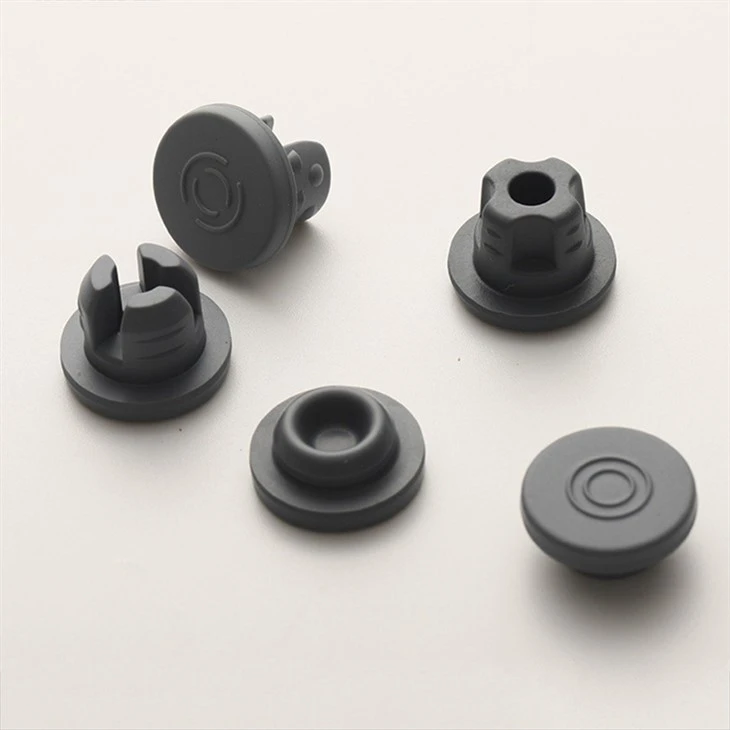
- Butyl Rubber: Butyl rubber is known for its low permeability and resistance to chemicals. It is less likely to stick to containers compared to other types of rubber. Chlorobutyl Rubber Stopper is a specific type of butyl rubber that offers even better performance in terms of chemical resistance and sealing properties.
- Silicone Rubber: Silicone rubber is another good option. It has excellent heat resistance, flexibility, and low surface adhesion. It is often used in applications where high temperatures or extreme conditions are involved.
4. Avoid Chemical Reactions
To prevent chemical reactions between the rubber stopper and the contents of the container, make sure to choose a stopper that is compatible with the substances you're using. If you're unsure, consult with a rubber expert or the manufacturer of the stopper. Additionally, avoid using rubber stoppers with strong acids, bases, or solvents unless they are specifically designed for such applications.
5. Store Containers Properly
Proper storage can also help prevent rubber stoppers from sticking. Here are some tips:
- Store at Room Temperature: Avoid storing containers in extreme temperatures. Keep them at a stable room temperature to prevent the rubber from expanding or contracting.
- Store Upright: Storing containers upright can help prevent the rubber stopper from coming into contact with the contents of the container, reducing the risk of sticking.
- Avoid Stacking: If possible, avoid stacking containers on top of each other. This can put pressure on the rubber stoppers, increasing the likelihood of sticking.
6. Clean the Stoppers and Containers Regularly
Regular cleaning can help remove any dirt, debris, or residue that may cause the rubber stopper to stick. Use a mild detergent and warm water to clean the stoppers and containers. Rinse them thoroughly and dry them completely before using them again.
Conclusion
Preventing rubber stoppers from sticking to containers is not rocket science. By understanding the reasons why they stick and implementing the prevention methods outlined above, you can ensure that your rubber stoppers work effectively and last longer.
As a rubber stopper supplier, we offer a wide range of high-quality rubber stoppers, including Pharmacutical Rubber Stopper and Medicine Bottle Rubber Stopper. Our stoppers are made from premium materials and are designed to provide a tight seal and prevent sticking.
If you're interested in purchasing rubber stoppers or have any questions about preventing sticking, please don't hesitate to contact us. We'd be happy to help you find the right solution for your needs.
References
- "Rubber Technology Handbook" by Werner Hofmann
- "Handbook of Elastomers" edited by Abraham N. Gent