

Can rubber vial stoppers be used in pharmaceutical vials?
In the pharmaceutical industry, the choice of packaging materials is of utmost importance. Among these, the use of rubber vial stoppers in pharmaceutical vials is a topic that warrants in - depth discussion. As a trusted rubber vial stopper supplier, I am well - versed in the ins and outs of this subject and would like to share some insights.
Compatibility with Pharmaceutical Products
One of the primary concerns when considering using rubber vial stoppers in pharmaceutical vials is their compatibility with the drugs or medications inside. Rubber stoppers are in direct contact with the pharmaceutical product, and any interaction between them can have a significant impact on the quality and safety of the drug.
The rubber material used in stoppers should be inert to the pharmaceutical contents. For example, if a drug is a highly reactive chemical compound, a rubber stopper that contains reactive substances may lead to chemical reactions. These reactions could result in the degradation of the drug, the formation of impurities, or a change in the drug's efficacy.
However, modern rubber vial stoppers are often made from high - quality, pharmaceutical - grade rubber materials. These materials are specifically formulated to minimize interactions with a wide range of drugs. For instance, butyl rubber is a popular choice for pharmaceutical stoppers. It has excellent chemical resistance, low extractables, and good sealing properties. This makes it suitable for use with various types of drugs, including injectables, vaccines, and liquid medications.
Sealing Performance
The sealing performance of rubber vial stoppers is another crucial factor. In the pharmaceutical industry, a proper seal is essential to prevent contamination, maintain the sterility of the product, and prevent the leakage of the drug.
Rubber stoppers are designed to form a tight seal with the vial. When inserted into the vial, the rubber material deforms slightly to fill the space between the stopper and the vial wall. This creates a barrier that keeps out air, moisture, and microorganisms. For example, in the case of injectable drugs, a good seal is necessary to ensure that the drug remains sterile until it is administered.
Moreover, the sealing performance of rubber stoppers can be enhanced through proper manufacturing processes. For example, the surface finish of the stopper can be optimized to improve its contact with the vial. Additionally, the design of the stopper, such as its shape and dimensions, can be carefully engineered to ensure a perfect fit with the vial.
Sterilization Compatibility
Pharmaceutical products often require sterilization to ensure their safety. Rubber vial stoppers must be compatible with the sterilization methods used in the pharmaceutical industry.
Common sterilization methods include autoclaving, gamma irradiation, and ethylene oxide sterilization. Rubber stoppers should be able to withstand these sterilization processes without significant degradation. For example, butyl rubber stoppers can generally tolerate autoclaving at high temperatures and pressures without losing their physical and chemical properties.
However, different rubber materials may have different sterilization compatibility. Some rubber materials may be more sensitive to certain sterilization methods. Therefore, it is important to choose the right rubber stopper based on the sterilization requirements of the pharmaceutical product.
Regulatory Compliance
The pharmaceutical industry is highly regulated, and the use of rubber vial stoppers must comply with various regulatory standards. Regulatory bodies, such as the United States Food and Drug Administration (FDA) and the European Medicines Agency (EMA), have strict requirements for the quality and safety of pharmaceutical packaging materials.
Rubber vial stoppers must meet these regulatory standards to be used in pharmaceutical vials. This includes requirements for materials, manufacturing processes, and testing. For example, stoppers must be tested for extractables and leachables to ensure that they do not release harmful substances into the drug.
As a rubber vial stopper supplier, we are committed to ensuring that our products meet all relevant regulatory requirements. We follow strict quality control procedures throughout the manufacturing process, from raw material selection to final product testing.

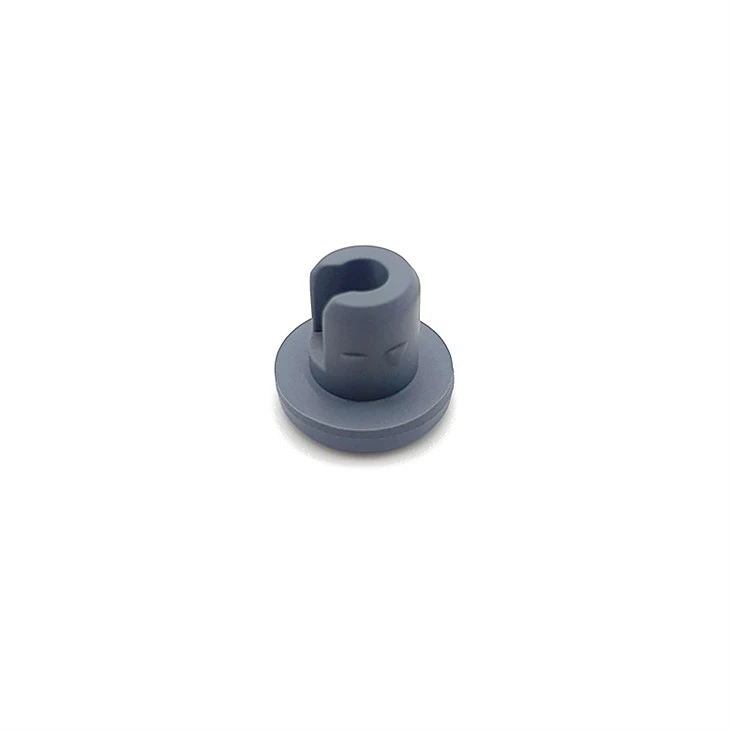
Our Product Offerings
We offer a wide range of rubber vial stoppers to meet the diverse needs of the pharmaceutical industry. Our product portfolio includes Rubber Stopper 32mm, which is suitable for larger - sized pharmaceutical vials. This stopper is made from high - quality butyl rubber and has excellent sealing and chemical resistance properties.
We also have 20mm Rubber Stopper for Injection. This stopper is specifically designed for injectable drugs and is carefully manufactured to ensure sterility and compatibility with the injection process.
In addition, our Rubber Stoppers Plug is a versatile product that can be used in various types of pharmaceutical vials. It offers reliable sealing performance and is available in different sizes and configurations to meet specific customer requirements.
Conclusion
In conclusion, rubber vial stoppers can be effectively used in pharmaceutical vials. They offer several advantages, including compatibility with pharmaceutical products, good sealing performance, sterilization compatibility, and regulatory compliance. However, it is crucial to choose the right rubber stopper based on the specific requirements of the pharmaceutical product.
As a professional rubber vial stopper supplier, we have the expertise and experience to provide high - quality products that meet the strict standards of the pharmaceutical industry. If you are in the pharmaceutical industry and are looking for reliable rubber vial stoppers, we invite you to contact us for procurement and further discussion. We are committed to working with you to ensure the success of your pharmaceutical packaging needs.
References
- Pharmaceutical Packaging Handbook, edited by Charles Downing.
- "Regulatory Requirements for Pharmaceutical Packaging Materials" - Journal of Pharmaceutical Sciences.
- "Properties and Applications of Butyl Rubber in Pharmaceutical Stoppers" - Rubber Chemistry and Technology Journal.