

When it comes to home - made remedies, one common question that often arises is whether it's appropriate to use a medicine bottle for storing these concoctions. As a medicine bottle supplier, I have encountered this query numerous times, and I'm here to shed some light on the matter.
Advantages of Using Medicine Bottles for Home - Made Remedies
Safety and Protection
Medicine bottles are designed with safety in mind. They are typically made from high - quality materials such as glass or plastic that can protect the contents from external factors like light, air, and moisture. For example, Glass Medical Vials are made of glass, which is impermeable to most gases and liquids. This means that if you're making a home - made herbal tincture or essential oil blend, the glass vial will prevent the evaporation of volatile components and keep the remedy potent for a longer time.
Proper Sealing
Most medicine bottles come with well - designed caps or closures. Pharmacy Vials and Caps are engineered to provide a tight seal, which is crucial for home - made remedies. A good seal prevents contamination from bacteria, fungi, and other microorganisms. This is especially important for liquid remedies that are prone to spoilage. For instance, if you're making a homemade cough syrup, a properly sealed bottle will keep it fresh and safe to consume.
Labeling and Identification
Medicine bottles often have space for labels. This is extremely useful when it comes to home - made remedies. You can clearly label the bottle with the name of the remedy, the date of preparation, the ingredients used, and the recommended dosage. This not only helps you keep track of your home - made remedies but also ensures that others in your household can use them safely. For example, if you've made a natural pain - relief oil, labeling it with the ingredients (such as lavender oil, eucalyptus oil) and the application method will make it easier for family members to use it correctly.

Considerations Before Using Medicine Bottles for Home - Made Remedies
Cleaning and Sterilization
Before using a medicine bottle for a home - made remedy, it's essential to clean and sterilize it properly. Even if the bottle was previously used for a legitimate medicine, there may be residues that could interact with your new remedy. You can clean the bottle with warm, soapy water, rinse it thoroughly, and then sterilize it. One common method is to boil the bottle in water for a few minutes. However, be careful when using this method with plastic bottles as high temperatures can cause them to warp. For glass bottles, you can also use a steam sterilizer or run them through the dishwasher on a high - heat cycle.
Compatibility with the Remedy
Not all medicine bottles are suitable for every type of home - made remedy. Some remedies may react with the material of the bottle. For example, acidic remedies may corrode certain types of plastic. If you're making a home - made vinegar - based remedy, it's better to use a glass bottle like a Penicillin Bottle 30ml. Glass is generally more chemically resistant and less likely to react with the contents.
Storage Conditions
The storage conditions of the medicine bottle after filling it with a home - made remedy are also important. Some remedies may require refrigeration, while others can be stored at room temperature. Make sure to research the specific storage requirements of your home - made remedy and choose a bottle that can withstand those conditions. For example, if you're making a dairy - based home - made probiotic remedy, it will need to be refrigerated. A plastic bottle that can handle cold temperatures without becoming brittle is a good choice.
Different Types of Medicine Bottles for Home - Made Remedies
Glass Bottles
Glass bottles are a popular choice for home - made remedies. They are non - reactive, which means they won't leach any chemicals into the remedy. As mentioned earlier, they are also great at protecting the contents from light, air, and moisture. Glass bottles come in various sizes and shapes, such as the Penicillin Bottle 30ml, which is small and convenient for storing concentrated remedies or samples. They are also easy to clean and sterilize, making them a safe option for home - made remedies.
Plastic Bottles
Plastic bottles are lightweight and less likely to break compared to glass bottles. They are also cost - effective. However, as mentioned, they may not be suitable for all types of remedies. Some plastics can react with certain chemicals or solvents in the remedy. But if you choose the right type of plastic, such as high - density polyethylene (HDPE), it can be a good option for storing non - reactive home - made remedies like simple herbal teas or water - based solutions.
Amber Glass Bottles
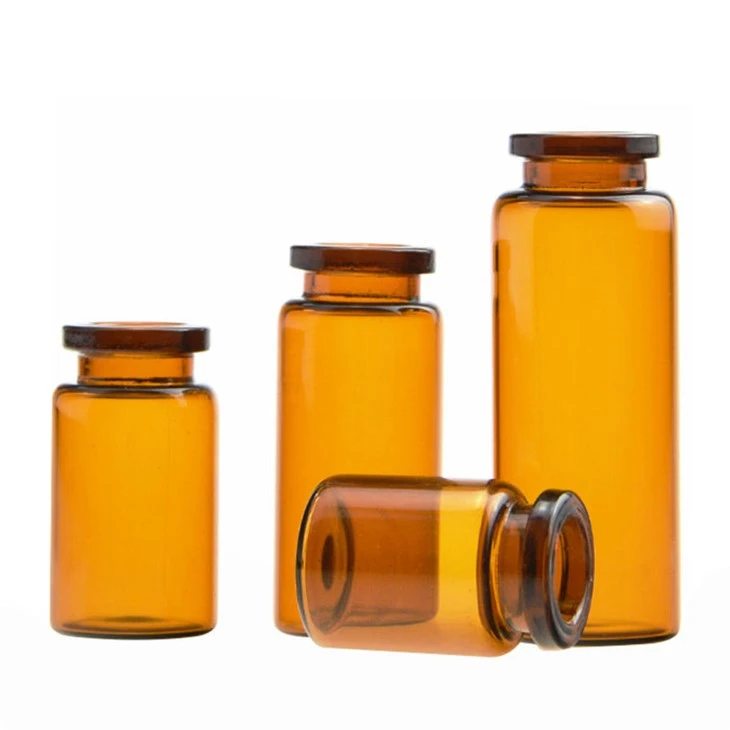
Amber glass bottles are specifically designed to protect the contents from light. This is especially important for remedies that are sensitive to light, such as essential oils. Light can cause the breakdown of some of the active components in essential oils, reducing their effectiveness. Using an amber glass bottle like the ones in Glass Medical Vials can help preserve the potency of your home - made essential oil blends.
Conclusion
In conclusion, using a medicine bottle for home - made remedies can be a great idea, provided you take the necessary precautions. The safety, protection, sealing, and labeling features of medicine bottles make them well - suited for storing home - made concoctions. However, you need to ensure proper cleaning, consider the compatibility of the bottle with the remedy, and follow the appropriate storage conditions.
If you're interested in purchasing high - quality medicine bottles for your home - made remedies, we are here to assist you. Our wide range of products, including Glass Medical Vials, Penicillin Bottle 30ml, and Pharmacy Vials and Caps, are designed to meet your specific needs. Whether you're a home - remedy enthusiast or a small - scale producer, we can provide you with the right medicine bottles. Contact us to start a discussion about your procurement requirements, and we'll be happy to guide you through the process.
References
- Brown, S. (2018). "Safe Storage of Home - Made Remedies". Journal of Home Health Care.
- Green, M. (2019). "Choosing the Right Container for Herbal Remedies". Herbalist Quarterly.
- White, L. (2020). "The Importance of Cleaning and Sterilization in Home Remedy Preparation". Home Wellness Magazine.