

Hey there! As a supplier of medical vials, I've seen firsthand the importance of preventing microbial growth in these little containers. Medical vials are used to store all sorts of medications, vaccines, and other medical substances, and keeping them free from harmful microbes is crucial for patient safety. In this blog post, I'll share some tips and strategies on how to prevent microbial growth in medical vials.
Understanding the Threat of Microbial Growth
Before we dive into the prevention methods, let's first understand why microbial growth in medical vials is such a big deal. Microbes, such as bacteria, fungi, and viruses, can contaminate the contents of a vial and cause serious health problems for patients. For example, a bacterial infection from a contaminated vial of medication can lead to sepsis, a life-threatening condition. Fungal growth can also compromise the effectiveness of a vaccine, rendering it useless.
Microbes can enter a medical vial in several ways. They can be present in the air, on the surfaces of equipment used during the filling process, or even on the hands of the people handling the vials. Once inside the vial, they can multiply rapidly under the right conditions, such as warm temperatures and high humidity.
Choosing the Right Materials
One of the first steps in preventing microbial growth is to choose the right materials for your medical vials. Glass is a popular choice for medical vials because it is inert, meaning it doesn't react with the contents of the vial. It also provides a good barrier against air and moisture, which can help prevent the entry of microbes.
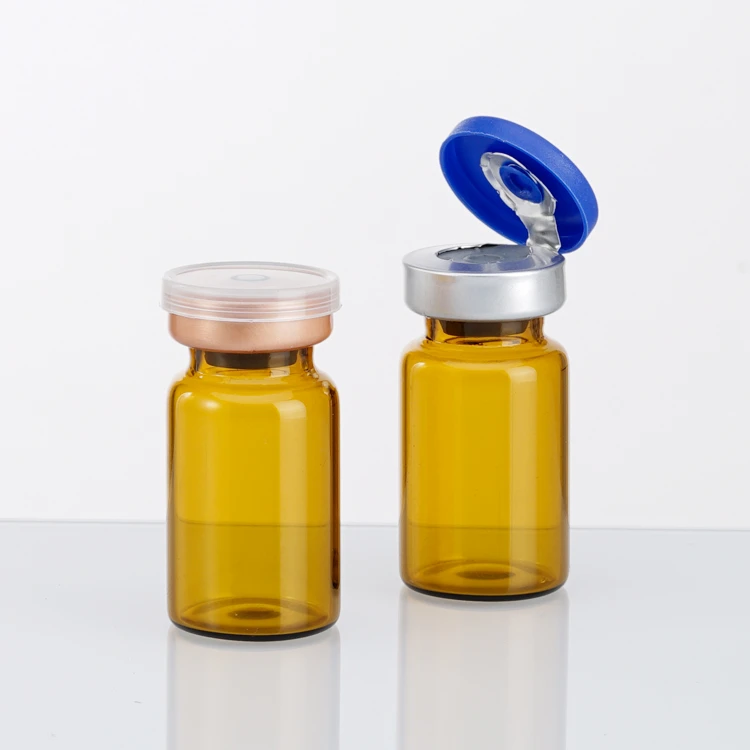
At our company, we offer a wide range of Glass Medical Vials that are made from high-quality glass. These vials are designed to meet the strictest standards of quality and safety, and they are available in various sizes and shapes to suit different needs.
Another important consideration is the closure system of the vial. A tight-fitting closure can prevent the entry of air and microbes into the vial. We offer a variety of closure options, including rubber stoppers and aluminum seals, that are designed to provide a secure and leak-proof seal.
Sterilization Techniques
Sterilization is a critical step in preventing microbial growth in medical vials. There are several sterilization techniques available, each with its own advantages and disadvantages.
One of the most common sterilization techniques is autoclaving. Autoclaving involves subjecting the vials to high-pressure steam at a temperature of around 121°C for a specific period of time. This method is effective in killing most types of microbes, including bacteria, fungi, and viruses. However, it may not be suitable for all types of vials, as some materials may be damaged by the high temperature and pressure.

Another sterilization technique is gamma irradiation. Gamma irradiation uses high-energy gamma rays to kill microbes. This method is effective in sterilizing vials without the need for heat, which makes it suitable for vials made from heat-sensitive materials. However, it requires specialized equipment and facilities, and it can be expensive.
We also offer vials that are pre-sterilized using a combination of these techniques. These vials are ready to use right out of the box, which saves time and reduces the risk of contamination during the sterilization process.
Storage and Handling
Proper storage and handling of medical vials are also important in preventing microbial growth. Vials should be stored in a clean, dry, and cool environment. They should be protected from direct sunlight and heat, as these can promote the growth of microbes.
When handling vials, it's important to follow good hygiene practices. This includes washing your hands thoroughly before handling the vials, wearing gloves and a mask, and using sterile equipment. It's also important to avoid touching the inside of the vial or the closure, as this can introduce microbes.
Quality Control
Finally, quality control is essential in ensuring that your medical vials are free from microbial growth. At our company, we have a rigorous quality control process in place to ensure that all of our vials meet the highest standards of quality and safety.
This process includes testing the vials for microbial contamination using a variety of methods, such as microbiological culture and PCR (polymerase chain reaction). We also conduct regular inspections of our manufacturing facilities to ensure that they are clean and free from contaminants.
Conclusion
Preventing microbial growth in medical vials is a critical part of ensuring patient safety. By choosing the right materials, using proper sterilization techniques, storing and handling the vials correctly, and implementing a rigorous quality control process, you can minimize the risk of microbial contamination and ensure that your vials are safe and effective.
If you're in the market for high-quality medical vials, we'd love to hear from you. We offer a wide range of Glass Medical Vials, Penicillin Bottle, and 60 Ml Glass Bottles that are designed to meet your specific needs. Contact us today to learn more about our products and how we can help you prevent microbial growth in your medical vials.
References
- "Sterilization and Disinfection in Healthcare Settings." Centers for Disease Control and Prevention.
- "Good Manufacturing Practices for Medical Devices." Food and Drug Administration.
- "Microbiology of Medical Devices." John Wiley & Sons, Inc.