

As a trusted supplier of rubber vial stoppers, I often encounter inquiries from clients about the potential reactions between rubber vial stoppers and chemicals. This is a critical concern, especially in industries such as pharmaceuticals, chemicals, and food and beverage, where the integrity of the product and the safety of end - users are of utmost importance. In this blog, I will delve into the science behind the interaction between rubber vial stoppers and chemicals, exploring the factors that influence these reactions and the steps we take to ensure the quality of our products.
Understanding Rubber Vial Stoppers
Rubber vial stoppers are essential components in many packaging applications. They provide a seal that protects the contents of the vial from external contaminants, oxygen, and moisture. Our company offers a wide range of rubber vial stoppers, including Rubber Stopper 32mm, Pharmaceutical Rubber Stopper, and Vial Rubber Stopper, each designed to meet specific industry requirements.
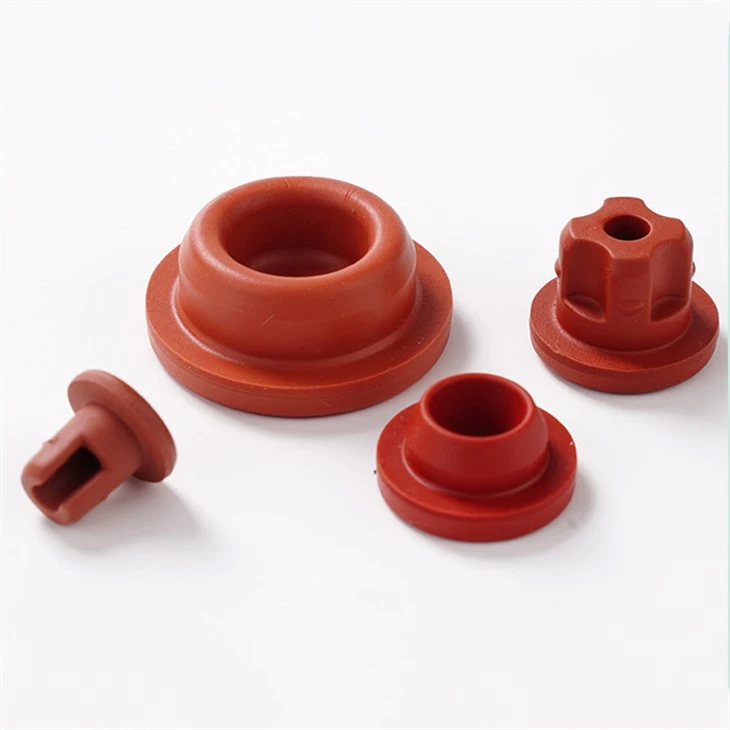
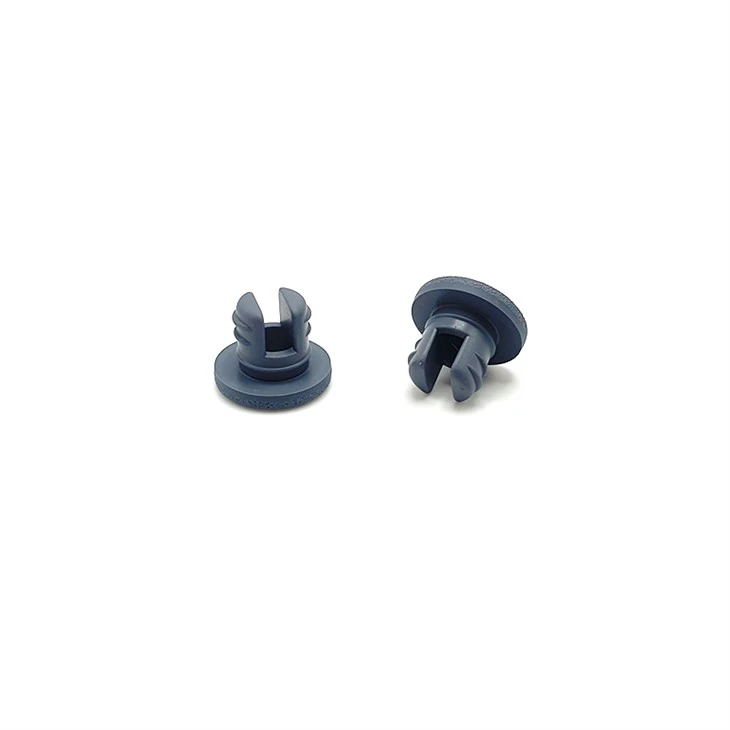
The materials used to manufacture rubber vial stoppers vary, with the most common types being natural rubber, synthetic rubber (such as butyl rubber), and elastomers. Each material has its own unique properties, which can affect its reactivity with chemicals. For example, butyl rubber is known for its excellent chemical resistance, low gas permeability, and good sealing properties, making it a popular choice for pharmaceutical and chemical applications.
Factors Affecting the Reaction between Rubber Vial Stoppers and Chemicals
Several factors can influence whether rubber vial stoppers will react with chemicals. These include the chemical nature of the contents, the type of rubber material, the duration of contact, and the storage conditions.
Chemical Nature of the Contents
The chemical composition of the substance stored in the vial plays a significant role in determining its reactivity with the rubber stopper. Some chemicals, such as strong acids, bases, and organic solvents, are more likely to react with rubber than others. For instance, polar solvents can swell rubber materials, leading to changes in their physical properties and potentially causing the release of extractables and leachables. On the other hand, non - polar solvents may have less of an impact on rubber, but they can still interact with certain rubber additives.
Type of Rubber Material
As mentioned earlier, different rubber materials have different levels of chemical resistance. Natural rubber, for example, is relatively reactive and can be easily attacked by chemicals. In contrast, butyl rubber has a high degree of chemical inertness due to its saturated hydrocarbon structure. However, even butyl rubber can be affected by certain aggressive chemicals over time.
Duration of Contact
The longer the rubber stopper is in contact with the chemical, the greater the likelihood of a reaction occurring. Prolonged contact allows more time for the chemical to penetrate the rubber matrix and interact with its components. This is particularly important in applications where the vial is stored for extended periods, such as in long - term pharmaceutical storage.
Storage Conditions
Storage conditions, such as temperature, humidity, and light exposure, can also affect the reactivity between rubber vial stoppers and chemicals. High temperatures can accelerate chemical reactions and increase the rate of extractable and leachable release. Humidity can cause the rubber to absorb water, which may alter its physical properties and make it more susceptible to chemical attack. Additionally, exposure to light, especially ultraviolet light, can degrade the rubber and increase its reactivity.
Potential Reactions between Rubber Vial Stoppers and Chemicals
When rubber vial stoppers react with chemicals, several types of reactions can occur. These include:
Swelling
Swelling is one of the most common reactions between rubber and chemicals. When a rubber stopper comes into contact with a solvent or a chemical that is compatible with its polymer matrix, the rubber may absorb the chemical, causing it to expand. Swelling can lead to changes in the dimensions and mechanical properties of the stopper, which may affect its sealing performance.
Chemical Degradation
Chemical degradation occurs when the rubber is broken down by the chemical. This can happen through processes such as oxidation, hydrolysis, or chain scission. Chemical degradation can weaken the rubber, reduce its sealing ability, and result in the formation of new chemical species, which may contaminate the contents of the vial.
Release of Extractables and Leachables
Extractables are substances that can be removed from the rubber stopper by a solvent under specific extraction conditions, while leachables are extractables that migrate into the product during normal use. The release of extractables and leachables can be a significant concern, especially in pharmaceutical applications, as they may have toxicological implications for the end - user.
Testing and Quality Control
To ensure the safety and compatibility of our rubber vial stoppers with different chemicals, we conduct a series of rigorous tests. These tests include extractable and leachable studies, chemical resistance testing, and physical property testing.
Extractable and leachable studies involve exposing the rubber stopper to various solvents under controlled conditions and analyzing the substances that are released. This helps us to identify potential contaminants and determine the levels of extractables and leachables that may be present in the product.
Chemical resistance testing is used to evaluate the performance of the rubber stopper when exposed to specific chemicals. We measure parameters such as weight change, dimensional change, and mechanical property changes to assess the extent of the reaction.
Physical property testing, such as hardness, tensile strength, and elongation at break, is also carried out to ensure that the rubber stopper meets the required specifications. By conducting these tests, we can provide our customers with high - quality rubber vial stoppers that are suitable for their specific applications.
Mitigating the Risk of Reactions
To minimize the risk of reactions between rubber vial stoppers and chemicals, we recommend the following strategies:
Select the Right Rubber Material
Choose a rubber material that is compatible with the chemical nature of the contents. For example, if you are storing a polar solvent, consider using a rubber material with high chemical resistance, such as butyl rubber.
Optimize Storage Conditions
Store the vials in a cool, dry, and dark place to reduce the impact of temperature, humidity, and light on the rubber stopper. This can help to extend the shelf life of the product and minimize the risk of chemical reactions.
Conduct Compatibility Testing
Before using a rubber vial stopper with a new chemical, conduct compatibility testing to ensure that there are no adverse reactions. This can help you to identify any potential issues early on and make appropriate adjustments.
Conclusion
In conclusion, the question of whether rubber vial stoppers react with chemicals is complex and depends on several factors. While some chemicals may react with rubber, proper selection of the rubber material, careful consideration of storage conditions, and thorough testing can significantly reduce the risk of reactions.
As a supplier of high - quality rubber vial stoppers, we are committed to providing our customers with products that meet the highest standards of quality and safety. Our Rubber Stopper 32mm, Pharmaceutical Rubber Stopper, and Vial Rubber Stopper are designed to offer excellent chemical resistance and reliable sealing performance.
If you have any questions about our rubber vial stoppers or need assistance in selecting the right product for your application, please do not hesitate to contact us. We are here to help you make an informed decision and ensure the success of your project.
References
- "Handbook of Pharmaceutical Excipients", Rowe, R. C., Sheskey, P. J., & Quinn, M. E. (Eds.).
- "Rubber Technology: Compounding, Testing, and Applications", Morton, M.
- "Chemical Resistance of Elastomers", Kresge, N.