

Hey there! As a glass vial supplier, I often get asked if glass vials can be used for storing enzymes. Well, let's dive right into this topic and explore the ins and outs of using glass vials for enzyme storage.
First off, let's talk about what enzymes are. Enzymes are proteins that act as catalysts in biological reactions. They're super important in various industries, like pharmaceuticals, food and beverage, and biotechnology. Since enzymes are so sensitive to their environment, choosing the right storage container is crucial to maintain their stability and activity.
So, can glass vials be a good option for storing enzymes? The answer is a big yes! Glass has several properties that make it an ideal choice for enzyme storage.
One of the main advantages of glass is its chemical inertness. Unlike some plastics, glass doesn't react with most chemicals, including enzymes. This means that the glass won't leach any harmful substances into the enzyme solution, which could potentially denature the enzymes or affect their activity. For example, if you're storing an enzyme in a plastic container that releases plasticizers, these chemicals could bind to the enzyme and change its structure, rendering it useless. With glass vials, you don't have to worry about this kind of contamination.
Another great thing about glass is its impermeability. Glass doesn't allow gases or moisture to pass through easily. Enzymes can be sensitive to changes in humidity and oxygen levels. If an enzyme is exposed to too much moisture, it can cause the enzyme to dissolve or form aggregates, which can reduce its activity. Oxygen can also react with some enzymes and cause oxidation, leading to a loss of activity. Glass vials provide a good barrier against these environmental factors, helping to keep the enzymes stable for longer periods.
Glass vials also come in a variety of sizes and shapes. Whether you need a small 1 Ml Vials for storing a tiny amount of a precious enzyme or a larger vial for bulk storage, there's a glass vial option for you. You can choose from different diameters, heights, and neck sizes to suit your specific needs. And if you're in the pharmacy industry, we also offer Pharmacy Vials and Caps that are designed to meet the strict requirements of storing medications and enzymes.
In addition to their practicality, glass vials are also aesthetically pleasing. They have a clear, transparent appearance that allows you to easily see the contents inside. This is especially useful if you need to visually inspect the enzyme solution for any signs of precipitation or contamination. You can also label the glass vials easily, so you know exactly what's inside each vial.
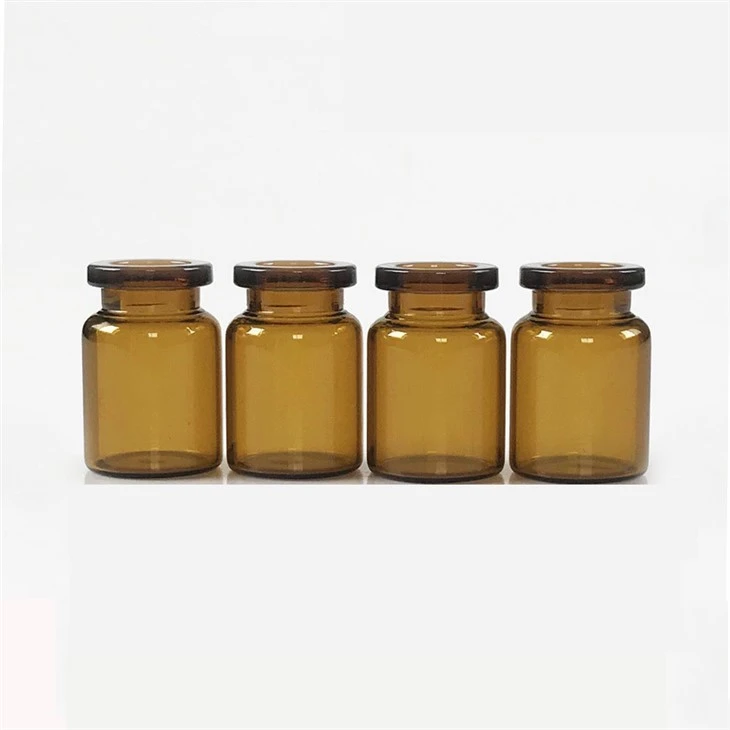
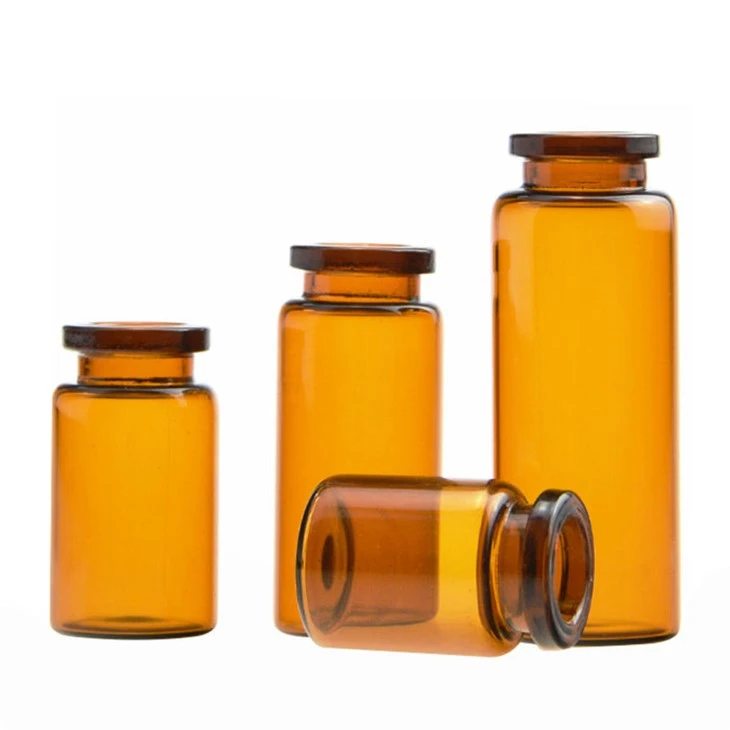
Now, let's talk about some considerations when using glass vials for enzyme storage. While glass is generally a great choice, it's not completely without its drawbacks. One potential issue is breakage. Glass is fragile, and if a vial is dropped or mishandled, it can shatter. This can not only be dangerous but also result in the loss of the enzyme sample. To minimize the risk of breakage, it's important to use proper packaging and handling techniques. You can use cushioned packaging materials, like foam inserts or bubble wrap, to protect the glass vials during shipping and storage.
Another thing to keep in mind is the surface charge of the glass. Some types of glass may have a slight surface charge, which could potentially interact with the enzymes. This interaction could cause the enzymes to adsorb to the glass surface, reducing the amount of free enzyme in the solution. To prevent this, you can treat the glass vials with special coatings or use low - adsorption glass.
When it comes to cleaning glass vials for enzyme storage, it's important to do it properly. You need to make sure that the vials are free of any contaminants, such as dust, dirt, or chemicals. You can clean the vials with a mild detergent and rinse them thoroughly with distilled water. After cleaning, it's a good idea to sterilize the vials to kill any bacteria or other microorganisms that could contaminate the enzyme.
In conclusion, glass vials can be an excellent choice for storing enzymes. Their chemical inertness, impermeability, and variety of sizes make them a practical and reliable option. However, you need to be aware of the potential issues, like breakage and surface charge, and take appropriate measures to address them.
If you're in the market for high - quality glass vials for enzyme storage, we've got you covered. We offer a wide range of Clear Medicine Bottle and vials that are suitable for various applications. Whether you're a small research lab or a large pharmaceutical company, we can provide you with the right glass vials at competitive prices.
If you're interested in learning more about our glass vials or would like to discuss your specific requirements, don't hesitate to get in touch. We're always happy to help you find the best solution for your enzyme storage needs. Let's start a conversation and see how we can work together to meet your goals.
References
- "Enzyme Kinetics and Mechanism" by Alan Fersht
- "Pharmaceutical Packaging Technology" by David A. T. Soule