

Pharmaceutical caps are often overlooked components in the world of medicine, yet they play a crucial role in the ease of use of medications. As a pharmaceutical cap supplier, I've witnessed firsthand how the design and functionality of these caps can significantly impact patients' experiences with their medicines. In this blog post, I'll explore the various ways in which pharmaceutical caps affect the ease of use of medicines.
1. Opening and Closing Mechanisms
One of the most fundamental aspects of a pharmaceutical cap is its opening and closing mechanism. The ease with which a patient can open and close a medicine bottle can have a profound impact on their adherence to treatment. For example, patients with limited dexterity, such as the elderly or those with arthritis, may struggle to open child - resistant caps. These caps are designed to prevent accidental ingestion by children, but they can be overly difficult for some adults to open.
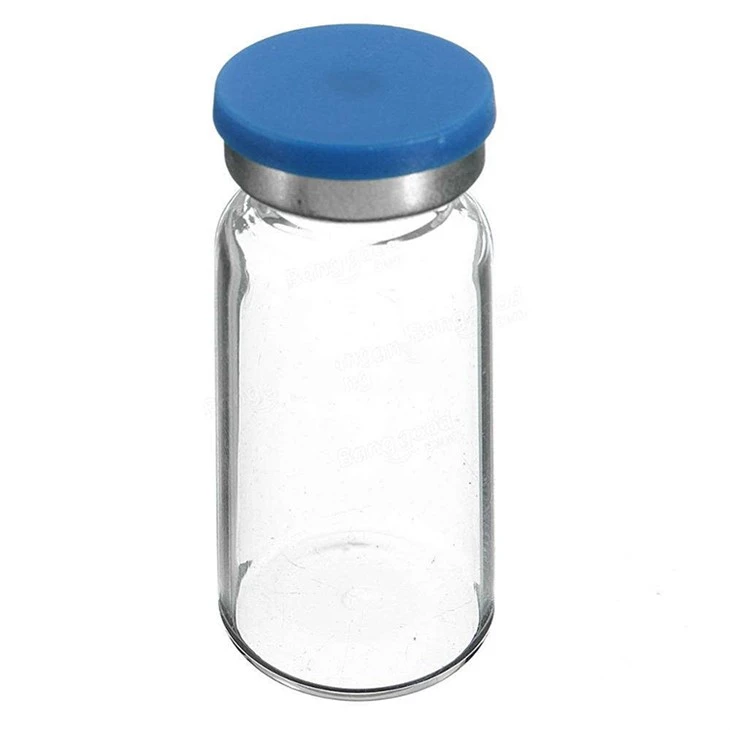
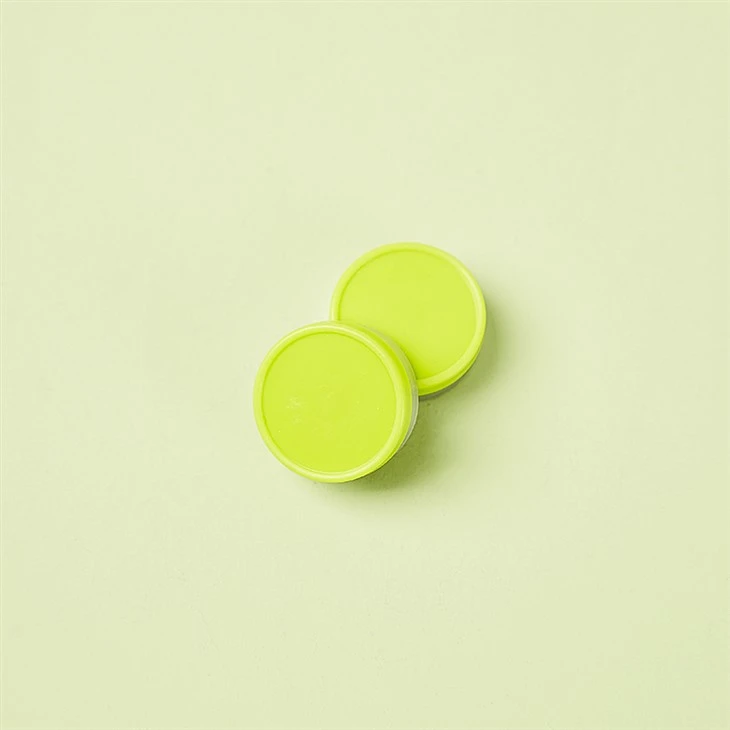
On the other hand, easy - open caps can be a great solution for patients who need quick access to their medications. Our Aluminum Plastic Caps are designed with user - friendly opening mechanisms. They provide a good balance between safety and ease of use. The materials used in these caps allow for a smooth opening and closing process, reducing the effort required from the user.
2. Dosage Control
Pharmaceutical caps can also contribute to accurate dosage control. Some caps are designed to measure specific amounts of liquid medication. For instance, certain cough syrup bottles come with caps that double as measuring cups. This feature eliminates the need for a separate measuring device, making it easier for patients to take the correct dosage.
Our 13mm Flip Top Cap can be customized to accommodate different dosage requirements. The flip - top design allows for easy access to the medication while also providing a way to control the flow of liquid. This is especially important for liquid medications where precise dosing is critical for effective treatment.
3. Preservation of Medication
The ability of a pharmaceutical cap to preserve the quality of the medication is another factor that affects its ease of use. A good cap should provide an airtight and watertight seal to prevent contamination and degradation of the medicine. If a cap fails to provide a proper seal, the medication may lose its potency or become contaminated, leading to ineffective treatment or potential health risks.
Antibiotics, for example, are highly sensitive to environmental factors such as air and moisture. Our Antibiotic Bottle Cap is engineered to provide an excellent seal, protecting the antibiotic from external elements. This ensures that the medication remains effective throughout its shelf - life, and patients can rely on it for treatment without having to worry about its quality.
4. Compatibility with Different Container Types
Pharmaceutical caps need to be compatible with different types of medicine containers. Whether it's a glass vial, a plastic bottle, or a syringe, the cap must fit securely and function properly. Incompatible caps can lead to leakage, difficulty in opening, or improper sealing, all of which can make the use of the medicine more challenging.
As a supplier, we offer a wide range of caps that are designed to be compatible with various container materials and sizes. This flexibility allows pharmaceutical companies to choose the most suitable cap for their specific products, ensuring a seamless user experience for patients.
5. Labeling and Information Display
The cap can also serve as a platform for important information. Some caps have labels or markings that provide dosage instructions, expiration dates, or other essential details. This information is easily accessible to the patient when they are handling the medicine, making it easier for them to follow the treatment regimen correctly.
For example, a cap with clear dosage instructions printed on it can help patients who may have difficulty reading small print on the medicine bottle label. This additional source of information can enhance the overall ease of use of the medication.
6. Safety Features
In addition to child - resistant features, pharmaceutical caps can incorporate other safety elements. Tamper - evident seals are a common safety feature that provides assurance to the patient that the medication has not been tampered with. Once the seal is broken, it is obvious that the product has been opened, alerting the user to potential risks.
Our caps are designed with high - quality tamper - evident seals that are both easy to break when needed and difficult to tamper with. This feature not only enhances the safety of the medication but also gives patients peace of mind when using the product.
7. Ergonomics
The ergonomic design of a pharmaceutical cap can greatly affect its ease of use. A cap that is comfortable to hold and manipulate can make the process of opening and closing the medicine bottle less strenuous. Factors such as the shape, size, and texture of the cap all contribute to its ergonomics.
We take ergonomics into account when designing our caps. Our caps are shaped to fit comfortably in the hand, and the texture provides a good grip, even for users with wet or slippery hands. This attention to ergonomic design ensures that patients can use the medicine with minimal effort and discomfort.
Contact for Procurement
If you are a pharmaceutical company or distributor looking for high - quality pharmaceutical caps that enhance the ease of use of your medications, we would love to hear from you. Our team of experts can work with you to find the best cap solutions for your specific needs. We offer a wide range of products, including Aluminum Plastic Caps, 13mm Flip Top Cap, and Antibiotic Bottle Cap. Contact us to start a discussion about your procurement requirements.
References
- "Handbook of Pharmaceutical Manufacturing Formulations: Liquid Products" by Sarfaraz N. Khadka, et al.
- "Pharmaceutical Packaging Technology" by Andrew Roberts.
- "The Design and Evaluation of Pharmaceutical Packaging" by David A. J. Taylor.