

As a supplier of Rubber Vial Stoppers, I often get asked about the acid resistance of our products. It's a super important topic, especially for industries like pharmaceuticals, chemicals, and food and beverage. In this blog, I'll break down what acid resistance in rubber vial stoppers means, why it matters, and how our stoppers stack up.
What is Acid Resistance in Rubber Vial Stoppers?
Acid resistance refers to a rubber vial stopper's ability to withstand the corrosive effects of acidic substances without significant degradation. When a stopper is in contact with an acidic liquid or gas, it can face various chemical reactions. For instance, acids can break down the rubber's molecular structure, leading to swelling, cracking, or a loss of elasticity. This is no good because it can compromise the integrity of the seal and contaminate the contents of the vial.
Think of it like this: if you have a vial of acidic medicine, and the rubber stopper isn't acid - resistant, the acid could eat away at the stopper. Bits of rubber could then fall into the medicine, which is a huge no - no for patient safety. Or, if the seal breaks, air and other contaminants could get in, spoiling the medicine.
Why Does Acid Resistance Matter?
Pharmaceutical Industry
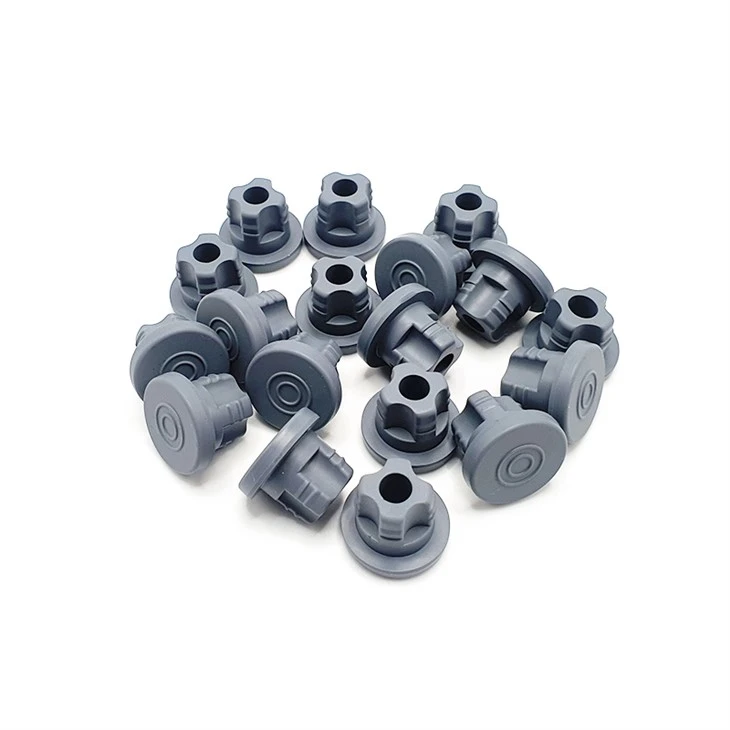
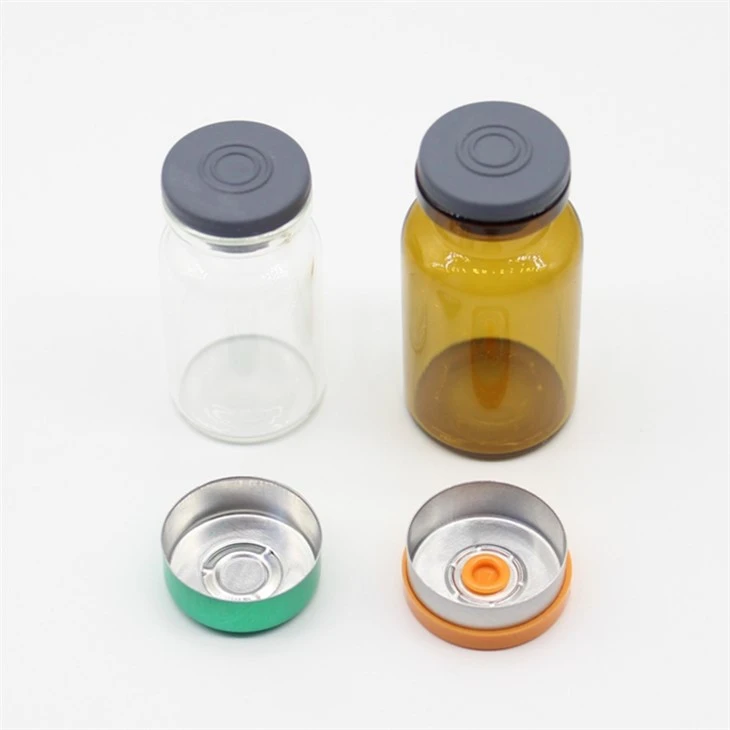
In the pharma world, it's all about safety and efficacy. Many drugs are formulated in acidic solutions. Our 20mm Rubber Stopper for Injection is used in vials that hold these acidic drugs. If the stopper isn't acid - resistant, it could react with the drug, changing its chemical composition. This not only affects how well the drug works but can also be dangerous for patients.
Chemical Industry
Chemicals come in all shapes and sizes, and many are acidic. Rubber vial stoppers are used to seal chemical containers. If the stopper isn't up to the task, it can lead to leaks, spills, and chemical reactions that could harm the environment and workers. Our Medicine Bottle Rubber Stopper is designed to handle a variety of chemical environments, including acidic ones.
Food and Beverage Industry
Some food products, like certain fruit juices and vinegar, are acidic. Rubber stoppers are used in bottles and jars to keep these products fresh. Acid - resistant stoppers ensure that there's no migration of rubber components into the food or beverage, maintaining the quality and taste.
Factors Affecting Acid Resistance of Rubber Vial Stoppers
Rubber Type
Not all rubbers are created equal when it comes to acid resistance. Bromobutyl rubber is one of the star players in our product lineup. Our Bromobutyl Rubber Stopper has excellent acid resistance properties. Bromobutyl rubber has a dense molecular structure that makes it less likely to react with acids. Compared to natural rubber, which can be easily attacked by acids, bromobutyl rubber stands up much better.
Additives
We often add certain chemicals to the rubber during the manufacturing process. These additives can enhance acid resistance. For example, some antioxidants can prevent the rubber from breaking down when exposed to acids. UV stabilizers can also play a role, as some acids can be more reactive in the presence of light.
Manufacturing Process
The way the rubber stopper is made can also impact its acid resistance. Proper curing techniques ensure that the rubber has the right density and cross - linking. If the curing process isn't done correctly, the rubber may be more porous, allowing acids to penetrate more easily.
How We Test the Acid Resistance of Our Rubber Vial Stoppers
We take the acid resistance of our stoppers very seriously. We have a state - of the - art testing facility where we simulate real - world conditions.
Immersion Tests
We immerse our rubber vial stoppers in different concentrations of acidic solutions for a set period. After the immersion, we check for changes in the stopper's appearance, such as swelling, discoloration, or cracking. We also measure changes in its physical properties, like hardness and tensile strength.
Leak Testing
Even if the stopper doesn't show visible signs of damage, it's important to make sure the seal is still intact. We use specialized equipment to test for leaks in vials with our acid - exposed stoppers. This ensures that the stopper can still do its job of keeping the contents safe and secure.
Our Commitment to Quality Acid - Resistant Rubber Vial Stoppers
As a supplier, we're committed to providing the best quality rubber vial stoppers. We source the highest - grade raw materials, and our manufacturing processes are constantly being improved. Our team of experts is always on the lookout for new technologies and materials that can enhance the acid resistance of our products.
We understand that our customers rely on us to provide stoppers that meet their specific needs. Whether it's a small - scale pharmaceutical lab or a large - scale chemical manufacturing plant, we have the right solution. Our customer service team is always ready to answer any questions you may have about our products and their acid resistance.
Connect and Purchase
If you're in the market for high - quality, acid - resistant rubber vial stoppers, we'd love to hear from you. We can work with you to understand your requirements and provide the perfect solution. Don't hesitate to reach out for more information or to start a procurement discussion.
References
- "Handbook of Elastomers", Second Edition, Edited by Moses M. Morton
- "Rubber Technology: Compounding, Processing, and Testing of Rubber", T. K. Gupta