

When it comes to laboratory equipment and processes, the centrifuge is a crucial tool that plays a significant role in separating substances of different densities. One common question that often arises in laboratory settings is whether vials can be used in a centrifuge. As a vial supplier, I'm well - versed in the nuances of vial usage and their compatibility with centrifuges. In this blog, I will delve into the scientific factors and practical considerations related to using vials in a centrifuge.
Compatibility of Vials and Centrifuges
Firstly, let's understand the basic principle of a centrifuge. A centrifuge works by spinning samples at high speeds, creating a centrifugal force that separates components based on their density. For vials to be used in a centrifuge, they must be able to withstand the intense forces generated during the spinning process.

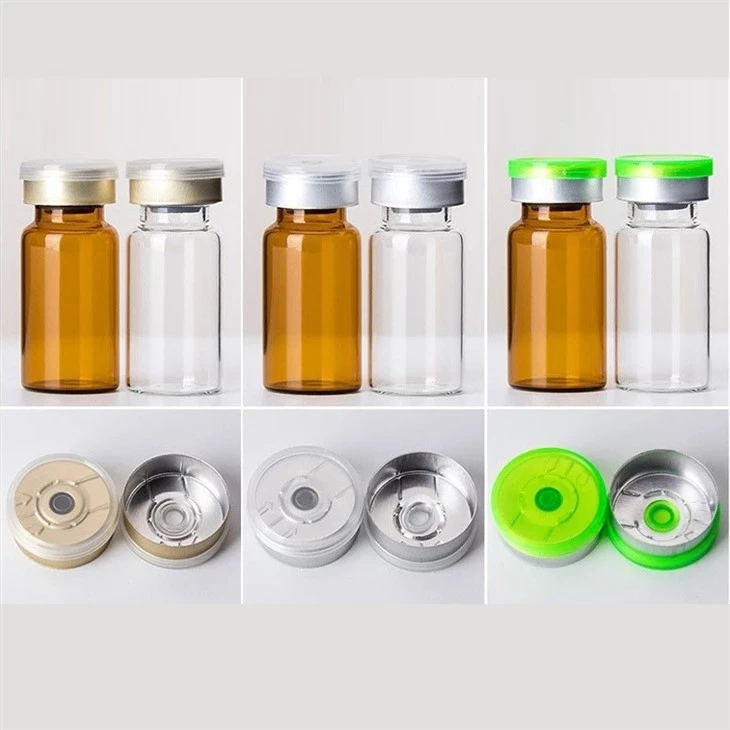
The most important factor is the material of the vial. Glass vials are a popular choice in many laboratories due to their chemical resistance and transparency. However, not all glass vials are suitable for centrifugation. The glass used in the vials should be of high - quality and able to endure the physical stress. For instance, borosilicate glass is a common and reliable option as it has a relatively high resistance to thermal shock and mechanical stress. This type of glass can better handle the forces exerted during centrifugation without breaking.
There are also plastic vials which are light - weight, cost - effective, and disposable. Some plastic vials, such as those made from polypropylene or polycarbonate, can be used in centrifuges. Polypropylene vials are resistant to many chemicals and have good mechanical properties, allowing them to maintain their integrity during centrifugation at moderate speeds. Polycarbonate vials are even more robust and can withstand higher centrifugal forces, but they may be more expensive compared to polypropylene vials.
Size and Shape of Vials
The size and shape of the vial are also critical factors. Centrifuges are designed to work with specific tube or vial sizes. Using vials that are too large or too small can lead to imbalance, which is a major safety concern in centrifugation. An imbalanced load can cause the centrifuge to vibrate excessively, potentially damaging the centrifuge itself and posing a risk to the operator.
Vials should fit snugly into the centrifuge rotor. The rotor is the part of the centrifuge that holds the vials and spins them. Different rotors are designed for different vial sizes and shapes. Some rotors can accommodate conical - bottom vials, while others are better suited for round - bottom or flat - bottom vials.
When considering vial size, it's important to match the volume of the vial to the intended use and the capacity of the centrifuge. For example, if you are working with small samples, 1ml Glass Bottle can be a great choice. These small vials are ideal for applications where only a small amount of sample is available. On the other hand, if you need to process larger volumes, 20ml Medicine Bottle can be more appropriate.
Sealing and Leakage
Proper sealing of the vials is essential when using them in a centrifuge. During the high - speed spinning, any leakage can not only contaminate the centrifuge but also lead to inaccurate results. Vials should have air - tight and liquid - tight seals. Many vials come with screw - top caps or snap - on caps that are designed to prevent leakage.
It's important to ensure that the caps are tightened properly before placing the vials in the centrifuge. Over - tightening or under - tightening the caps can both cause problems. Over - tightening may damage the vial or the cap, while under - tightening can result in leakage.
Safety Precautions
Safety should always be the top priority when using vials in a centrifuge. Before starting the centrifuge, carefully inspect the vials for any cracks, chips, or other damage. Damaged vials should never be used as they are more likely to break during centrifugation, which can cause serious harm to the operator and damage the centrifuge.
Balancing the load in the centrifuge is crucial. Make sure that vials of similar size, shape, and weight are evenly distributed in the rotor. If you are using an odd number of vials, you may need to use a balance vial filled with an equal volume of a similar - density liquid to ensure proper balance.
Applications of Vials in Centrifugation
There are numerous applications where vials are used in centrifuges. In the medical field, vials are used to separate blood components, such as red blood cells, white blood cells, and plasma. By centrifuging blood samples in vials, doctors and researchers can analyze the different components for diagnostic purposes.
In the biochemical and pharmaceutical industries, vials are used to isolate and purify various biological molecules, such as proteins, DNA, and RNA. These molecules are often present in complex mixtures, and centrifugation in vials helps to separate them based on their size and density.
Our Vial Offerings for Centrifugation
As a vial supplier, we offer a wide range of vials that are suitable for centrifugation. Our Small Glass Bottle options are made from high - quality borosilicate glass, which is perfect for withstanding the forces of centrifugation. These small vials are available in different shapes and cap types to meet your specific needs.
Our plastic vials, such as those made from polypropylene, are also a popular choice. They are cost - effective and can be used for many routine centrifugation applications. We ensure that all our vials undergo strict quality control measures to guarantee their reliability and performance in centrifuges.
Contact Us for Procurement
If you are in the market for vials suitable for centrifugation, we are here to help. Our team of experts can provide you with detailed information about our products and assist you in choosing the right vials for your specific needs. Whether you are a small research laboratory or a large pharmaceutical company, we have the vial solutions for you. Contact us to start a procurement discussion and find out how our vials can enhance your centrifugation processes.
References
- Brown, A. (2018). Laboratory Techniques in Centrifugation. Academic Press.
- Smith, J. K. (2019). The Chemistry of Laboratory Glassware. CRC Press.
- Jones, R. L. (2020). Plastics in the Laboratory: Properties and Applications. Wiley - Blackwell.