

Hey there! As a supplier of Glass Medical Vials, I'm super excited to share with you how these nifty little containers are packaged for sale. It's a process that combines science, practicality, and a whole lot of attention to detail.
The Basics of Glass Medical Vials
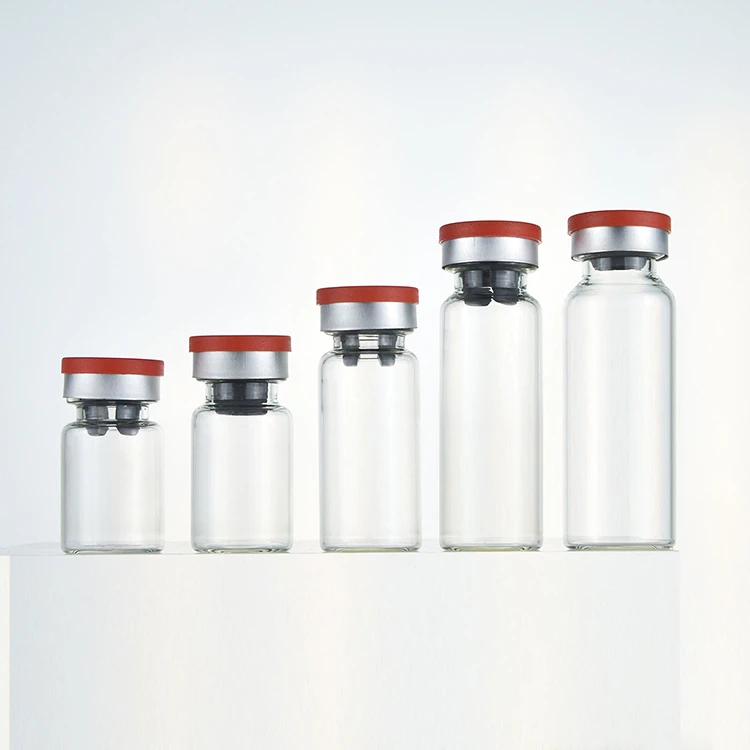
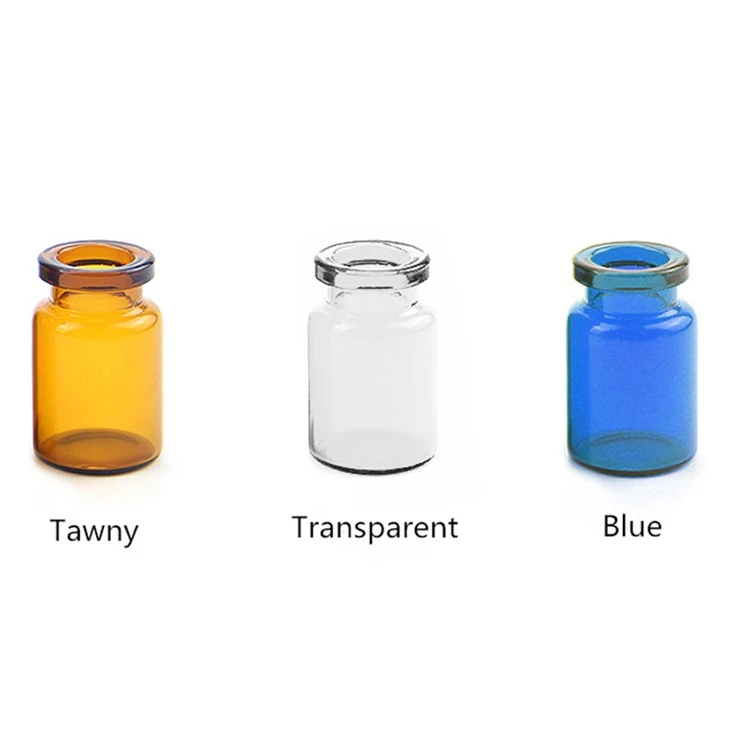
First off, let's talk a bit about what glass medical vials are. They're those small, usually cylindrical glass containers you see in hospitals, labs, and pharmacies. They're used to store all sorts of things, like medications, vaccines, and even some types of chemicals. Glass is a great material for this because it's inert, which means it won't react with the stuff inside. It also provides a good barrier against air and moisture, keeping the contents safe and stable.
Pre - Packaging Inspection
Before we even think about packaging, we give each vial a thorough inspection. We're looking for any cracks, chips, or other defects that could compromise the integrity of the vial. This is a crucial step because a damaged vial could lead to leaks or contamination, which is a big no - no in the medical world. We use a combination of automated systems and manual checks to make sure every single vial meets our high standards.
Choosing the Right Packaging Materials
Once we've got a batch of perfect vials, it's time to pick the right packaging materials. We usually start with a layer of cushioning material. Foam inserts are a popular choice because they're soft and can absorb shocks during transportation. They also help to keep the vials in place and prevent them from knocking into each other.
Next, we put the vials into a rigid box. Cardboard boxes are common because they're lightweight, cost - effective, and easy to print on. We can put all sorts of information on the box, like the type of vials inside, their size, and any special handling instructions.
Individual Vial Packaging
For some products, we might package each vial individually. This is especially true for high - value or sensitive medications. We use small plastic or paper sleeves to protect the vial. These sleeves can also have labels with important information, such as the expiration date, dosage, and lot number.
Group Packaging
When we're dealing with larger quantities, we group the vials together. We might stack them in rows and columns inside the box, separated by more foam or cardboard dividers. This not only saves space but also provides additional protection. For example, if we're selling 60 Ml Glass Bottles, we'll arrange them in a way that maximizes the use of the box while keeping them secure.
Sealing and Labeling
Once the vials are in the box, we seal it up. We use strong adhesive tapes to make sure the box stays closed during transit. Then comes the labeling part. The labels on the outside of the box are super important. They need to have all the necessary information for the customer, including the product name, quantity, and our contact details.
We also make sure to include any regulatory labels required by the medical industry. These could be warnings about handling, storage conditions, or disposal instructions. And of course, we might include our company logo to build brand recognition.
Quality Control After Packaging
Just because the vials are packaged doesn't mean our job is done. We do another round of quality control checks on the packaged products. We look for things like proper sealing, correct labeling, and that the vials are still in good condition inside the box. This final check gives us and our customers peace of mind that the products they're getting are top - notch.
Special Considerations for Different Types of Vials
Some vials are more sensitive than others. For example, Medical Vial with Lid might require extra care during packaging. The lids need to be properly tightened to prevent leaks, and we might use additional padding around the lid area to protect it.
Vials that are used for storing vaccines often need to be kept at a specific temperature. In these cases, we might use insulated packaging or include cold packs in the box to maintain the right temperature during shipping.
Meeting Regulatory Requirements
The medical industry is highly regulated, and we take compliance very seriously. Our packaging processes are designed to meet all the relevant regulations, both domestic and international. This includes things like ensuring that the packaging materials are non - toxic and that the labels are accurate and easy to read.
Shipping and Storage
Once the vials are packaged and pass our quality control, they're ready to be shipped. We work with reliable shipping partners to make sure the products reach our customers safely and on time. We also provide our customers with information on how to store the vials once they receive them. Proper storage is just as important as proper packaging to maintain the quality of the vials and their contents.
Customer Feedback and Continuous Improvement
We always value our customers' feedback. If they have any suggestions or concerns about the packaging, we listen and make changes as needed. This continuous improvement process helps us to stay ahead in the market and provide the best possible products and services.
Why Choose Our Glass Medical Vials
We've put a lot of effort into our packaging process, and that's just one of the reasons why you should choose our glass medical vials. Our vials are made from high - quality glass, and our packaging ensures that they arrive in perfect condition. Whether you're a pharmacy, a hospital, or a research lab, we've got the right vials and packaging solutions for you.
If you're interested in our Medicine Packaging Bottle or any of our other glass medical vials, don't hesitate to reach out. We're always happy to discuss your specific needs and provide you with a quote. Let's work together to find the best packaging and vial solutions for your business.
References
- "Medical Packaging Handbook" by David A. Decker
- "Glass Packaging for the Pharmaceutical Industry" - industry white paper
- Various regulatory guidelines from the medical packaging industry.