

Do small glass bottles need special storage conditions? As a supplier of Small Glass Bottles, I've encountered numerous inquiries regarding this very question. In this blog, I'll delve into the science behind the storage of small glass bottles, exploring whether they truly demand special conditions.
The Nature of Small Glass Bottles
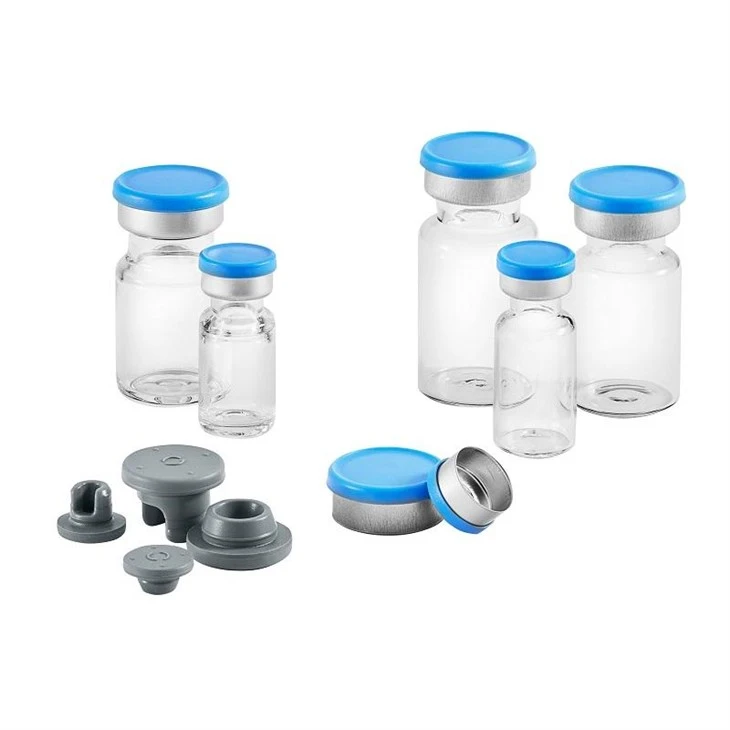
Small glass bottles, such as the Medical Vial and 15ml Glass Bottle, are widely used in various industries, including pharmaceuticals, cosmetics, and food. Their popularity stems from their inertness, transparency, and ability to preserve the quality of the contents. Glass is a non - porous material, which means it doesn't react with most substances, preventing contamination and maintaining the integrity of the product inside.
General Storage Considerations
Temperature
Temperature is a crucial factor in the storage of small glass bottles. Extreme temperatures can cause the glass to expand or contract, potentially leading to cracks or breakage. For most small glass bottles, a moderate temperature range of 10 - 30°C (50 - 86°F) is ideal. High temperatures can also affect the contents of the bottle. For example, in the pharmaceutical industry, some medications may degrade at elevated temperatures, reducing their efficacy. On the other hand, very low temperatures can cause the liquid inside the bottle to freeze, which may also damage the glass due to the expansion of the liquid during freezing.
Humidity
Humidity can also have an impact on small glass bottles. High humidity levels can lead to the formation of condensation on the surface of the bottle. If the bottle is not properly sealed, moisture can seep into the bottle and affect the contents. This is particularly important for products that are sensitive to moisture, such as powders or certain chemicals. In a humid environment, the labels on the bottles may also become damaged, making it difficult to identify the contents. A relative humidity level of 40 - 60% is generally recommended for storing small glass bottles.
Light
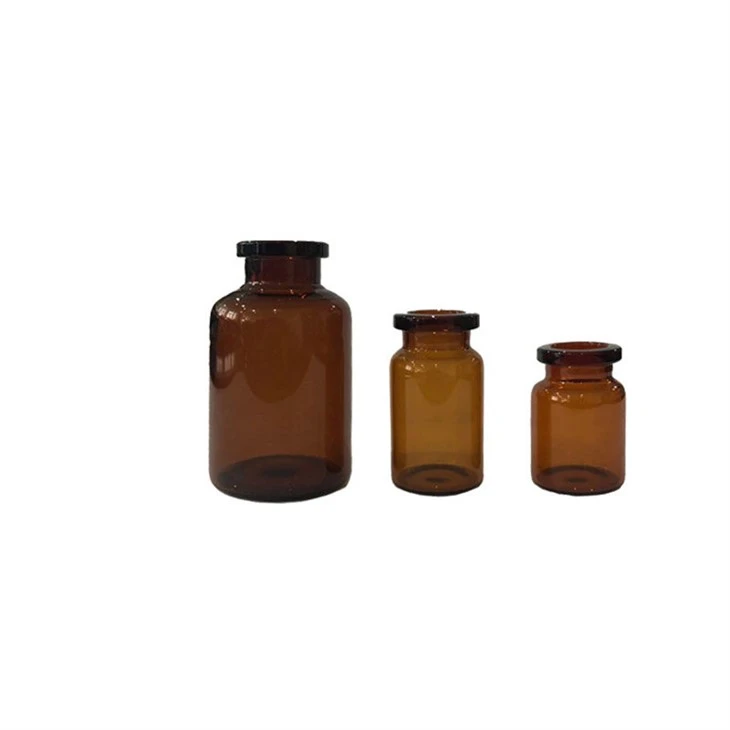
Light can be a problem for some products stored in small glass bottles. Ultraviolet (UV) light, in particular, can cause chemical reactions in the contents of the bottle. For example, some medications, vitamins, and essential oils are photosensitive and can degrade when exposed to UV light. To protect these products, amber or colored glass bottles are often used as they can block a significant amount of UV light. When storing small glass bottles, it's advisable to keep them away from direct sunlight and use opaque storage containers or cabinets if necessary.
Special Storage Conditions for Different Industries
Pharmaceutical Industry
In the pharmaceutical industry, small glass bottles, like the Medical Vial, often require strict storage conditions. These bottles may contain injectable medications, vaccines, or other sensitive pharmaceutical products. They are typically stored in a controlled environment with precise temperature and humidity levels. Some medications need to be stored in a refrigerator at a temperature between 2 - 8°C (36 - 46°F). Additionally, they are often stored in a dark place to protect them from light. Pharmaceutical companies also follow strict regulations regarding the storage and handling of these bottles to ensure the safety and efficacy of the medications.
Cosmetics Industry
The cosmetics industry also uses small glass bottles, such as 15ml Glass Bottle, to store products like perfumes, serums, and essential oils. These products can be sensitive to temperature, light, and air. Perfumes, for example, should be stored in a cool, dark place to prevent the evaporation of volatile compounds and the degradation of fragrance components. Essential oils are also sensitive to light and heat, and they may oxidize when exposed to air. Cosmetic manufacturers often use airtight glass bottles and recommend storing the products away from direct sunlight and heat sources.
Food Industry
In the food industry, small glass bottles are used to store various products, including sauces, jams, and oils. These products need to be stored in a clean and dry environment. While glass is a relatively stable material, the contents may still be affected by temperature and light. For example, olive oil can go rancid when exposed to high temperatures and light. Food products stored in small glass bottles should be kept in a cool pantry or refrigerator, depending on the product's requirements.
Our Role as a Small Glass Bottle Supplier
As a supplier of Small Glass Bottle, we understand the importance of providing bottles that can withstand different storage conditions. We use high - quality glass materials that are resistant to thermal shock and have good chemical stability. Our bottles are designed to be airtight and can effectively protect the contents from external factors.
We also offer a range of options to meet the specific needs of different industries. For example, we can provide amber or colored glass bottles for products that are sensitive to light. We can also customize the bottle design, including the size, shape, and closure type, to ensure that the bottles are suitable for the intended storage and use.
Contact for Procurement and Discussion
If you're in the market for high - quality small glass bottles, we'd love to hear from you. Whether you're in the pharmaceutical, cosmetics, or food industry, we have the expertise and products to meet your needs. Contact us to discuss your specific requirements, and let's work together to find the best solution for your small glass bottle needs.
References
- Pharmaceutical Packaging Manual. Edited by J. T. Carstensen.
- Cosmetics Science and Technology. Third Edition, Edited by Paul A. Elsner, Howard I. Maibach.
- Food Packaging: Principles and Practice. Second Edition, Edited by Tara H. McHugh, Lisa M. McNally.