

As a trusted Penicillin Bottle supplier, I've witnessed firsthand the crucial role these vials play in the medical and pharmaceutical industries. One of the most frequently discussed yet often misunderstood aspects of penicillin bottles is the smoothness of their inner surfaces. In this blog, we'll dive deep into what this smoothness means, why it matters, and how it impacts the overall performance of these essential containers.
Understanding the Concept of Inner Surface Smoothness
The smoothness of the inner surface of a penicillin bottle refers to the evenness and lack of irregularities on the interior wall of the vial. It is measured in terms of surface roughness, typically using units like micrometers (μm). A smoother surface has a lower roughness value, indicating fewer peaks and valleys on the glass surface.
To put it into perspective, imagine running your finger over a piece of sandpaper compared to a polished mirror. The sandpaper has a high surface roughness, with visible and palpable bumps and ridges, while the mirror is extremely smooth, with almost no discernible irregularities. Similarly, a penicillin bottle with a smooth inner surface will have a uniform and consistent finish, free from scratches, pits, or other imperfections.
Why Inner Surface Smoothness Matters
1. Product Integrity
The smoothness of the inner surface is directly related to the integrity of the product stored inside the penicillin bottle. Pharmaceutical products, especially injectables, are highly sensitive to contamination. A rough inner surface can provide a breeding ground for bacteria, fungi, and other microorganisms, increasing the risk of product spoilage and potential harm to patients.
For example, if a penicillin bottle has microscopic pits or scratches on its inner surface, these areas can trap particles of dust, debris, or even residual cleaning agents. Over time, these trapped substances can contaminate the medication, leading to reduced efficacy or adverse reactions in patients. A smooth inner surface, on the other hand, minimizes the risk of contamination by providing a clean and uniform environment for the product.
2. Drug Adsorption
Another important aspect is drug adsorption. Some medications have a tendency to adhere to the inner surface of the container, especially if the surface is rough. This can lead to a loss of drug potency over time, as a portion of the medication is adsorbed onto the glass rather than remaining in solution.
For instance, certain protein-based drugs are particularly prone to adsorption. If a penicillin bottle has a rough inner surface, these drugs may bind to the surface, reducing the amount of active ingredient available for administration. A smooth inner surface helps to minimize drug adsorption, ensuring that the full dose of the medication is delivered to the patient.
3. Ease of Cleaning and Sterilization
A smooth inner surface also makes it easier to clean and sterilize the penicillin bottle. During the manufacturing process, the bottles undergo rigorous cleaning and sterilization procedures to ensure they are free from contaminants. A rough surface can make it difficult to remove all traces of dirt, debris, and microorganisms, even with thorough cleaning.
In contrast, a smooth inner surface allows for more effective cleaning and sterilization, as there are fewer crevices and irregularities for contaminants to hide in. This helps to maintain the quality and safety of the penicillin bottles and the products they contain.
Measuring and Controlling Inner Surface Smoothness
Measuring the smoothness of the inner surface of a penicillin bottle requires specialized equipment and techniques. One common method is to use a profilometer, which measures the surface roughness by tracing a stylus across the surface and recording the height variations. Another technique is atomic force microscopy (AFM), which provides a high-resolution image of the surface at the nanoscale level.
As a supplier, we have strict quality control measures in place to ensure that the inner surface smoothness of our penicillin bottles meets the highest standards. We use state-of-the-art manufacturing processes and equipment to produce bottles with consistent and uniform inner surface smoothness. Additionally, we conduct regular inspections and testing to verify the quality of our products.
Impact on Different Types of Penicillin Bottles
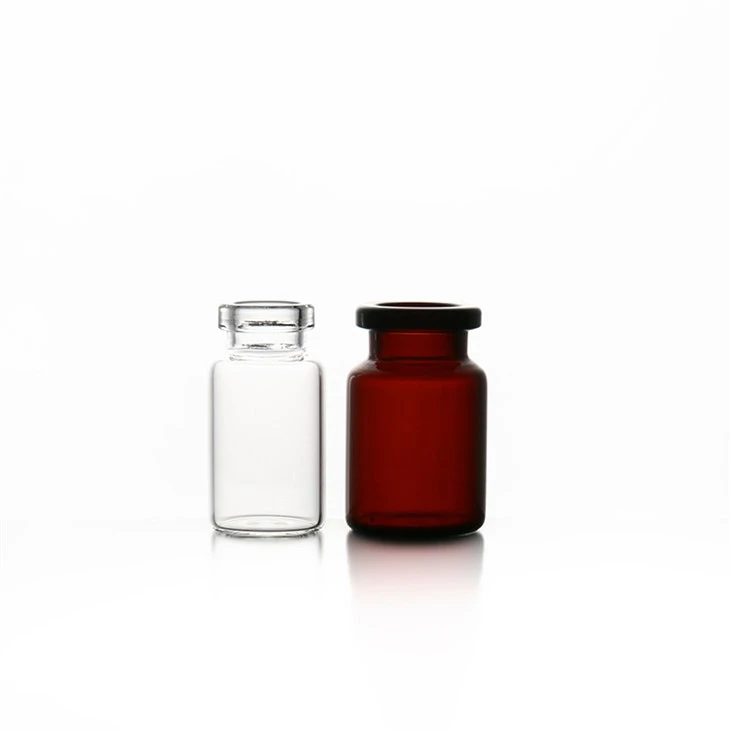
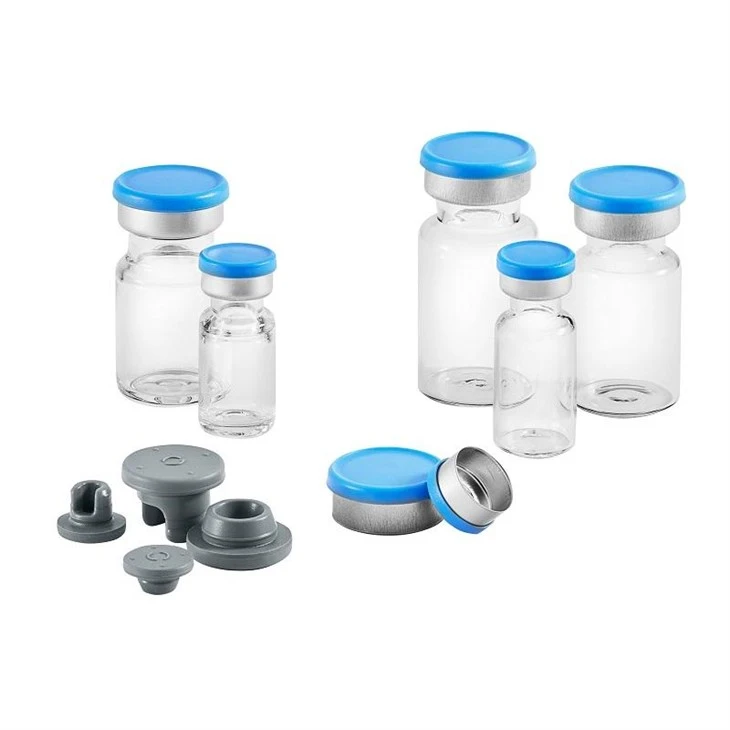
The importance of inner surface smoothness can vary depending on the type of penicillin bottle. For example, 15ml Glass Bottle are commonly used for storing small volumes of medications. These bottles require a high level of inner surface smoothness to ensure that the medication is not wasted due to adsorption or contamination.
Clear Glass Bottle are often preferred for their transparency, which allows for easy visual inspection of the contents. However, the smoothness of the inner surface is still crucial to maintain the integrity of the product and prevent contamination.
Medical Vial are used for a wide range of medical applications, including storing vaccines, antibiotics, and other injectable medications. The smoothness of the inner surface is essential to ensure the safety and efficacy of these medications, as any contamination or loss of potency can have serious consequences for patients.
Conclusion
In conclusion, the smoothness of the inner surface of a penicillin bottle is a critical factor that directly impacts the quality, safety, and efficacy of the products stored inside. As a Penicillin Bottle supplier, we understand the importance of providing our customers with high-quality bottles that meet the strictest standards of inner surface smoothness.
If you're in the market for penicillin bottles or other types of medical vials, we invite you to contact us to discuss your specific requirements. Our team of experts is ready to assist you in finding the right solution for your needs. Whether you're looking for 15ml Glass Bottle, Clear Glass Bottle, or Medical Vial, we have the expertise and experience to provide you with the best products at competitive prices.
References
- ASTM International. (20XX). Standard test methods for surface roughness.
- Pharmaceutical Packaging Science. (20XX). Inner surface requirements for pharmaceutical glass containers.
- World Health Organization. (20XX). Guidelines for the quality control of pharmaceutical packaging materials.