

Do some medicine bottles require refrigeration?
As a supplier of medicine bottles, I often encounter questions from customers about the storage requirements of medicine bottles. One of the most common queries is whether some medicine bottles require refrigeration. In this blog post, I will delve into this topic, exploring the reasons behind refrigeration requirements, the types of medications that need it, and how our medicine bottles are designed to meet these specific needs.
Why Some Medicine Bottles Need Refrigeration
The primary reason for refrigerating certain medications is to maintain their stability and efficacy. Many drugs are sensitive to temperature, light, and humidity. When exposed to unfavorable conditions, the chemical structure of these medications can change, leading to a decrease in their potency or even the formation of harmful by - products.
Refrigeration helps to slow down the chemical reactions that occur within the medication. For example, proteins and peptides, which are commonly used in biologic drugs, are highly susceptible to degradation at room temperature. By storing them in a cool environment, we can extend their shelf - life and ensure that they remain effective until the expiration date.
Another factor is the prevention of microbial growth. Some liquid medications, especially those that are aqueous - based, can serve as a breeding ground for bacteria, fungi, and other microorganisms. Refrigeration inhibits the growth of these pathogens, reducing the risk of contamination and ensuring the safety of the medication.
Types of Medications That Require Refrigeration
There are several categories of medications that typically need to be stored in the refrigerator:
- Insulin: Insulin is a hormone used to manage diabetes. It is a protein - based medication that is very sensitive to temperature. Exposure to high temperatures can cause insulin to denature, losing its ability to regulate blood sugar levels effectively. Patients are usually advised to store unopened insulin vials in the refrigerator until they are ready to use.
- Vaccines: Vaccines are biological products that contain weakened or inactivated pathogens. They need to be stored at a specific temperature range to maintain their immunogenicity. For example, the measles, mumps, and rubella (MMR) vaccine must be kept refrigerated to ensure that it can stimulate a proper immune response in the body.
- Some Antibiotics: Certain liquid antibiotics, such as amoxicillin suspension, may require refrigeration. This helps to preserve their antibacterial activity and prevent the growth of bacteria in the solution.
- Biologic Drugs: As mentioned earlier, biologic drugs, which are derived from living organisms, are often temperature - sensitive. Examples include monoclonal antibodies used in the treatment of cancer, autoimmune diseases, and other complex conditions. These medications need to be stored at low temperatures to maintain their therapeutic effect.
Our Medicine Bottles for Refrigerated Medications
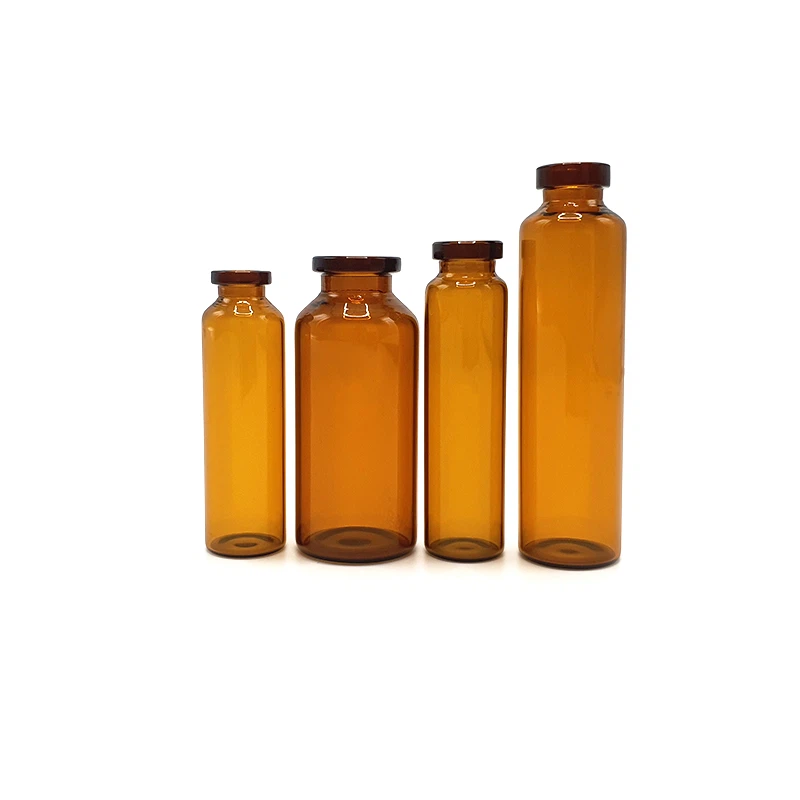
At our company, we understand the importance of providing medicine bottles that can meet the specific storage requirements of refrigerated medications. We offer a wide range of products, including Glass Injection Vials, Glass Vial, and 1 Ml Vials.
Our glass bottles are made from high - quality pharmaceutical - grade glass. Glass is an ideal material for storing refrigerated medications because it is inert, meaning it does not react with the medication inside. This ensures that the chemical composition of the drug remains stable over time.
In addition, our glass bottles are designed to provide excellent protection against light. Many medications are also sensitive to light, and exposure to sunlight or artificial light can cause degradation. Our bottles have a dark - colored coating or are made from amber glass, which blocks out harmful UV rays and helps to preserve the integrity of the medication.
We also pay close attention to the sealing properties of our medicine bottles. A tight seal is crucial to prevent air and moisture from entering the bottle, which can affect the stability of the medication. Our bottles are equipped with high - quality closures, such as rubber stoppers and aluminum seals, that provide a reliable barrier against external elements.
Handling and Storage Considerations
When using our medicine bottles for refrigerated medications, it is important to follow some handling and storage guidelines. First, always make sure to store the bottles in the refrigerator at the recommended temperature range. Most medications that require refrigeration should be kept between 2°C and 8°C.
Do not freeze the medicine bottles unless specifically instructed to do so. Freezing can cause the medication to expand, potentially cracking the bottle or altering the properties of the drug.
When removing the bottle from the refrigerator, allow it to reach room temperature gradually. Sudden temperature changes can also affect the stability of the medication.

Conclusion
In conclusion, some medicine bottles do require refrigeration to maintain the stability, efficacy, and safety of the medications they contain. As a medicine bottle supplier, we are committed to providing high - quality products that can meet the specific needs of refrigerated medications. Our glass bottles, including Glass Injection Vials, Glass Vial, and 1 Ml Vials, are designed to offer excellent protection against temperature, light, and moisture.
If you are in the pharmaceutical industry and are looking for reliable medicine bottles for your refrigerated medications, we would be more than happy to discuss your requirements. Contact us today to start a conversation about your procurement needs. We are confident that our products and services will meet your expectations.
References
- American Pharmacists Association. (2023). Storage and Handling of Medications.
- World Health Organization. (2022). Guidelines for the Storage and Transport of Vaccines.
- Pharmaceutical Research and Manufacturers of America. (2023). Best Practices for Temperature - Sensitive Medications.