

Surface tension is a fascinating physical property that plays a crucial role in various natural and industrial phenomena. When it comes to a blue glass bottle, understanding its surface tension can provide valuable insights into its manufacturing, functionality, and potential applications. As a leading supplier of blue glass bottles, I have witnessed firsthand the importance of this property and its impact on the quality and performance of our products.
Understanding Surface Tension
Surface tension is defined as the tendency of a liquid surface to contract and minimize its surface area. It is caused by the cohesive forces between the molecules of the liquid. At the surface of a liquid, the molecules experience an imbalance of forces. The molecules in the interior of the liquid are surrounded by other molecules on all sides, resulting in a net force of zero. However, the molecules at the surface have fewer neighboring molecules above them, leading to a net inward force. This inward force causes the surface to behave like a stretched elastic membrane, giving rise to surface tension.
The surface tension of a liquid can be measured in units of force per unit length, typically in newtons per meter (N/m). It depends on several factors, including the nature of the liquid, temperature, and the presence of impurities or surfactants. For example, water has a relatively high surface tension of about 0.072 N/m at 20°C, which allows insects like water striders to walk on its surface.
Surface Tension of Glass
Glass is a non - crystalline solid that is typically made from silica (SiO₂) along with other additives. The surface of glass has its own surface properties, and while it is not a liquid, the concept of surface energy is related to the idea of surface tension in liquids. Glass surfaces have a certain surface energy, which is a measure of the excess energy associated with the surface compared to the bulk material.
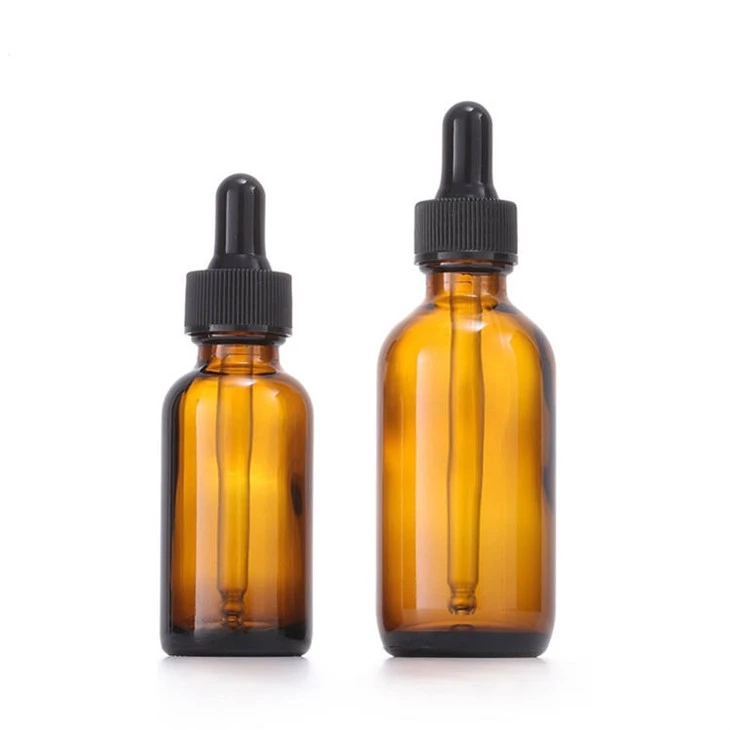
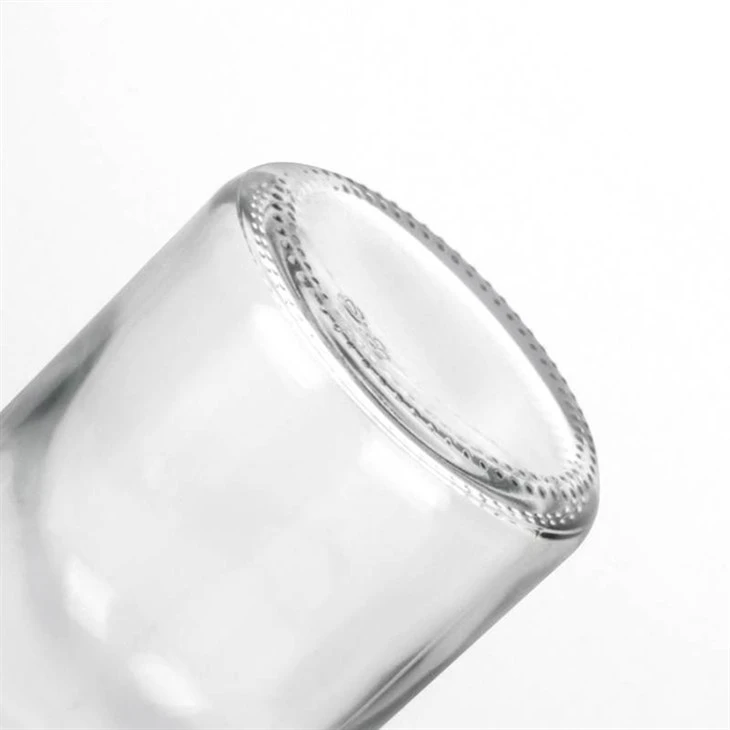
The surface energy of glass is influenced by its composition, surface roughness, and the presence of surface treatments. For a blue glass bottle, the blue color is usually due to the addition of specific metal oxides during the glass - making process. These additives can potentially affect the surface energy of the glass.
The surface energy of glass is typically in the range of 0.2 - 0.5 J/m². To put this in perspective, it is much higher than the surface tension of most common liquids. This high surface energy means that glass has a strong tendency to interact with other substances. When a liquid comes into contact with a glass surface, the balance between the cohesive forces within the liquid and the adhesive forces between the liquid and the glass determines whether the liquid will spread out or form droplets on the glass surface.
Importance of Surface Tension in Blue Glass Bottles
Manufacturing
In the manufacturing process of blue glass bottles, surface tension plays a vital role. When the molten glass is being shaped into a bottle, the surface tension helps to maintain the smoothness and integrity of the glass surface. It allows the glass to flow and form a continuous, uniform shape without excessive dripping or irregularities. The additives used to create the blue color need to be well - dispersed in the molten glass, and the surface tension of the glass helps in this dispersion process.
Packaging
For packaging applications, the surface tension of the blue glass bottle affects how well it can hold liquids. If a liquid has a low surface tension and the glass surface has a high surface energy, the liquid is more likely to spread out evenly on the inner surface of the bottle. This can be beneficial for products that need to coat the inner surface of the bottle, such as some types of medications or cosmetics. On the other hand, if the surface tension of the liquid is too high compared to the adhesive forces between the liquid and the glass, the liquid may form droplets and not spread properly.
Cleaning and Sterilization
During the cleaning and sterilization processes, the surface tension of the blue glass bottle is important. Cleaning agents need to be able to wet the surface of the glass effectively. A cleaning solution with an appropriate surface tension can spread across the glass surface, removing dirt, debris, and microorganisms. Similarly, in sterilization processes, the ability of the sterilizing agents to come into contact with the entire surface of the bottle is influenced by the surface tension of both the agent and the glass.
Applications of Blue Glass Bottles and Surface Tension
Pharmaceutical Industry
Blue glass bottles are commonly used in the pharmaceutical industry, especially for storing light - sensitive medications. The surface tension of the glass affects how well the medication adheres to the bottle wall and how easily it can be dispensed. Medical Vial applications require precise control of surface properties to ensure accurate dosing and prevent contamination. The high surface energy of the blue glass helps in maintaining a clean and stable environment for the medication.
Cosmetics Industry
In the cosmetics industry, blue glass bottles are popular for their aesthetic appeal and ability to protect the contents from light. The surface tension of the glass impacts the way cosmetic products like lotions, perfumes, and serums interact with the bottle. For example, a perfume with a certain surface tension needs to be compatible with the glass surface to prevent evaporation and maintain its fragrance over time. 60 Ml Glass Bottles are often used for these types of products, and the surface properties are carefully considered during the packaging design.
Chemical Industry
In the chemical industry, blue glass bottles can be used to store various chemicals. The surface tension of the glass is crucial in preventing chemical reactions between the glass and the stored chemicals. A well - understood surface tension ensures that the chemical remains stable and the glass bottle does not degrade over time. Clear Medicine Bottle designs also benefit from knowledge of surface tension to ensure the safe storage of chemicals.
Measuring and Controlling Surface Tension in Blue Glass Bottles
Measuring the surface tension of a blue glass bottle can be a complex task. One common method is to use a tensiometer, which measures the force required to separate a liquid - solid interface. However, since glass is a solid, the measurement is often related to the surface energy rather than a direct surface tension measurement.
Controlling the surface tension of blue glass bottles can be achieved through various means. Surface treatments such as chemical etching or coating can modify the surface energy of the glass. For example, a hydrophobic coating can reduce the surface energy of the glass, making it less likely to interact with water - based liquids. In contrast, a hydrophilic coating can increase the surface energy, enhancing the wetting properties of the glass.
Conclusion
The surface tension, or more accurately, the surface energy of a blue glass bottle is a critical property that affects its manufacturing, packaging, and applications. As a supplier of blue glass bottles, we understand the importance of this property and strive to produce high - quality bottles with consistent surface properties. Whether it is for the pharmaceutical, cosmetics, or chemical industries, our blue glass bottles are designed to meet the specific requirements of each application.
If you are interested in purchasing our blue glass bottles for your business, we invite you to contact us for a detailed discussion. Our team of experts is ready to assist you in selecting the right bottle for your needs and to answer any questions you may have regarding the surface properties and other aspects of our products.
References
- Adamson, A. W., & Gast, A. P. (1997). Physical Chemistry of Surfaces. John Wiley & Sons.
- Schroeder, D. V. (2000). An Introduction to Thermal Physics. Addison - Wesley.
- Kendall, K. (2001). Surface and Interfacial Forces. Oxford University Press.